





















Nice lounge you have there — pay up or else
Plus, Trump unconvinced on ending U.S. aid to Israel


 Add JewishInsider on Google
👋 Good Tuesday morning!
In today’s Daily Kickoff, we report on the differing positions of President Donald Trump and Israeli Prime Minister Benjamin Netanyahu over scaling back U.S. military aid to Israel, and cover Kennedy Center President Ric Grenell’s suggestion to Jewish donors that they “act quickly” to sponsor and renovate the center’s Israeli Lounge before another entity steps in. We report on Jewish communal concerns regarding California state Sen. Scott Wiener’s about-face on Israel’s actions in Gaza, and report on an upcoming fundraiser being held by the “Pod Save America” hosts for an anti-Israel Senate candidate in Michigan. Also in today’s Daily Kickoff: former Rep. Mary Peltola, Dina Powell McCormick and David Cunio.
Today’s Daily Kickoff was curated by Jewish Insider Executive Editor Melissa Weiss and Israel Editor Tamara Zieve, with assists from Danielle Cohen-Kanik and Marc Rod. Have a tip? Email us here.
What We’re Watching
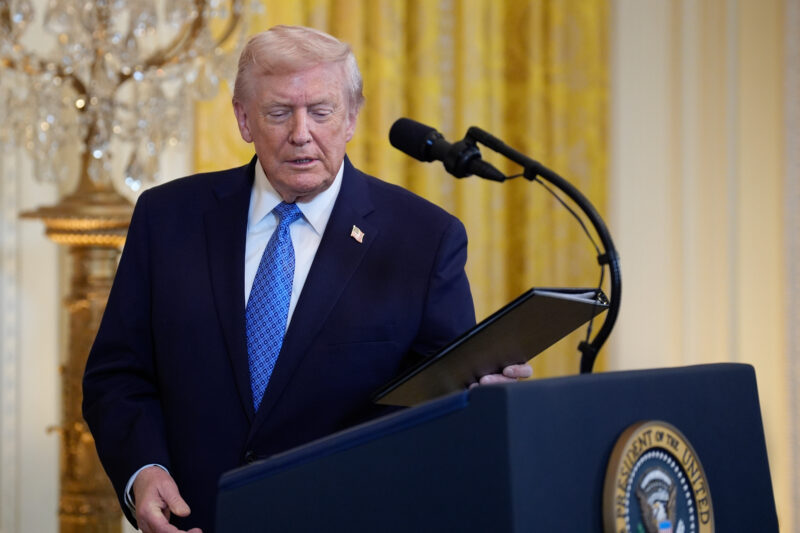
- President Donald Trump will meet today with Secretary of State Marco Rubio, Defense Secretary Pete Hegseth and Chairman of the Joint Chiefs of Staff Gen. Dan Caine to discuss options for dealing with Iran.
- Today’s meeting comes as the president weighs potential military action in Iran in response to the deadly crackdowns on protesters around the country. Iran had over the weekend communicated to the White House that it was willing to engage in talks over its nuclear program, for which Trump said “a meeting is being set up,” but potential U.S. strikes could come regardless of that meeting.
- Meanwhile, Iran is continuing to jam Elon Musk’s Starlink, which was activated to restore internet service following a decision by Tehran to cut off internet as well as international phone services.
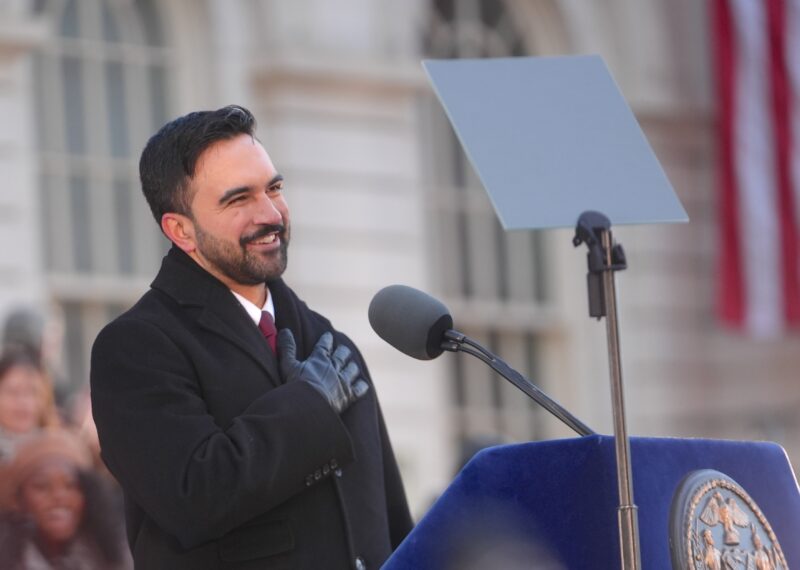
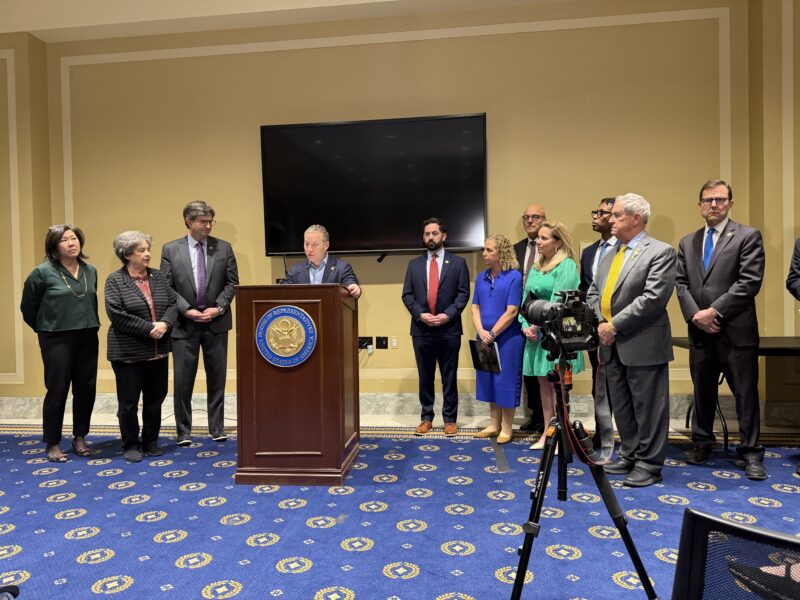
- In New York, Gov. Kathy Hochul will deliver her annual State of the State address at 1:30 p.m. ET. Among the issues she plans to cover, Hochul is expected to announce a proposal to create a 25-foot buffer zone around houses of worship and health care facilities.
What You Should Know
A QUICK WORD WITH JI’S LAHAV HARKOV
The mass protests across Iran erupted just over two weeks ago — the same day that Israeli Prime Minister Benjamin Netanyahu flew to Palm Beach, Fla., to meet with President Donald Trump.
The big question as Netanyahu and Trump met was whether the president would give Israel a green light to strike Iran as it reconstituted its ballistic missile program at a pace that raised major concerns in Jerusalem. Trump’s response was a resounding yes, adding that if Iran would start rebuilding its nuclear program, the answer would be yes and “fast.”
But as the demonstrations in Iran grew and the regime’s response grew more and more violent – Iran International reported 12,000 protesters have been killed as of Tuesday morning, while an Iranian official put the death toll at 2,000 – international talk about Israeli airstrikes subsided to near-silence.
Asked how Israel’s calculation about striking Iranian missile or nuclear sites may have changed in the last two weeks, former Israeli Ambassador to the U.S. Michael Oren told Jewish Insider’s Lahav Harkov on the “Misgav Mideast Horizons Podcast”: “With the United States threatening to intervene, what would we have to gain from this? Other than providing a pretext for the Iranians to strike back at us. I think we’re operating responsibly, prudently.”
Still, Israelis remain jittery about a second round of war with Iran, to the extent that the IDF’s spokesperson, Brig.-Gen. Effie Defrin, released a statement on Monday evening warning that “in recent days, many rumors have circulated in light of the situation in Iran. …The IDF is prepared defensively and remains on alert for surprise scenarios if required. The protests in Iran are a domestic matter. …We will provide updates if there are any changes. I emphasize: Do not lend a hand to rumors.”
SCOOP
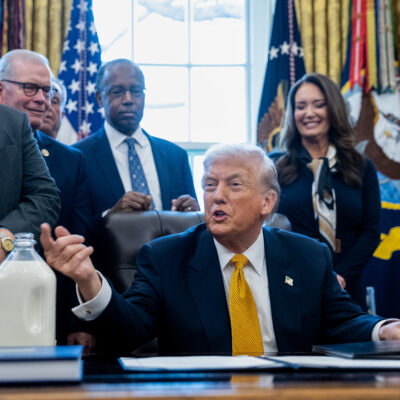
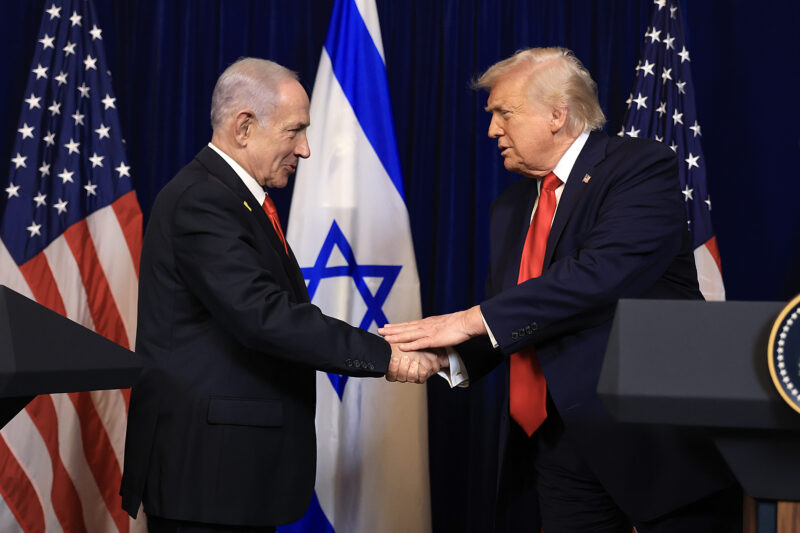
Trump, Netanyahu at odds over Israeli plans to end reliance on U.S. military aid
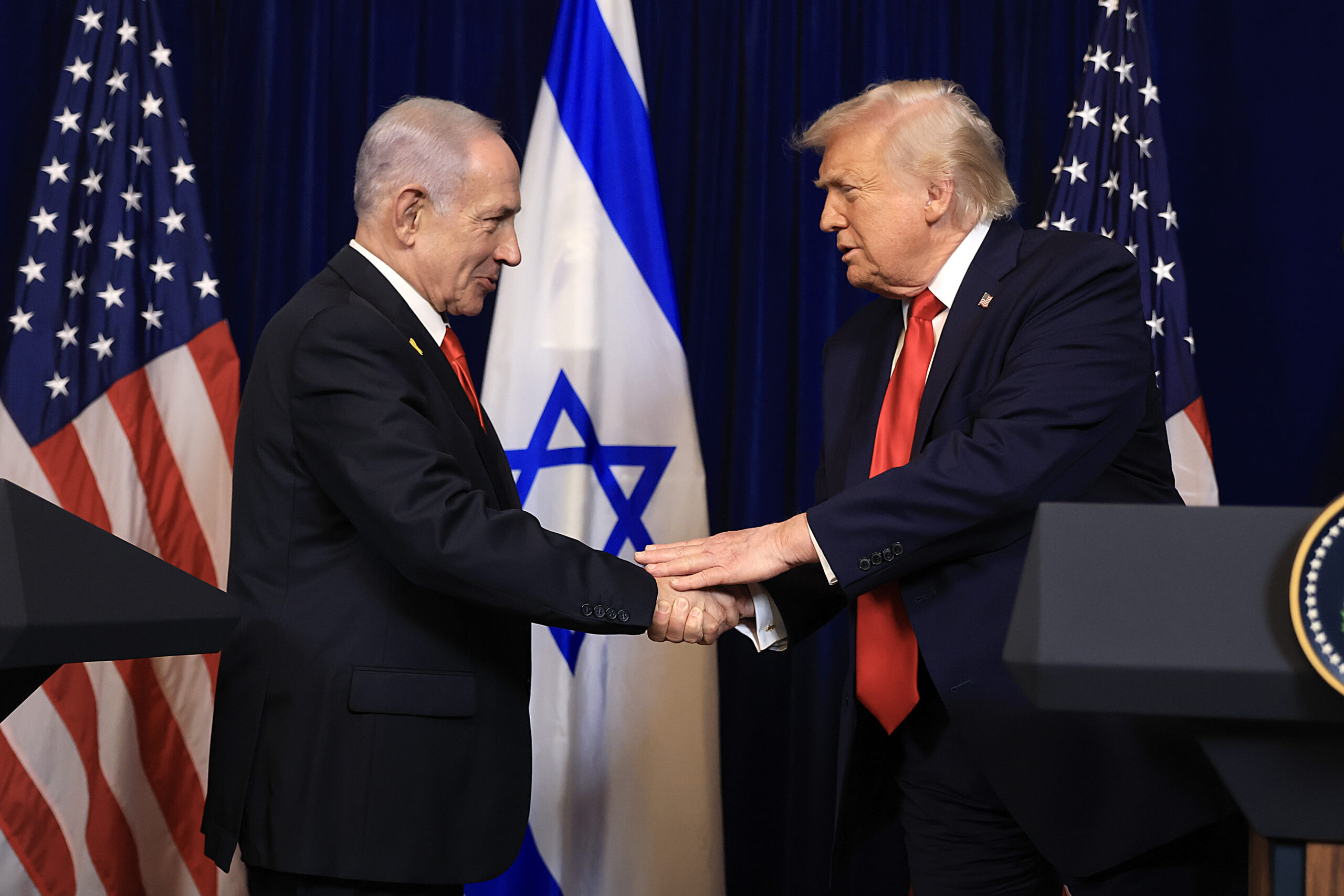
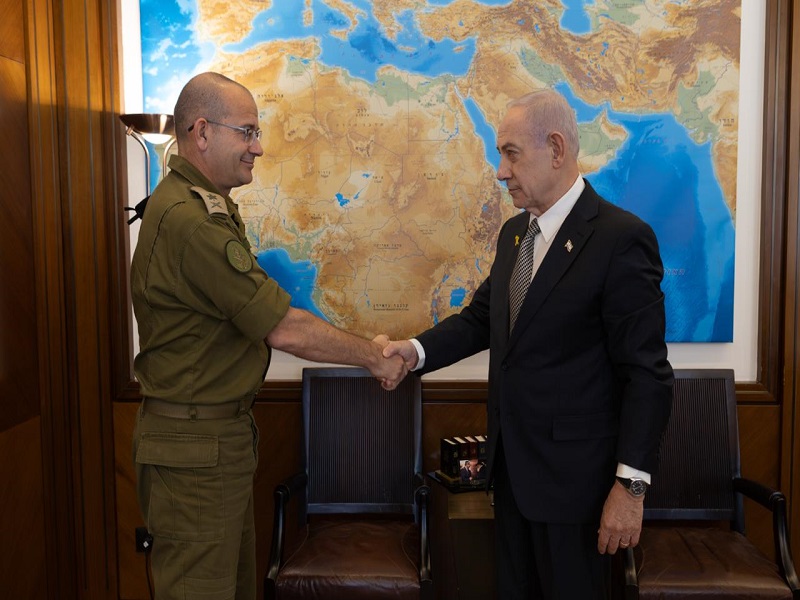
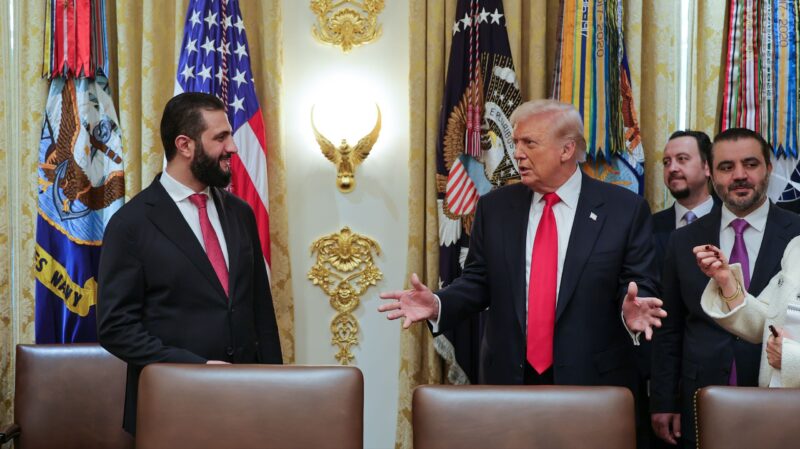
When Israeli Prime Minister Benjamin Netanyahu proposed winding down U.S. military aid late last year, President Donald Trump was bewildered and did not immediately support the move, two sources familiar with the matter told Jewish Insider. Since then, Netanyahu has announced his intentions to move ahead with the plan anyway. Netanyahu pitched the president on his proposal while visiting Trump at his Mar-a-Lago estate in Palm Beach, Fla., in late December, the Israeli prime minister told The Economist in an interview released on Friday, JI’s Emily Jacobs, Danielle Cohen-Kanik and Lahav Harkov report.
Difference in perspective: The idea was spearheaded by Ron Dermer, Israel’s former minister of strategic affairs and a top Netanyahu advisor, according to two sources familiar with the matter. Dermer has defended the idea to U.S. lawmakers and other officials, arguing that such a move would improve the Jewish state’s embattled reputation in the United States, a claim that Netanyahu repeated to Trump. Since Dermer left government late last year, Israeli Ambassador to the U.S. Yechiel Leiter has become the point person on the matter, a source close to the prime minister told JI. Trump could not understand why Netanyahu would propose ending American military aid to Israel and disagrees that the move would improve U.S. public opinion on the Jewish state, one source familiar with the president’s perspective told JI. He is skeptical that the plan would benefit either country, but is also not dismissing it out of hand, they said.
FUND IT OR LOSE IT
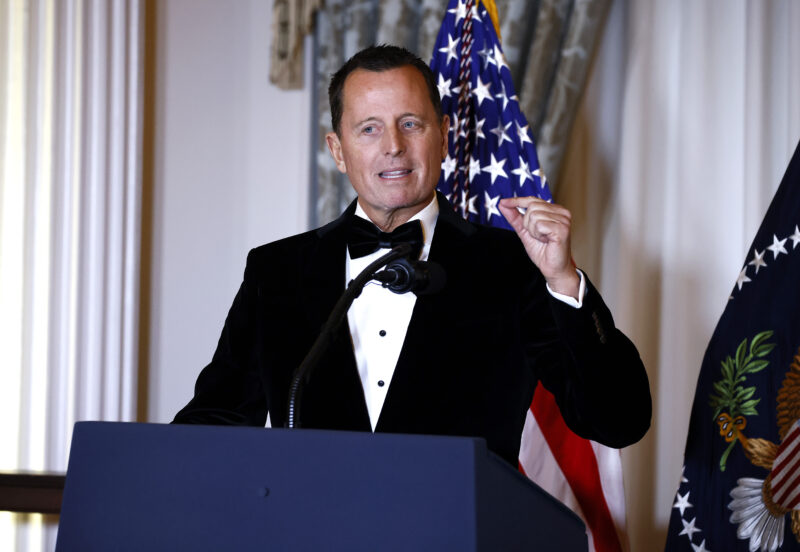
Kennedy Center President Ric Grenell to Jewish donors: ‘Act quickly’ to fund theater’s Israeli Lounge or risk losing it
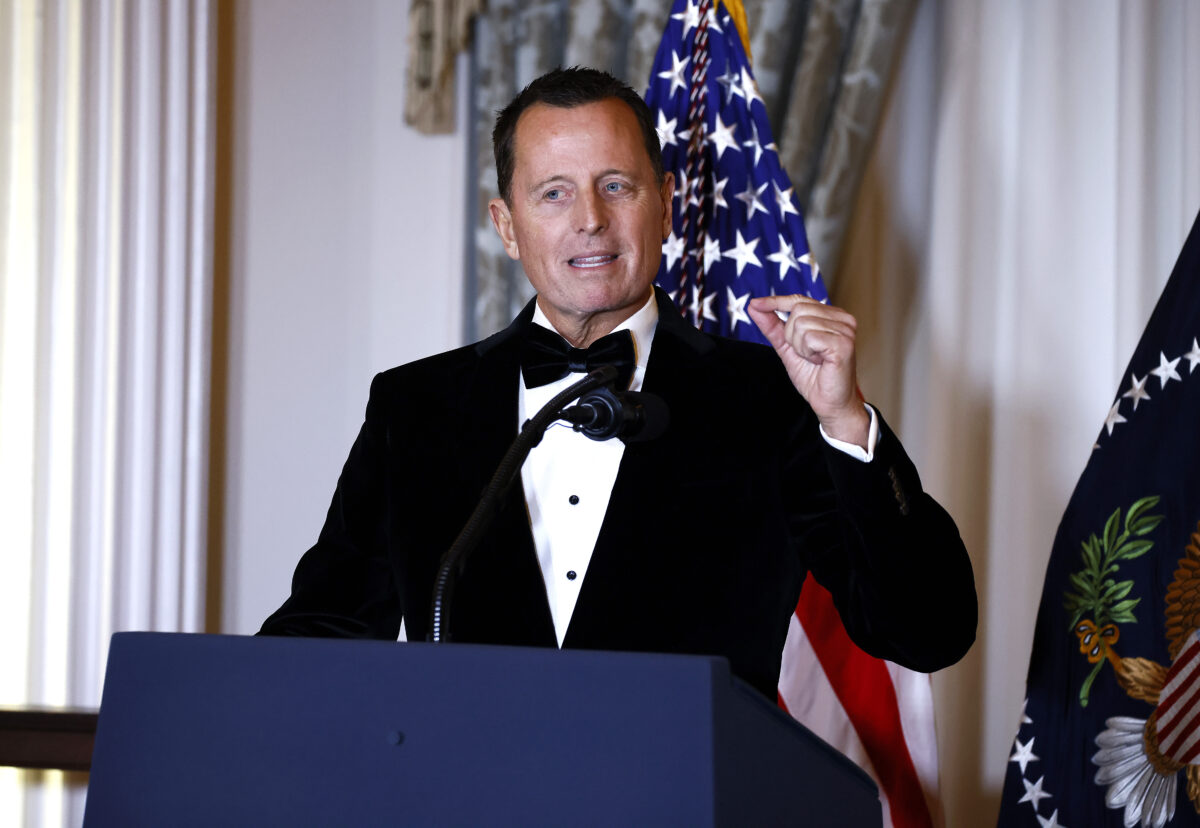
When the Kennedy Center unveiled the Israeli Lounge in 1971, Sen. Edward M. Kennedy (D-MA) offered soaring remarks about the importance of the small reception room, which had been designed and constructed at the behest of Israeli Prime Minister Golda Meir as a gift to the United States. But for months now, the Kennedy Center has been warning that the lounge, which is open to all patrons of the Kennedy Center, is at risk of ceasing to exist in its current form, unless donors step forward to sponsor it and pay for all renovation costs, two sources confirmed to Jewish Insider’s Gabby Deutch. Staff of the Kennedy Center are actively soliciting donations from Jewish philanthropists to update the lounge, which has been unchanged for more than five decades.
President’s plea: “I’m here to spread the word that if we want to keep it the Israel Lounge, we’ve got to act quickly, and we’re on the hunt. So please spread the word,” Kennedy Center President Richard Grenell said in October in previously unreported remarks at a reception in the lounge, which at the time was the venue for an Oct. 7-themed exhibit by Israeli artist Marc Provisor. “It certainly would be a shame if we lost this room to a corporation or an individual and it was no longer the lounge.”
On the stage: “October 7: In Their Own Words,” a play offering an unvarnished look at the atrocities perpetrated by Hamas in Israel in 2023, told through the testimonies of Oct. 7 survivors, will be performed at the Kennedy Center for one night this month, on Jan. 28. Jewish Insider’s Gabby Deutch spoke to Phelim McAleer and Ann McElhinney, the Irish husband-and-wife playwright team behind the show.
ABOUT-FACE
Scott Wiener’s rapid turn against Israel is ‘incorrect and lacks moral clarity,’ Jewish groups say
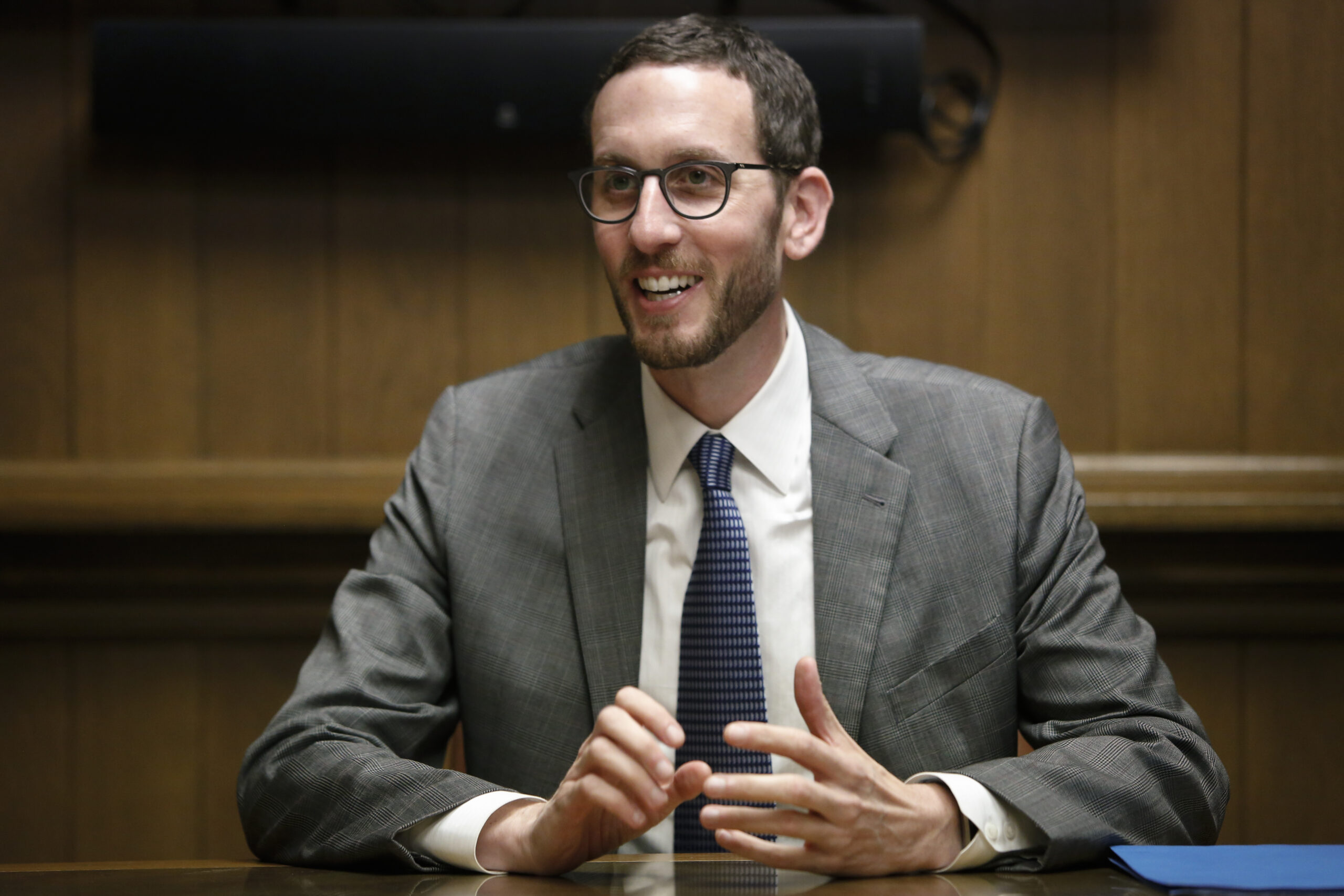
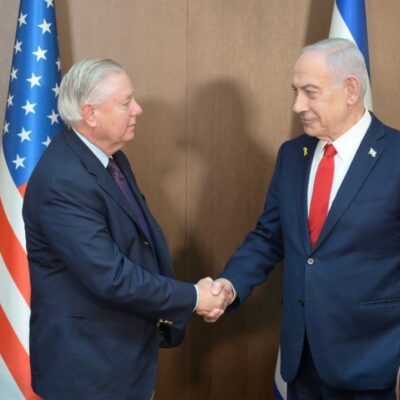
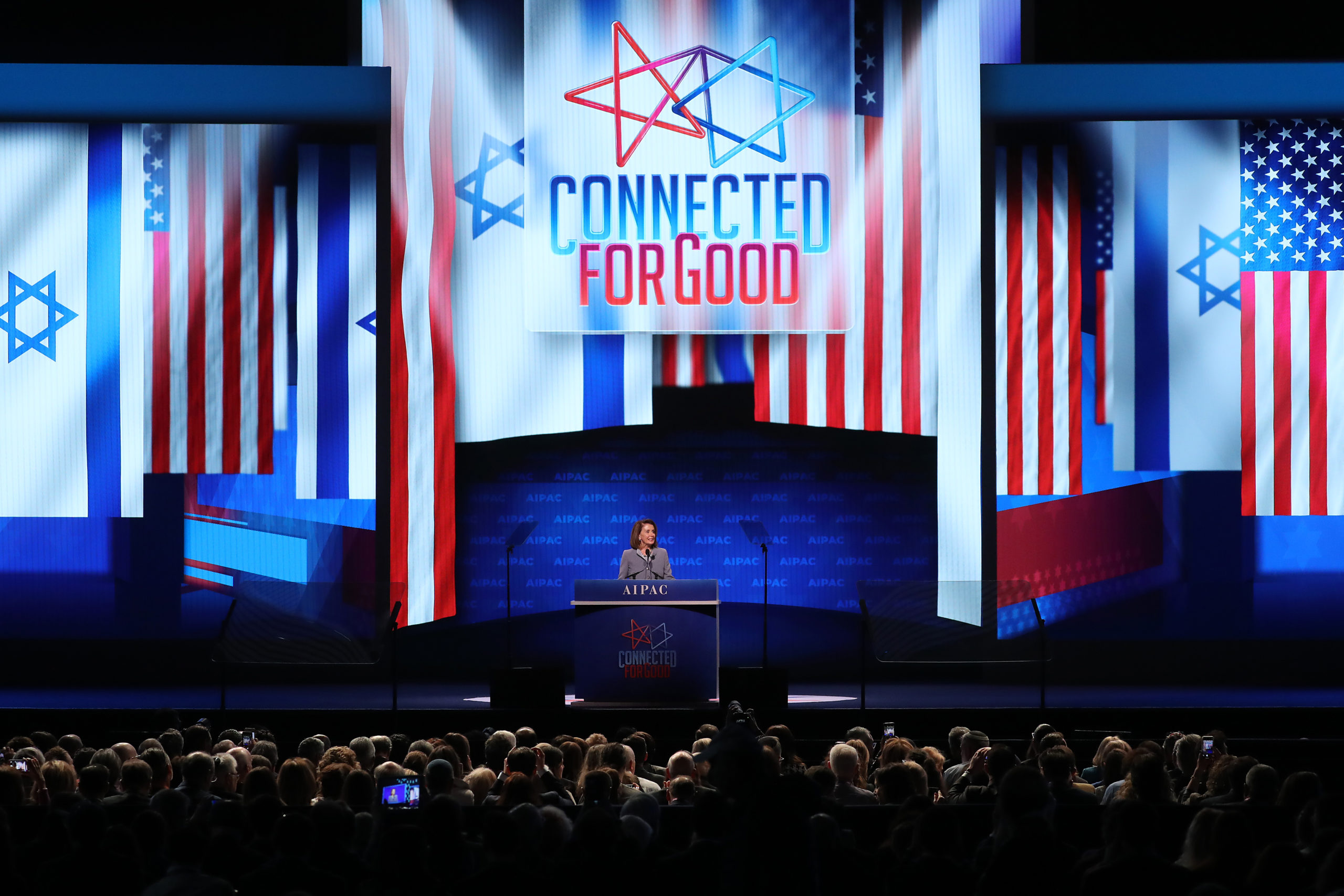
California state Sen. Scott Wiener, a Democrat running in a crowded primary to replace retiring Rep. Nancy Pelosi (D-CA), has spent the last week navigating the political fallout of a Gaza-related exchange at a candidate forum that lasted no more than 30 seconds but has since gone viral in progressive Bay Area political circles. After declining to answer at the forum whether he believed Israel is committing genocide in Gaza, Wiener released a video four days later, on Sunday, explaining that he has changed his position and now does believe Israel’s actions amount to genocide, Jewish Insider’s Gabby Deutch reports.
U-turn: It was a shocking about-face for one of the most prominent Jewish lawmakers in the state, a progressive who has sharply criticized Israel’s actions in Gaza but who has reiterated his support for the U.S.-Israel relationship as the co-chair of the California Legislative Jewish Caucus. Hetook a delegation of lawmakers to visit Israel in 2024. Several California Jewish organizations, including the Bay Area JCRC and JPAC, a lobbying organization that represents Jewish communities across the state, released a joint statement slamming Wiener’s rhetorical shift. “Senator Wiener’s newly stated position is both incorrect and lacks moral clarity,” the organizations said. “The diminishment and weaponization of the term ‘genocide’ in this context has been deeply painful for our community, given our own historical experiences with the Holocaust.”
SUSPECT STATEMENT
Suspect in Mississippi arson confesses to targeting synagogue because of ‘Jewish ties’
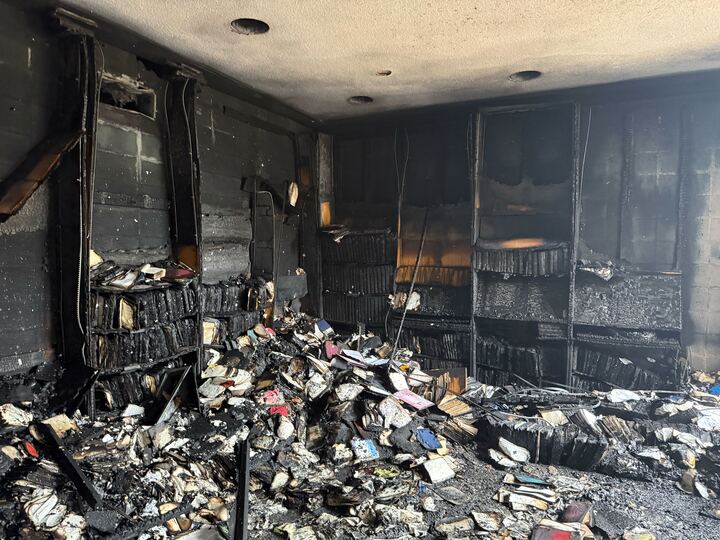
The suspect in an arson attack that destroyed Mississippi’s largest synagogue early Saturday morning confessed to targeting the building because of its “Jewish ties,” the FBI announced on Monday, Jewish Insider’s Haley Cohen reports.
What he said: In an affidavit filed in U.S. District Court in Mississippi more than 48 hours after the attack, the FBI said the suspect, Stephen Spencer Pittman, 19, admitted to starting the blaze at Beth Israel Congregation in Jackson, Miss., due to “the building’s Jewish ties.” In an interview with the Jackson Fire Department, he referred to the institution as the “synagogue of Satan,” a historically antisemitic phrase that has been re-popularized by far-right commentator Candace Owens.
ON THE TRAIL
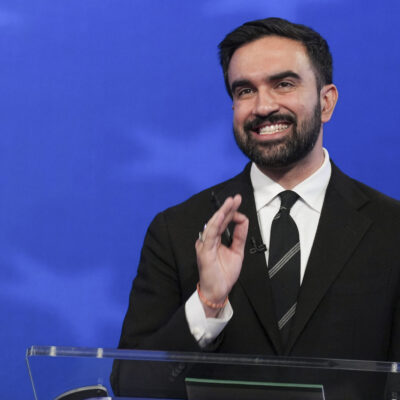
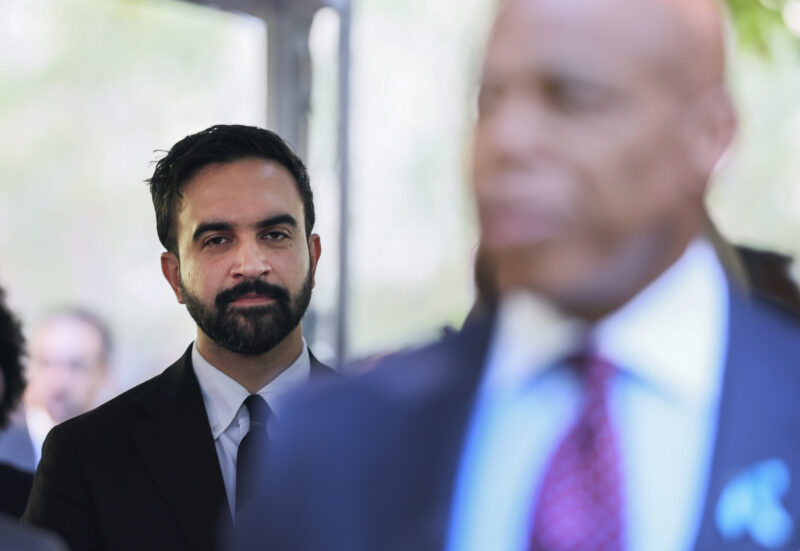
‘Pod Save America’ hosts to hold fundraiser for Michigan Senate candidate Abdul El-Sayed
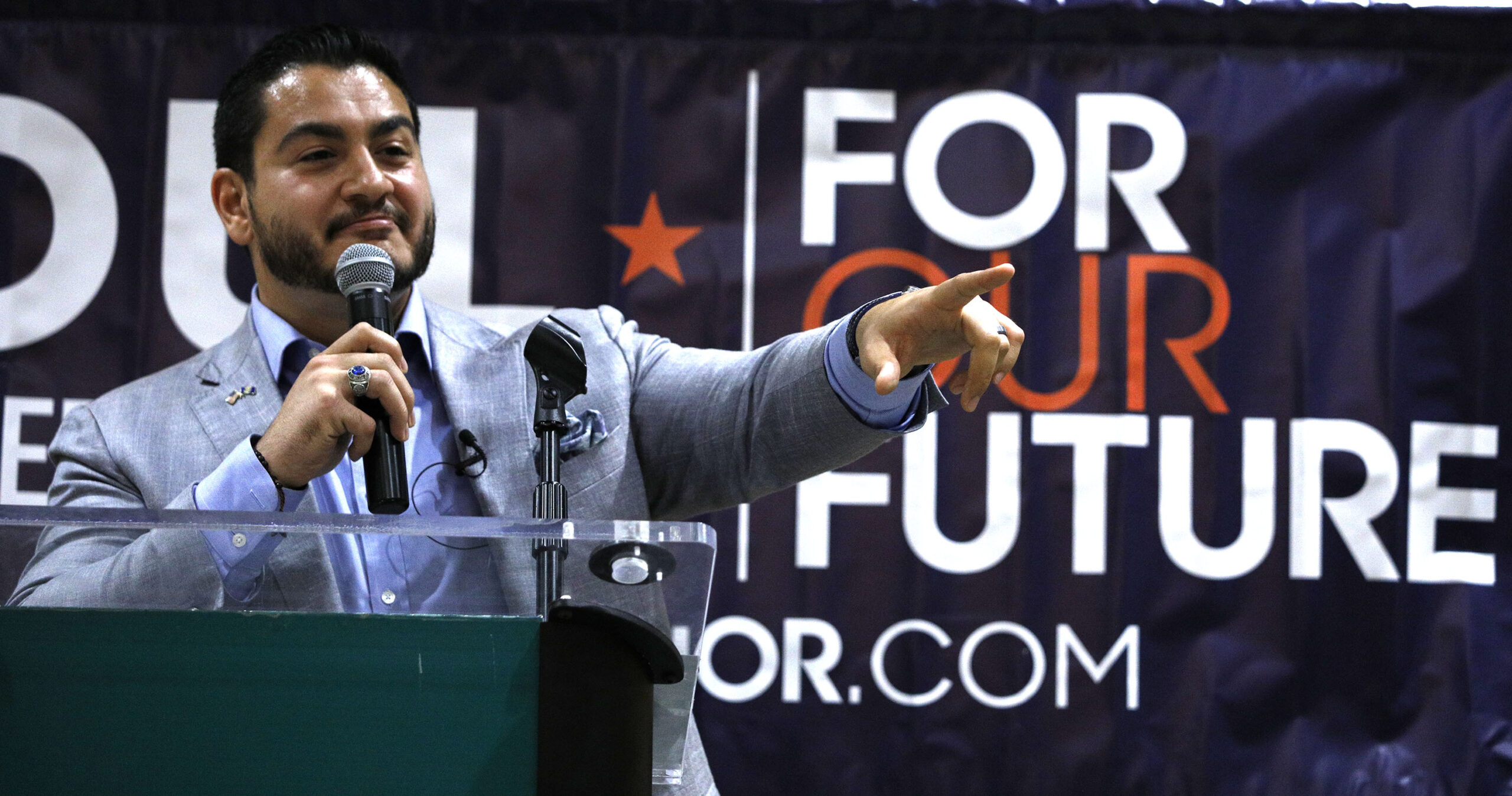
Former Obama administration officials and Crooked Media hosts Jon Favreau, Jon Lovett and Ben Rhodes are hosting a fundraiser in Hollywood, Calif., on Thursday for Abdul El-Sayed, a far-left, anti-Israel candidate running in the Democratic Senate primary in Michigan, Jewish Insider’s Marc Rod reports.
The latest: El-Sayed, a physician and former director of the Wayne County Department of Health, has made his criticisms of Israel a centerpiece of his campaign, criticizing other candidates in the race as being insufficiently hostile to the Jewish state. Favreau, Lovett and Rhodes, on their “Pod Save America” and “Pod Save the World” podcasts, have also emerged as a vocal force against Israel and AIPAC in the Democratic Party, and have boosted prominent anti-Israel candidates in other hot-button primaries, including Maine’s Graham Platner.
U.S. OVERSIGHT
2026 State Dept. funding bill leverages U.S. funding to combat antisemitism, anti-Israel bias in U.N.
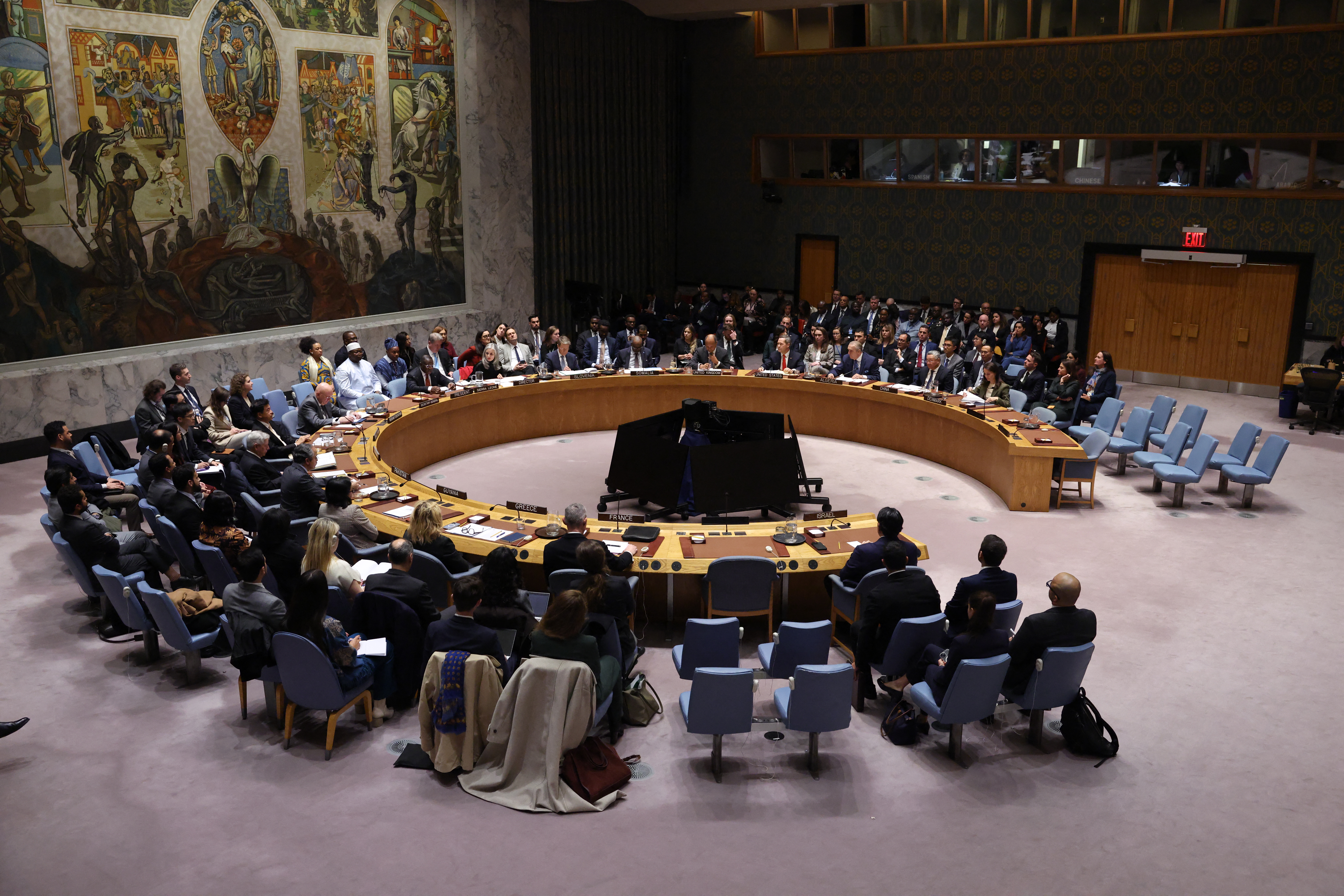
The finalized 2026 funding package for the State Department, released Sunday, leverages a portion of the U.S.’ contributions to the United Nations and its agencies to push for changes in what the U.S. has said is the institution’s anti-Israel bias and antisemitism, Jewish Insider’s Marc Rod reports.
What it does: The bill withholds 10% of the U.S. contribution for the U.N. or any U.N. agency until the State Department confirms to Congress that the agency is “taking credible steps to combat anti-Israel bias,” putting measures in place to inform donors of when funds have been diverted or destroyed, “effectively vet[ting]” staff for ties to terrorism and taking steps to address antisemitism, among a variety of other anti-corruption and accountability measures. The legislation also includes cuts to several Middle East programs including the Middle East Partnership for Peace Act, but provides a significant funding boost for the office of the State Department antisemitism envoy.
Worthy Reads
The Saudi Reversal, Explained: In an essay titled “The Saudi Pivot,” Hussein Aboubakr Mansour details Saudi Arabia’s shifting alliances. “After a decade of costly and inconclusive ventures, Saudi policymakers appear to have reached a different conclusion about what is the best path they have to accumulate regional power in current conditions. A consolidating relationship with Turkey, renewed investment in Islamist and anti-Zionist legitimation, a deliberate freeze of normalization with Israel, and public confrontation with the UAE across multiple theaters are all clear signs of such a major strategic pivot. And behind it all, a strategic wager: the American-led conditions that made Gulf alignment rational are thinning, and Saudi Arabia intends to lead the region in whatever post-liberal world comes next.” [TheAbrahamicMetacritique]
A Passage to India: In Ynet, Jonathan Adiri argues that Israel’s strategic anchor should not be in Saudi Arabia but in New Delhi. “The [Saudi] crown prince is once again confronting reality and recognizing the magnitude of the challenge. Along the way, he will need to recalculate again and again in order to survive the revolution he himself unleashed… [Israel’s] thinking must shift eastward, toward a partner where interests are more stable and the economy is not subject to the whims of a prince trying to rewrite history in real time.” [Ynet]
Influence Peddling: The Wall Street Journal’s Maggie Severns, Natalie Andrews, Josh Dawsey and Eliza Collins do a deep dive into how foreign governments, including Israel and Qatar, are increasingly funding initiatives to reach out to social media influencers in addition to traditional lobbying efforts. “Israel made plans over the past year to spend $900,000 on an influencer campaign with a U.S. audience, according to disclosure documents, as Israel fights negative sentiment on the right. Prime Minister Benjamin Netanyahu met with conservative social-media stars on at least two of his visits. … One of the largest historic spenders on Washington lobbying, Qatar, is pursuing an influencer strategy that appears to be paying dividends. In November, it sponsored trips to Doha for several pro-Trump social-media personalities, promising interactions with members of Congress who were also there and celebrities — and VIP Formula One tickets with paddock access that regularly go for more than $10,000 apiece.” [WSJ]
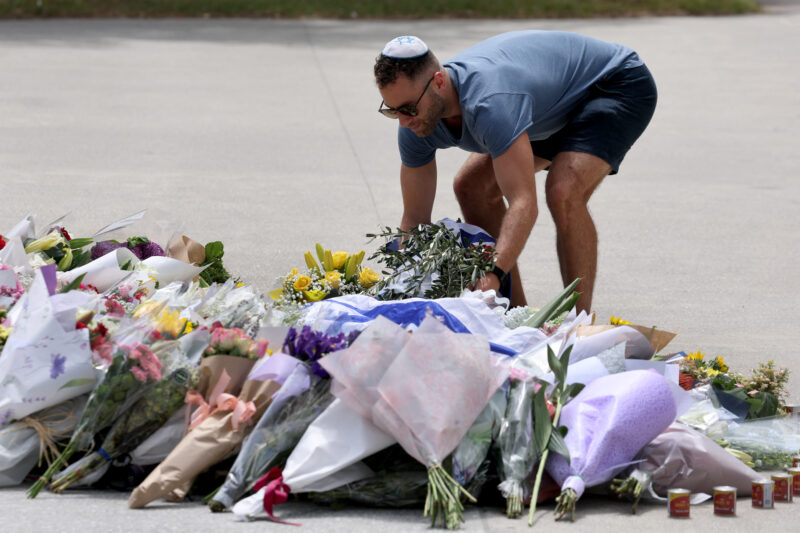
Bondi and Beyond: In The Washington Times, Sheina Gutnick, whose father, Reuven Morrison, was killed in the Hanukkah terror attack in Sydney, Australia, reflects on Jewish safety and security down under. “Since Oct. 7, 2023, I — like many other Jews in Australia and around the world — have watched with growing fear as antisemitism moved from the margins into the open. Fear almost feels too small a word for what unfolded. I watched protesters stand on the steps of the Sydney Opera House chanting, ‘F—- the Jews’ and ‘Where’s the Jews?’ What shocked me most was not only the hatred but also the absence of consequence. I watched news of Jews being murdered outside Jewish events overseas. I watched protesters in my own city calling to ‘Globalize the intifada.’ I felt the slow, sickening recognition that governments, including my own, were once again choosing to react too late. My father taught me that antisemitism is never an isolated incident. It’s never just words. History shows us the pattern clearly. Words become chants, chants become threats, and threats become violence. Eventually, Jews are murdered.” [WashTimes]
Word on the Street
President Donald Trump announced an immediate 25% tariff on countries that continue “doing business” with Iran; the tariff’s impact will likely have serious ramifications on trade between the U.S. and China, a major trading partner of Iran…
The State Department announced it had revoked 100,000 visas since its immigration crackdown began last year; of those, some 8,000 were student visas…
Former Rep. Mary Peltola (D-AK) announced Monday that she’s entering the Senate race against Sen. Dan Sullivan (R-AK) in Alaska, giving Democrats an outside chance of picking up the red-state Senate seat, Jewish Insider’s Marc Rod reports…
Reps. Mike Lawler (R-NY) and Jared Moskowitz (D-FL) introduced legislation to block U.S. funding for any U.N. agency that expels Israel; similar language was included in a State Department reform package the House Foreign Affairs Committee passed last year…
Former Deputy National Security Advisor Dina Powell McCormick is joining Meta as president and vice chairman; Powell McCormick, who served on Meta’s board from April-December 2025, was most recently at BDT & MSD Partners…
Rep. Sara Jacobs (D-CA) is joining House Democratic leadership as parliamentarian of the steering and policy committee…
Police in Los Angeles are investigating an incident of anti-Israel vandalism at the site of the Pasadena Jewish Temple and Center, which was destroyed in last year’s wildfires…
The executive council of the American Historical Association vetoed two anti-Israel resolutions, including one that accused the Jewish state of scholasticide in Gaza, saying that the resolutions “fall outside the scope” of the association and approving them “would present institutional risk and have long-term implications for the discipline and the organization”…
German Chancellor Friedrich Merz told reporters that Iran’s government is in its “last days and weeks”…
In an interview with Israel’s Channel 12, former hostage David Cunio shared details about his time in captivity, including a visit in the tunnels by former Hamas chief Yahya Sinwar…
Jay Greene is joining the Defense of Freedom Institute as a senior fellow with a focus on antisemitism in education…
Jay Haberman was tapped at the American Jewish Committee’s vice president for strategic philanthropy and major gifts; he was previously the chief development officer at ELNET-US…
Israeli archeologist and educator Gabriel Barkay, the co-founder and director of the Temple Mount Sifting Project, died at 81…
Pic of the Day

AIPAC CEO Elliot Brandt (right) met with Honduran President-elect Nasry Asfura earlier this week during Asfura’s first trip to the U.S. following his election last month. Asfura, who is of Palestinian descent, also met with Secretary of State Marco Rubio on Monday, and plans to travel to Israel in the coming days.
Birthdays
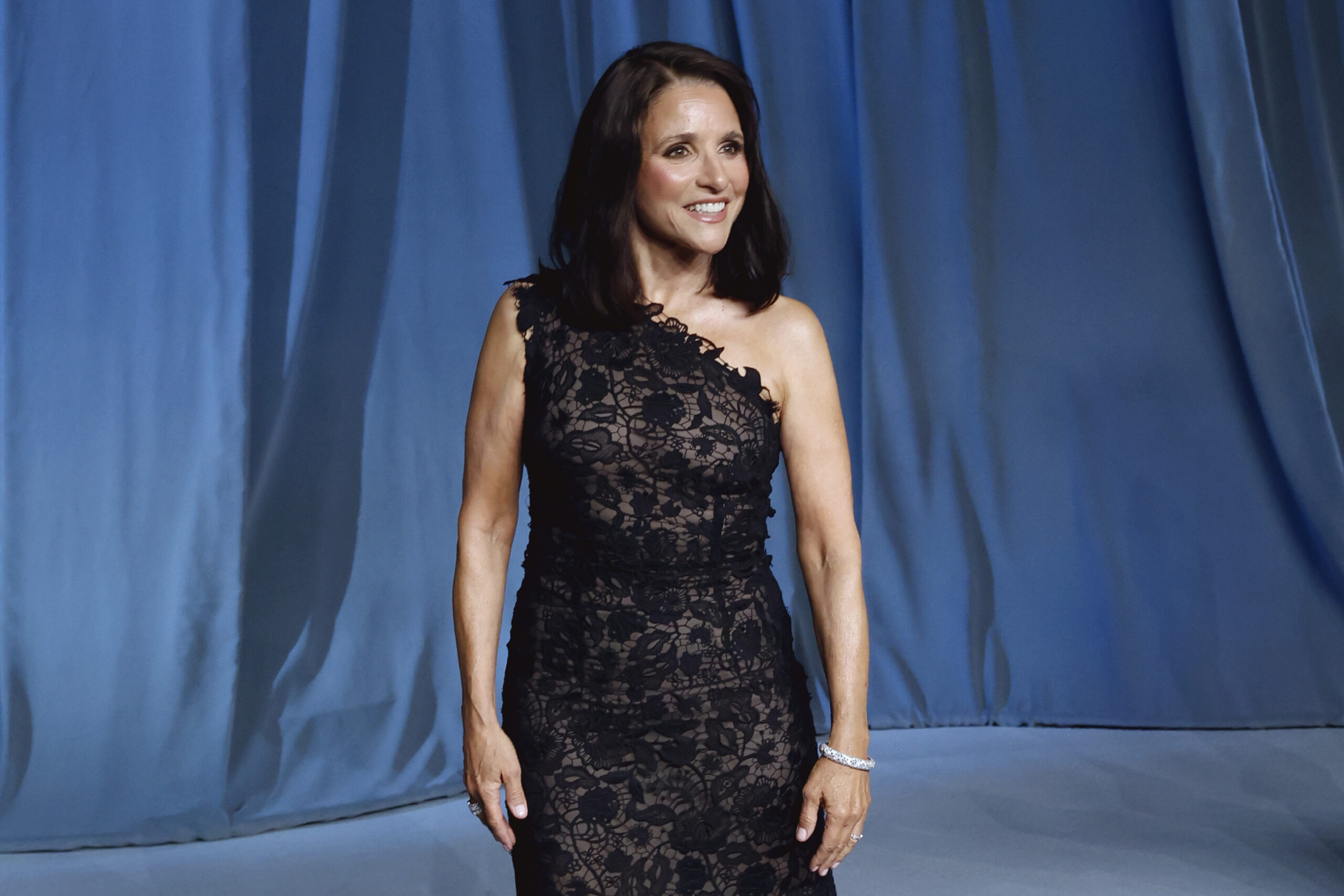
Actress and producer, winner of 11 Emmy Awards, she is best known for “Saturday Night Live,” “Seinfeld” and “Veep,” Julia Louis-Dreyfus turns 65…
Argentine writer, he has authored 14 novels, 17 essay collections, four short story collections and two biographies, Marcos Aguinis turns 91… Marriage and family therapist in Bakersfield, Calif., Kathleen Arnold-Chambers… Las Vegas resident, Cathy Nierenberg… Retired teacher, Lucia Meyerson… NYC pediatrician at Carnegie Hill Pediatrics, Barry B. Stein, MD… Lifelong resident of Greenwich Village, a two-time Emmy Award winner as a television producer, she worked for NBC Nightly News, Susanna Beth Aaron… President of the Pritzker Traubert Foundation, Cindy S. Moelis turns 65… Kaileh Lynn Pistol… Founder of the Freelancers Union, she was a MacArthur genius fellow in 1999, Sara Horowitz turns 63… Retired member of the Senate of Canada for 12 years, she is a past chair of the UJA of Greater Toronto, Linda Frum turns 63… Partner at Baker McKenzie, he served as deputy attorney general of the U.S. following 12 years as U.S. attorney for Maryland, Rod J. Rosenstein turns 61… Ashkenazi chief rabbi of Israel from 2013 until July 2024, Rabbi David Baruch Lau turns 60… Executive assistant to the president and CEO of the National Council of Nonprofits after 15 years at JFNA, Bruce Maclver… Vice president for policy at the Middle East Institute, Kenneth M. Pollack turns 60… President and CEO of Amazon, Andrew R. Jassy turns 58… Longtime activist for Israel, Heidi Krizer Daroff… French screenwriter and director, Alice Winocour turns 50… Statistician and writer who analyzes sports and elections, he was the editor-in-chief of FiveThirtyEight until 2023, Nate Silver turns 48… Former VP of donor relations at the Jewish Federation of Greater Los Angeles, now a marriage and family therapist, Shira Berenson Feinstein… Israeli singer and rapper, known by his stage name Nechi Nech, Ravid Plotnik turns 38… Communications consultant based in Denver, Carly Freedman Schlafer… Rebecca Seider… Sandra Shapiro…