












The ‘flashing red lights’ that Canberra ignored
For the Jews of Sydney, the horror that unfolded on Bondi Beach was a shock, but not a surprise
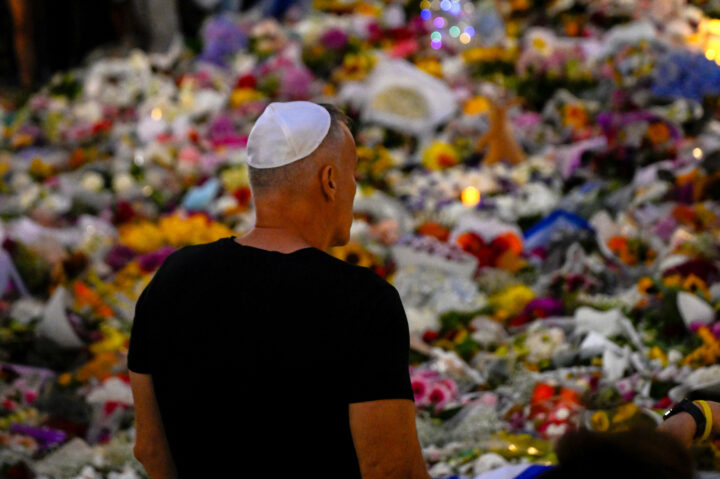
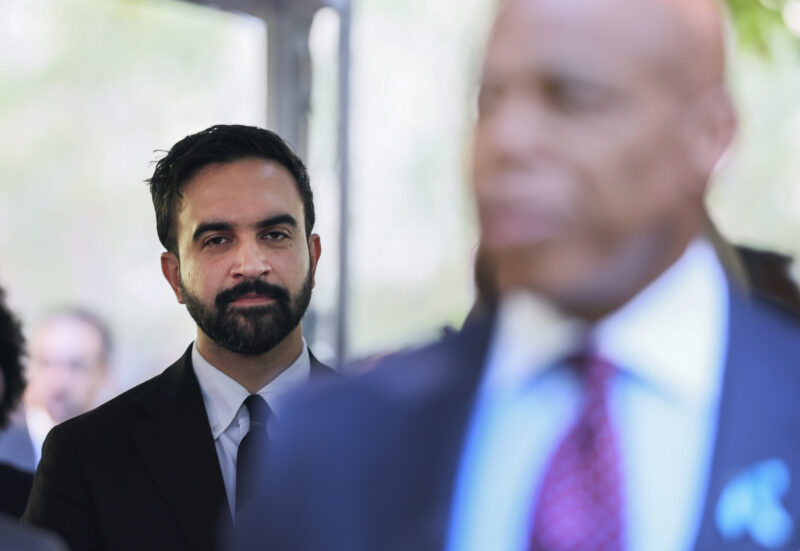
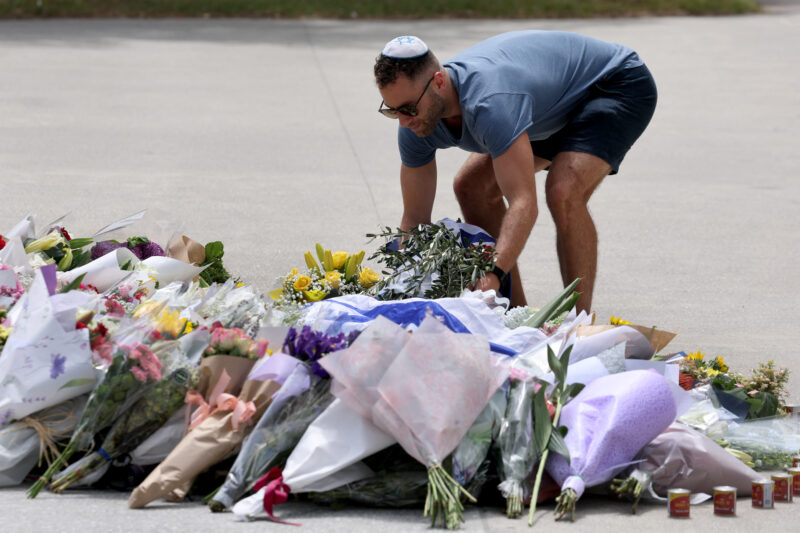
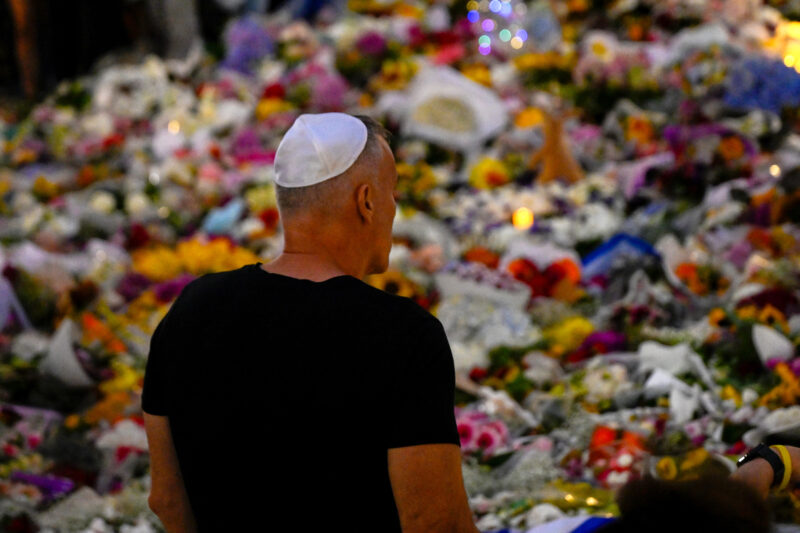
(Photo by Izhar Khan/Getty Images)
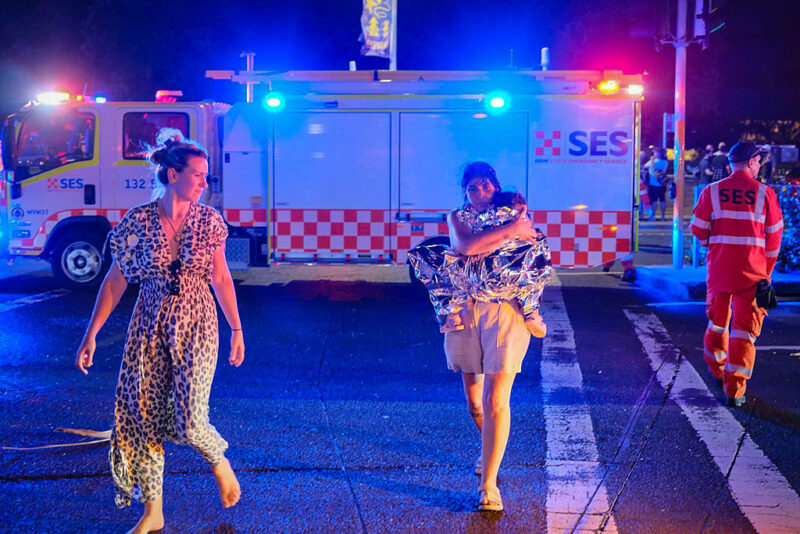
Mourners gather at the Bondi Pavilion as people pay tribute to the victims of a mass shooting at Bondi Beach yesterday, on December 15, 2025.


 Add JewishInsider on Google
For the Jews of Sydney, Australia, the horror that unfolded on the popular Bondi Beach during a Hanukkah celebration was a shock, but not a surprise.
Nor was it a surprise for much of the global Jewish community, which, while always on alert and monitoring threats, scales up its efforts around holidays — a task even more critical in the wake of antisemitic terror attacks earlier this year on Passover and Yom Kippur.
But the deadly attack in Sydney seemed — somehow — to have caught Australian officials by surprise, despite a warning from Israeli Prime Minister Benjamin Netanyahu four months ago over the potential for attacks against the Australian Jewish community, as well as a spate of attacks targeting Jewish institutions, some of which were orchestrated by Iran.
An Israeli tourist who was at Bondi during the attack who spoke to JI on Sunday said that he sensed “that [Australian authorities] don’t know how to deal with mass casualty events. … I didn’t see anything on the news for almost an hour, and when I asked locals why they weren’t calling news hotlines or reporting on news apps, they said Australia doesn’t have that. In Israel, it would be in the news three minutes later.”
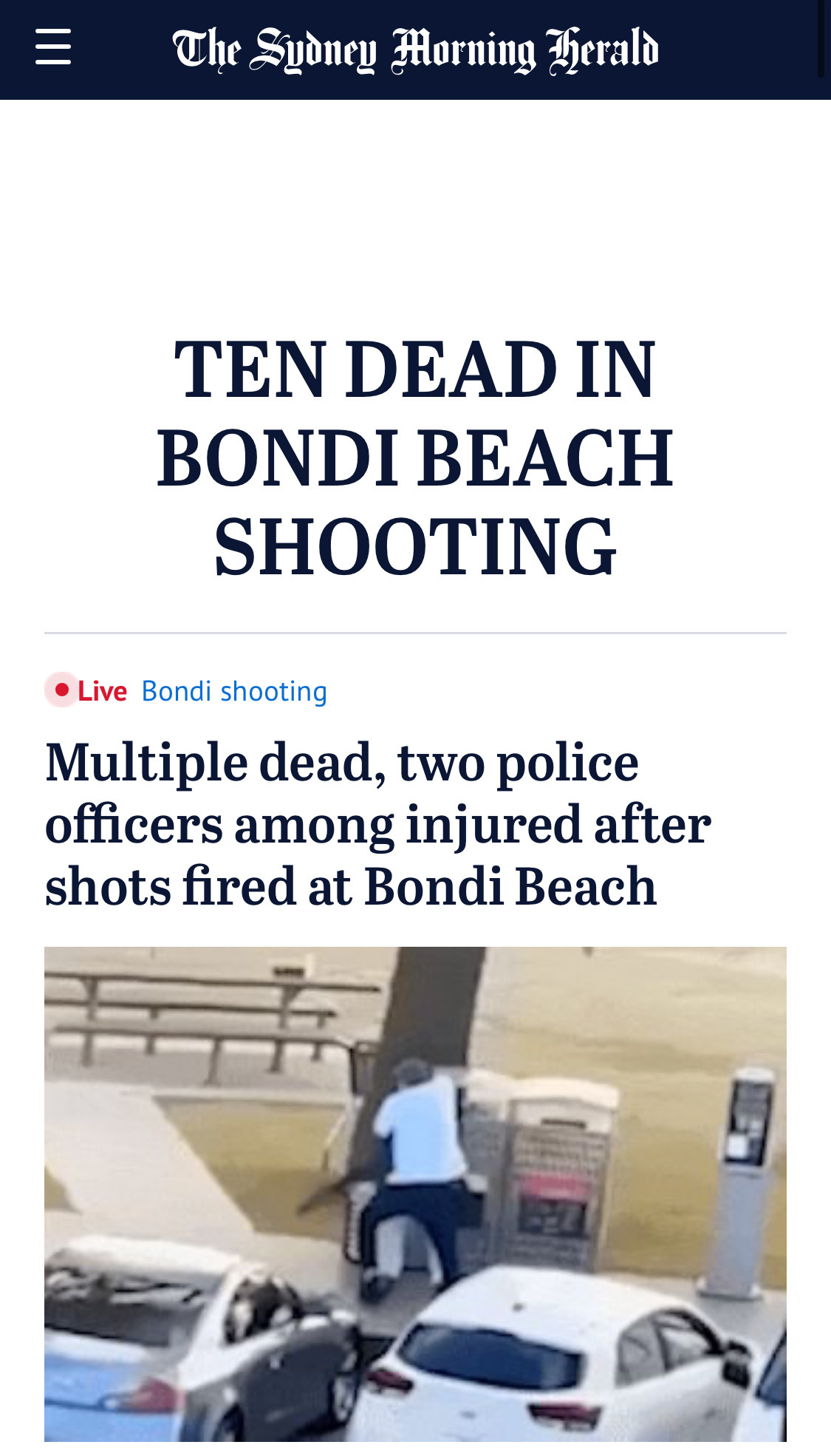
Indeed, within an hour of the onset of the attack, Israeli news networks were covering the carnage. International news outlets and networks, as well as Australian media, were slow to note that the attack had taken place at a Hanukkah celebration. Three hours after the attack, the Sydney Morning Herald’s top story was headlined “Ten Dead in Bondi Beach Shooting.” The subhead, too — “Multiple dead, two police officers among injured after shots fired at Bondi Beach” — gave no indication that the attack had taken place at a Hanukkah celebration, and that rabbis and Jewish community members had been shot.
It was a year ago this week that JI reported on concerns from Australian Jewish leaders over Canberra’s response to the antisemitism that dramatically increased following the Oct. 7, 2023, Hamas terror attacks and ensuing war between Israel and Hamas.
A travel advisory issued by the Simon Wiesenthal Center more than a year ago specifically cited the Australian government’s response, saying that “in failing to act against the demonization of Jews, Israel and Zionism on the streets of Australian cities, the Australian government has allowed violence against Jews and Israelis to be normalized.”
“Moreover,” the advisory continued in an ominous and prescient warning, “authorities have failed to take necessary measures to protect Jewish communities from increasingly belligerent and violent targeting by Islamists and other extremists.”
Speaking to Australian media, Jillian Segal, Australia’s special envoy to combat antisemitism, said on Monday that antisemitism had been “seeping into society for many years and we have not come out strongly enough against it.”
It was five months ago that Segal released an extensive plan for Canberra to address rising antisemitism. The plan, which faced pushback from critics at the time, had only partially been put into effect, Segal told the Australian Jewish News after yesterday’s attack.
Jewish leaders from around the world had been in Australia in the days prior to the Bondi Beach attack as part of the J7 Task Force, a group representing the world’s largest Jewish Diaspora communities, that had traveled specifically to Australia out of concern over rising antisemitism down under.
“We came to Australia because we saw the red lights flashing — because the Australian Jewish community has been under siege since Oct. 7, 2023, facing a nearly fivefold increase in antisemitic incidents since Hamas’ deadly attack on Israel,” Marina Rosenberg, the senior vice president of international affairs at Anti-Defamation League, wrote in an op-ed published in eJewishPhilanthropy this morning. “In meetings with high-level government officials and members of Parliament, our message was explicit and urgent: What begins with words can end with violence.”.
“Tragically,” Rosenberg continued, “those warnings were not acted upon fast enough.”
More Stories

AI ALERT
ADL study finds leading AI models generate extremist content after antisemitic prompts
on the agenda
Trump meeting with Netanyahu at Mar-a-Lago later this month
HEZBOLLAH HIT
Israel kills Hezbollah chief of staff in Beirut airstrike
data diaries
New Yale Youth poll finds Gen Z fueling rise in antisemitic views
diplomats declared
Israel approves new consuls-general in San Francisco, Houston