





























































Outspoken Satmar rabbi’s Torah videos attract followers from unlikely corners of the internet
An anti-Israel tech founder and far-right online subcultures are unexpectedly embracing Rabbi Shalom Landau’s Torah videos

Rabbi Shalom Landau
Facebook/Rabbi Shalom Landau


 Add JewishInsider on Google
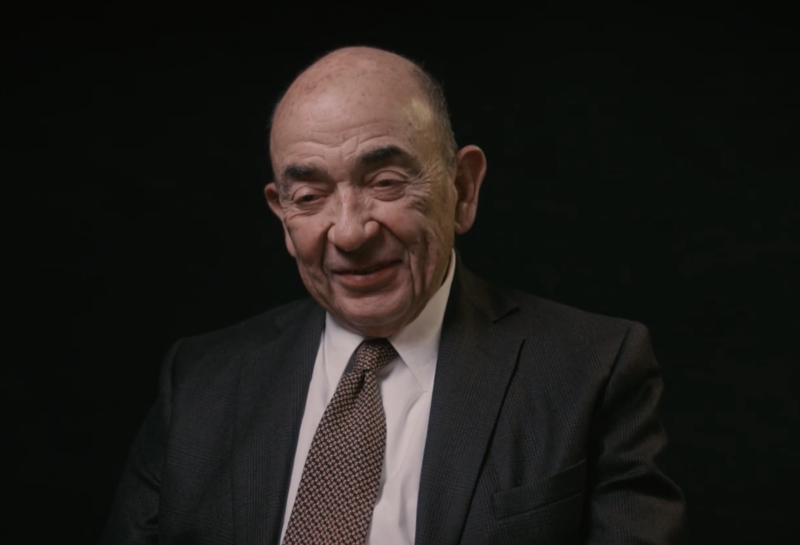
Rabbi Shalom Landau, a Satmar Hasidic leader who posts online videos offering practical, Torah-based advice, has found unlikely supporters in a prominent Jordanian-American tech founder who is outspokenly critical of Israel and within white nationalist online subcultures.
“Rabbi putting out the best self-help content on the internet rn,” tweeted Amjad Masad, the Dubai-based founder and CEO of Replit, an AI-powered platform for building, coding and deploying web applications. Masad shared one of Landau’s latest videos on Tuesday, which offers advice for dealing with abuse by quoting the Book of Jeremiah: “Cursed is a man who puts his trust in people.”
Masad has frequently smeared Israel in online posts. On Jerusalem Day last year, he accused Israelis celebrating as “go[ing] around Jerusalem hunting Palestinians to torture and abuse. Think Spanish ‘running the bull’ with all its cruelty but directed at humans. This event is supported by their government and police (and of course US taxpayer).” After Israel carried out strikes on Iran’s nuclear facilities in June, Masad called the Jewish state “the single most destabilizing force in the world.”
Landau’s approach of providing Jewish wisdom without mentioning Israel has elicited praise from male-dominated, right-wing Internet subcultures as well, where white nationalist ideology and antisemitism are typically rampant. Comments from anonymous accounts on his posts state, “say what you want about them [Jews], but they have a good track record with marriages lasting” and “Why are Christian pastors unwilling to speak this way?”
Some comments are supportive but still carry antisemitic undertones, “When a guy called rabbi shalom gives you money advice, you just listen.” Others have scrutinized Landau’s videos for sexist ideology, such as one about marriage that states, “No woman wants to speak to a husband who gets as weak as she is when she speaks to him… sure she wants empathy but the one that comes from you[r] logic not you[r] feelings.”
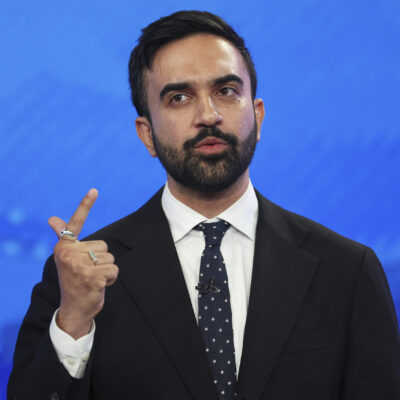
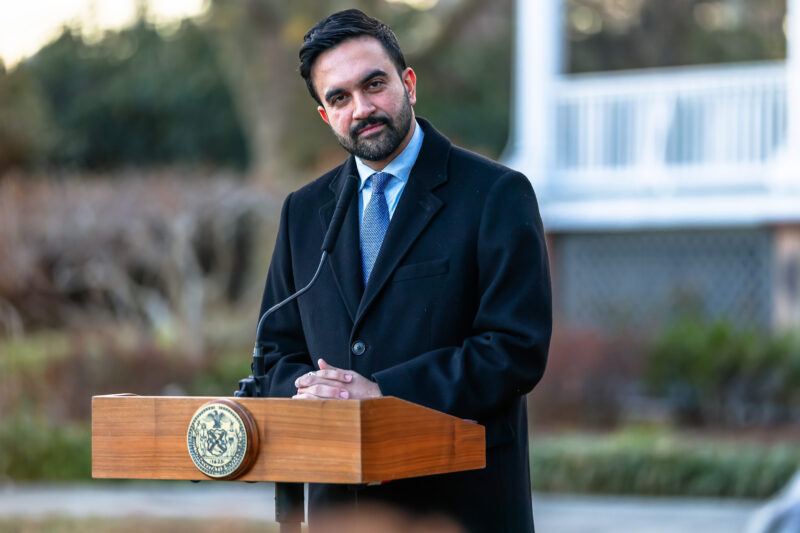
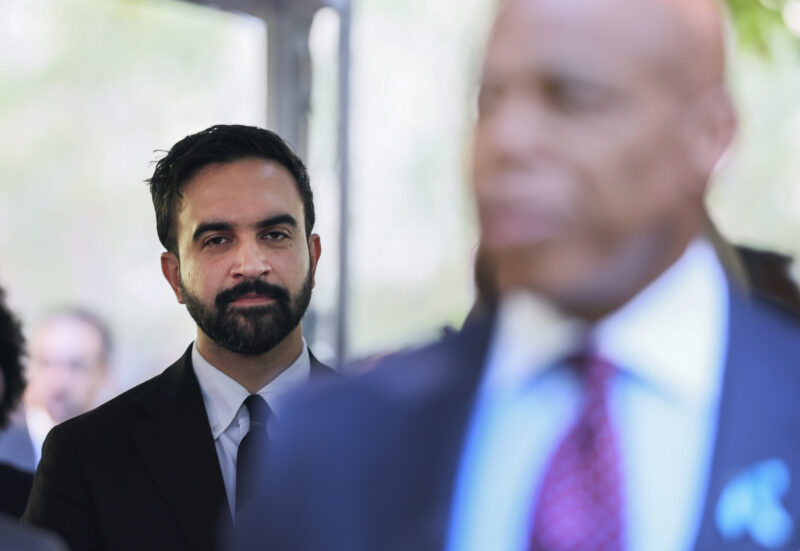
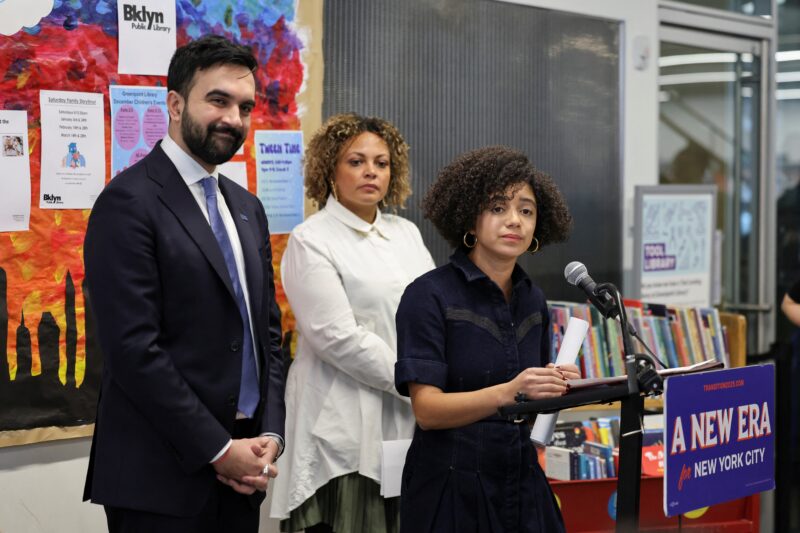
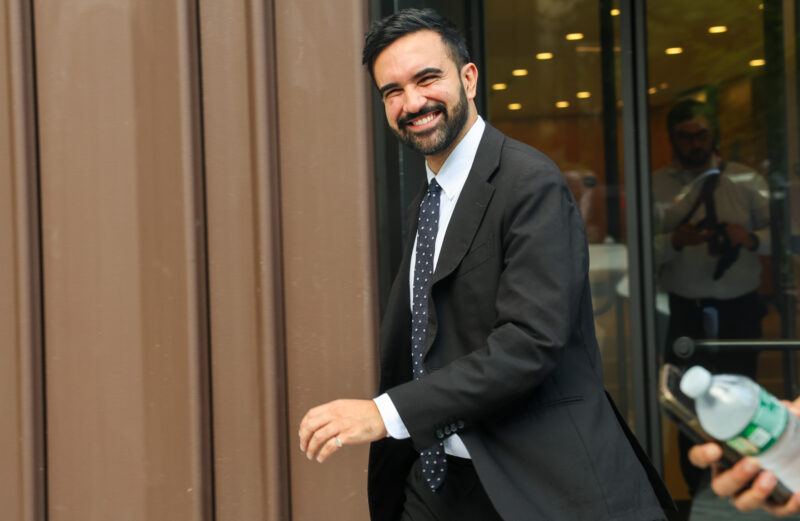
Landau, whose videos on marriage, responsibility and financial stability are widely circulated on X and TikTok (where he has 34 thousand followers), was condemned by some Jewish communities when — just weeks before the New York City mayoral election — he hosted then-candidate Zohran Mamdani in his Williamsburg sukkah.
The meeting was part of the mayor-elect’s bid to win over Orthodox Jewish support amid his frequent criticism of Israel. At the time, Landau defended his ties to Mamdani by saying, “We think our voices decide who wins. That’s wrong. God does. We have a mission in exile to live among the nations. Our strength in exile isn’t protest. It’s the Torah.”
The Satmar sect of Judaism, to which Landau belongs, is typically anti-Zionist, believing only the Messiah is supposed to bring about a Jewish state.
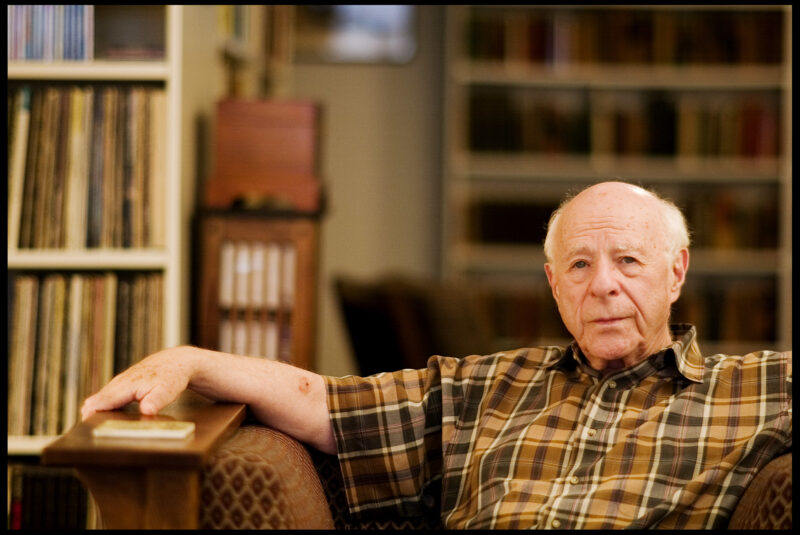
Still, Landau’s Torah videos have also inspired a prominent pro-Israel and modern Orthodox rabbi, Mark Wildes, the founder and director of Manhattan Jewish Experience.
Wildes wrote in a Dec. 2 post, “Every so often, something unexpected happens online that reveals a larger truth about who we are meant to be. Recently, a rabbi named Shalom Landau has become an unlikely voice within corners of the internet that are anything but friendly to Jews.”
“His Torah videos have received widespread praise among young men from the ‘groyper’ and ‘manosphere’ movements — subcultures laced with grievance and overt antisemitism. People who have spent years resenting Jews are suddenly listening to a Jew, a rabbi no less, teach Torah because they sense wisdom there,” continued Wildes.
“They are responding not to the endless Hasbara that Israel is ‘just like every Western democracy,’ but to Torah messages about building a life of meaning and responsibility. If we want to be a ‘light unto the nations,’ we must first reclaim our own light and resist becoming defined by whatever the algorithm rewards. We must speak from our Torah tradition, not from insecurity. When we share a message grounded in confidence rather than defensiveness, even the most unlikely audiences notice.”
“With Chanukah on the horizon, maybe that’s the beginning of understanding what it truly means to be a nation that carries light.”
More Stories

JOHNSON'S JOURNEY
House Speaker Mike Johnson headed to New Square on Sunday to help Mike Lawler

on the agenda
Trump meeting with Netanyahu at Mar-a-Lago later this month

doha forum dispatch
Hillary Clinton reiterates concerns about anti-Israel ‘propaganda’ targeting American youth

ON THE HILL
2026 defense bill includes unconditional repeal of Syria sanctions, Iraq war authorizations

COMMUNITY CONCERN
Jewish leaders, lawmakers, scramble to protect synagogues amid threatening anti-Israel protests