















Persia in protest
Plus, how Jewish Venezuelans are viewing Maduro's ouster


 Add JewishInsider on Google
👋 Good Friday morning!
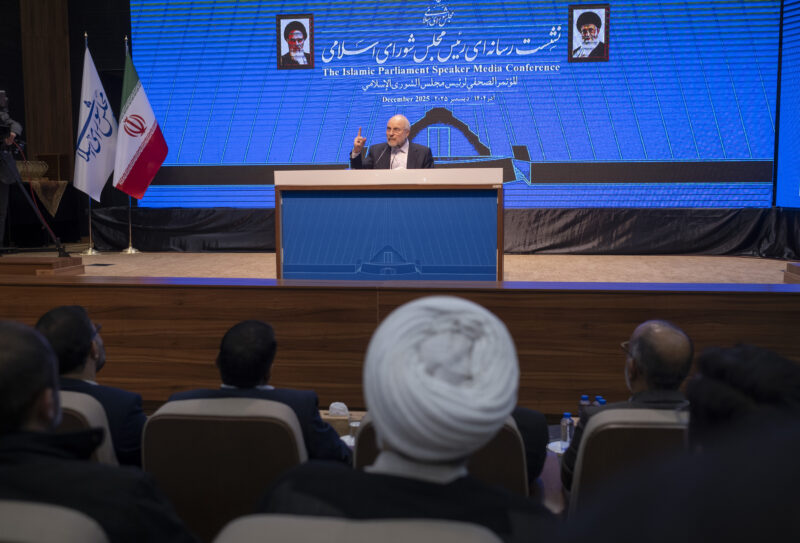
In today’s Daily Kickoff, we look at the growing pressure facing the Iranian regime as the protests sweeping the Islamic Republic expand into all of the country’s 31 provinces, and talk to legislators about President Donald Trump’s threats to Tehran over its crackdown on the demonstrations. We report on New Jersey Gov. Phil Murphy’s successful effort to kill a resolution that would have adopted the International Holocaust Remembrance Alliance’s working definition of antisemitism, and talk to Venezuelan Jews living in South Florida about the Trump administration’s arrest of Nicolás Maduro. Also in today’s Daily Kickoff: Rep. Steny Hoyer, Steven Spielberg and Massad Boulos.
Today’s Daily Kickoff was curated by Jewish Insider Executive Editor Melissa Weiss and Israel Editor Tamara Zieve, with an assist from Marc Rod. Have a tip? Email us here.
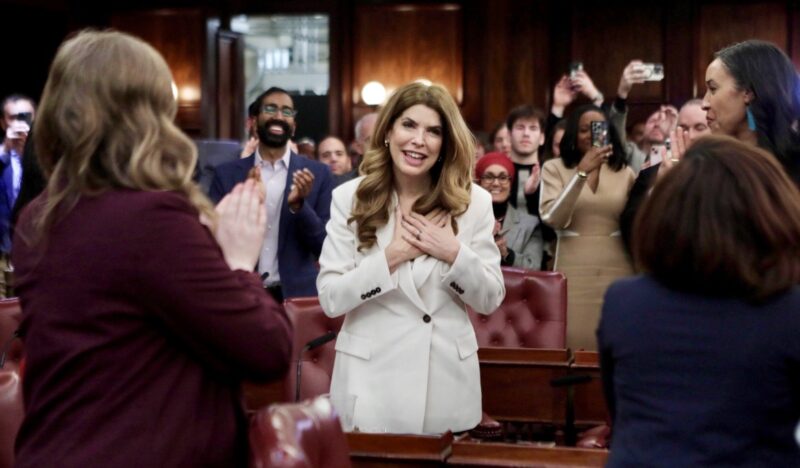
For less-distracted reading over the weekend, browse this week’s edition of The Weekly Print, a curated print-friendly PDF featuring a selection of recent Jewish Insider and eJewishPhilanthropy stories, including: U.S. lawmakers weigh in on fears of Saudi Arabia accommodating Islamists; New York Jewish leaders hope Menin will serve as check against Mamdani; and Why Israel recognized Somaliland — and what the rest of the world might do next. Print the latest edition here.
What We’re Watching
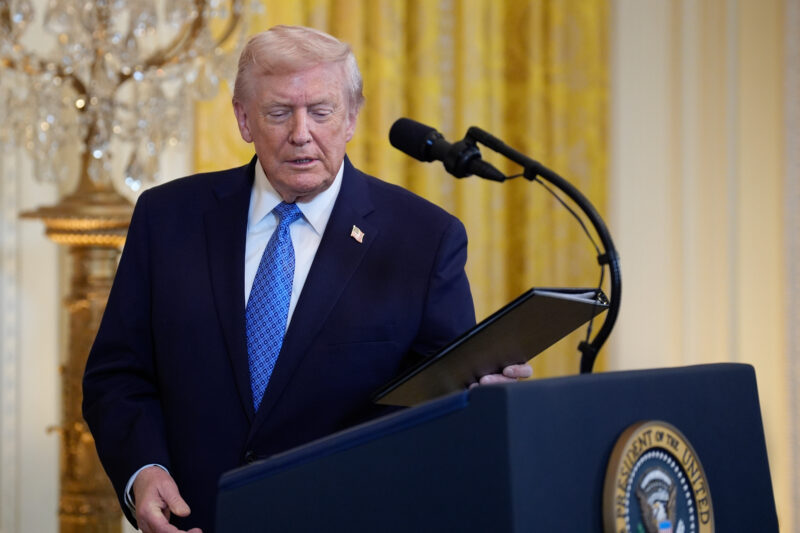
- President Donald Trump is meeting with Secretary of State Marco Rubio this morning, followed by a lunch between the president and Vice President JD Vance. Trump will meet in the afternoon with oil and gas executives to discuss the situation in Venezuela.
- Jacob Helberg, the undersecretary of state for economic affairs, is traveling to the Middle East through next weekend. He’s slated to meet with senior officials in Israel, Qatar, Saudi Arabia and the United Arab Emirates. In the UAE, he’ll lead the U.S. delegation to the U.S.-UAE Economic Policy Dialogue.
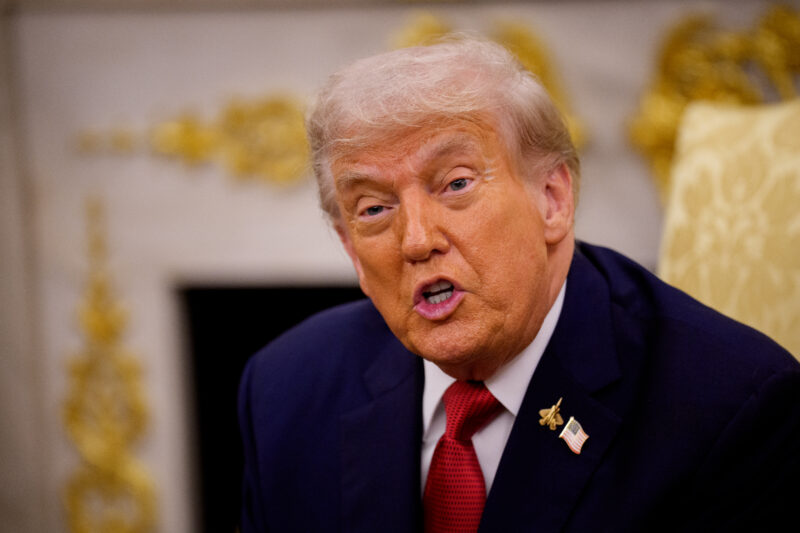
- We’re continuing to monitor the situation in Iran, where protests escalated last night as the regime cut off internet and international phone calls, limiting the amount of information that could leave the Islamic Republic. Iranian Supreme Leader Ayatollah Ali Khamenei said in a video address that Trump’s hands were “stained with the blood of Iranians” for having voiced support for the protesters.
- Ongoing current events coincide with the long-delayed release of the third season of the Israeli series “Tehran,” which drops today on Apple TV in the U.S.
- Tomorrow, Rabbi David Wolpe will sit in conversation with the Anti-Defamation League CEO Jonathan Greenblatt at Los Angeles’ Sinai Temple, where Wolpe is the Max Webb Rabbi Emeritus.
- Awards season kicks off on Sunday night with the Golden Globes. Up for Best Motion Picture and Best Screenplay is “Marty Supreme,” based on the life of table tennis player Martin Reisman (with star Timothée Chalamet nominated for Best Actor). “It Was Just An Accident,” a thriller by acclaimed Iranian filmmaker Jafar Panahi (who also received nominations for Best Director and Best Screenplay), and “The Voice Of Hind Rajab,” about a young Palestinian girl who died during the Israel-Hamas war, are both nominated for Best Film in a non-English language. Adam Brody was nominated for Best Actor for his starring role in the TV show “Nobody Wants This,” and Jason Isaacs was nominated for his “White Lotus” performance in the Best Supporting Actor category. Comics Sarah Silverman and Brett Goldstein are both nominated for their stand-up specials.
What You Should Know
A QUICK WORD WITH JI’S MATTHEW SHEA
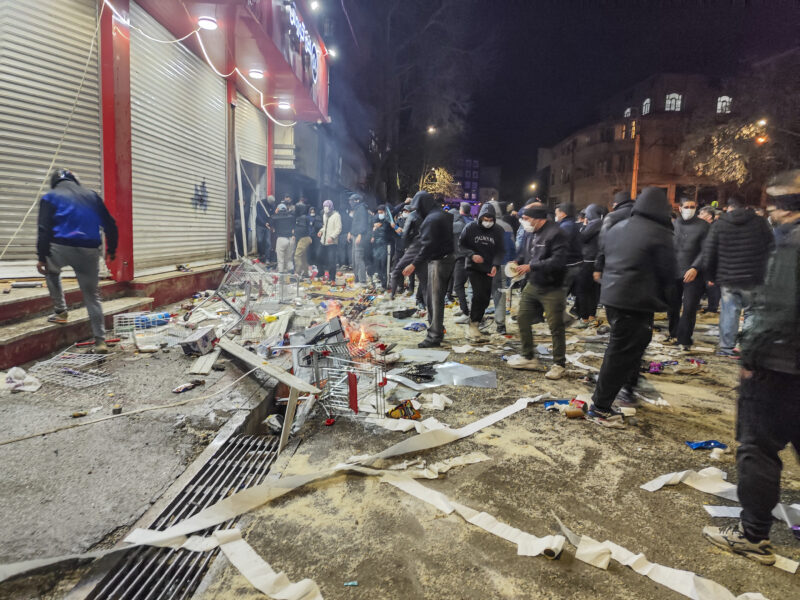
The United States, Israel and their regional allies are watching closely as sustained unrest in Iran puts renewed pressure on the regime at a moment of economic strain, international isolation and lingering fallout from the 12-day war with Israel last June.
Recent demonstrations have spread across all 31 of Iran’s provinces, fueled by public anger over a collapsing economy, inflation exceeding 40% and aggressive crackdowns by security forces. Economic pressure — intensified by costly proxy wars and United Nations sanctions — have sent Iran’s currency into a sharp decline.
Jonathan Ruhe, a fellow at the Jewish Institute for National Security of America, said the regime’s “unwillingness to be responsive to its people’s basic demands and rights,” is also a factor. Adding that Tehran has a “clear preference to spend the country’s resources on military projects like its proxies, missiles and nuclear program instead of its citizens’ well-being.”
More than 400 demonstrations took place this week alone, with at least 743 recorded over the past month, according to a tracker from the Foundation for Defense of Democracies. The death toll has reached at least 38, with more than 2,200 arrests reported. The demonstrations are the largest since April 2025 and among the most sustained since late 2022 as videos continue to circulate online of Iranians flooding the streets, burning regime flags and lighting fire to statues of Supreme Leader Ayatollah Ali Khamenei.
Ruhe said that uprisings by the Iranian people against the regime are not uncommon. “In 2009 it was political corruption, when the regime clearly stole the presidential election to get [former President Mahmoud] Ahmadinejad reelected,” he said. “In 2017-18 it was economic and foreign policy issues, for instance Iranians being killed in the Syrian civil war and the regime’s lavish spending on its proxies instead of at home. In 2022 it was social and cultural issues, namely hijab enforcement.”
But experts say what is unfolding now could be more significant than protests of the past, expressing to Jewish Insider that recent developments could pose an unprecedented challenge to a regime already under strain.
PROTEST PRESSURE
GOP senators back Trump’s threat to Iranian regime over protest crackdown
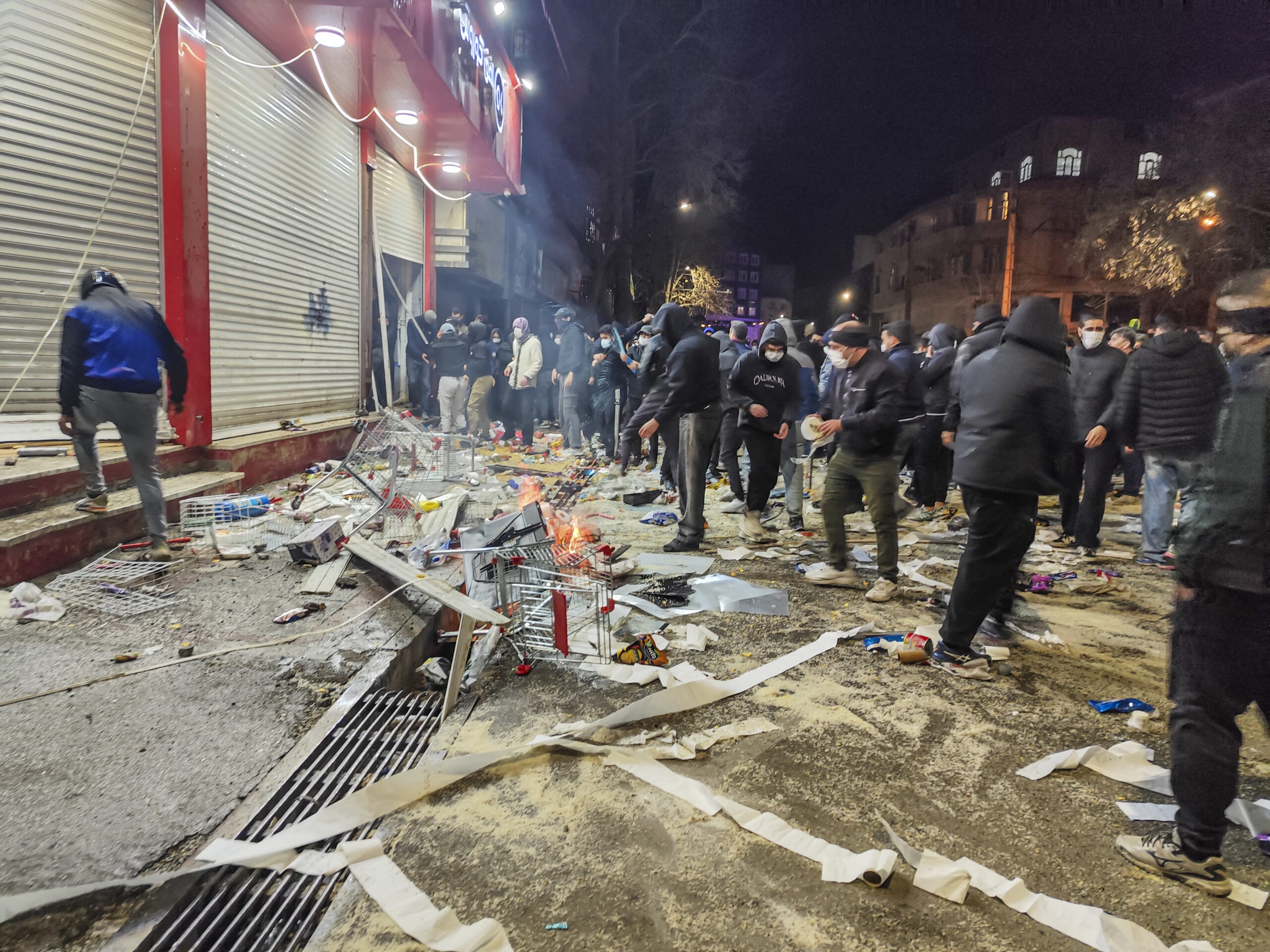
Multiple Senate Republicans voiced support for President Donald Trump’s threat that the U.S. would intervene directly should the Iranian regime crack down on the escalating protests across Iran — crackdowns that appear to have already begun, Jewish Insider’s Marc Rod and Emily Jacobs report.
What they’re saying: “President Trump has been very clear: If the ayatollah harms the protesters, the consequences would be catastrophically painful,” Sen. Ted Cruz (R-TX) told JI. “The regime should understand that the president is deadly serious and will enjoy strong support in Congress.” Sen. Pete Ricketts (R-NE) told JI that “what the president said … [is] one of the things that we can do to help protect the Iranians who are protesting.” Other senators spoke more broadly about offering U.S. support for the protesters without addressing direct intervention, with one noting that lawmakers haven’t discussed in detail at this point potential measures to respond.
Read the full story here with additional comments from Sens. Lindsey Graham (R-SC), John Fetterman (D-PA), Richard Blumenthal (D-CT), James Lankford (R-OK), Adam Schiff (D-CA) and Andy Kim (D-NJ).
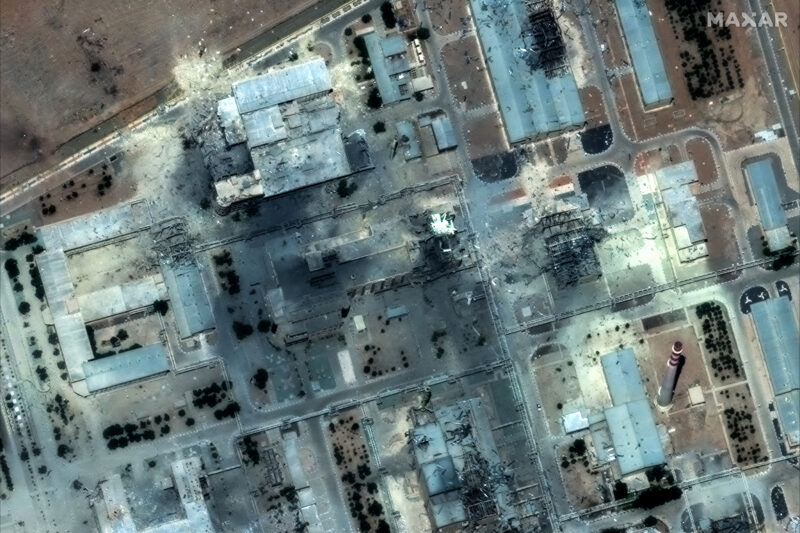
Strike support: Fetterman said on Thursday that he would support the U.S. striking Iran’s nuclear facilities again to prevent Tehran from rebuilding its nuclear program — if the regime is found to be making strides toward restoring sites damaged by U.S. and Israeli strikes last year, Jewish Insider’s Emily Jacobs reports.
VENEZUELAN VIEWS
After years in exile, Venezuelan Jews celebrate the fall of Maduro
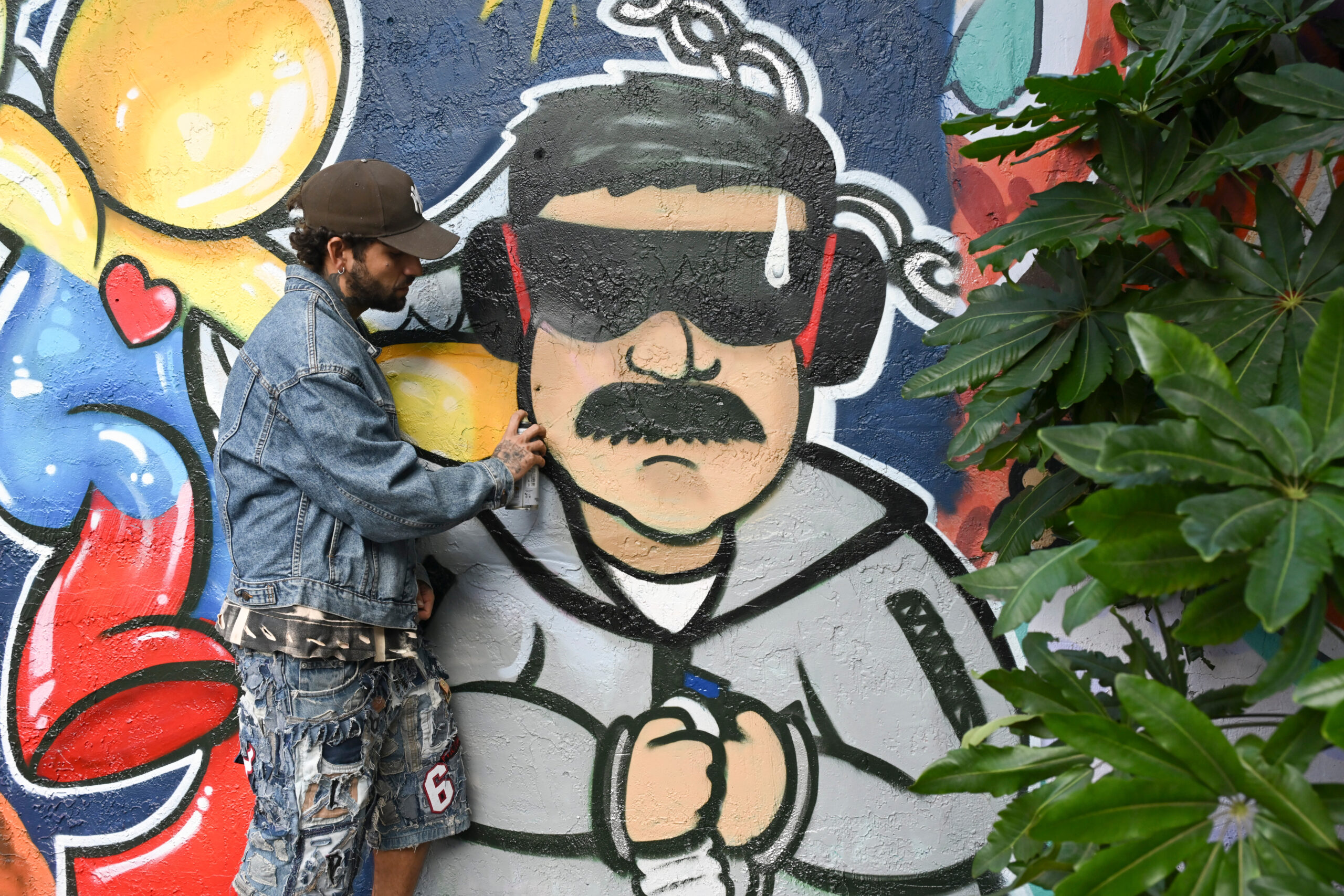
When Valerie Stramwasser woke up on Saturday, Jan. 3, she glanced at her phone and saw hundreds of WhatsApp messages. “I’m like, ‘Oh my god, something happened.’ I first thought that it was something in the family, and then I opened up and I hear, ‘We’re free.’ We’re free. It happened,” Stramwasser told Jewish Insider’s Gabby Deutch on Thursday. “Literally tears of joy.” Stramwasser, 37, lives in Hollywood, Fla., with her husband and two children, but she grew up in Caracas, Venezuela. She was forced to flee the country as a teenager after a failed kidnapping attempt against her.
Miami move: Stramwasser is one of hundreds of thousands of those Venezuelans who now call Florida home, including several thousand Venezuelan Jews who have developed outposts of their once-strong Caracas community centers in Miami. “Growing up there, it was a community of about 28,000 Jews that were living there. It was a vibrant community, a very successful and respected community,” said Paul Kruss, a city commissioner in Aventura, Fla., who also owns a popular local bagel shop. His mother, who was from Warsaw, Poland, moved to Caracas after surviving the Holocaust. “Now there’s maybe 4,500 that live there, which should tell you all you need to know about the kind of brain drain that they had. It wasn’t only the Jewish community that fled.”
BILL BLOCK
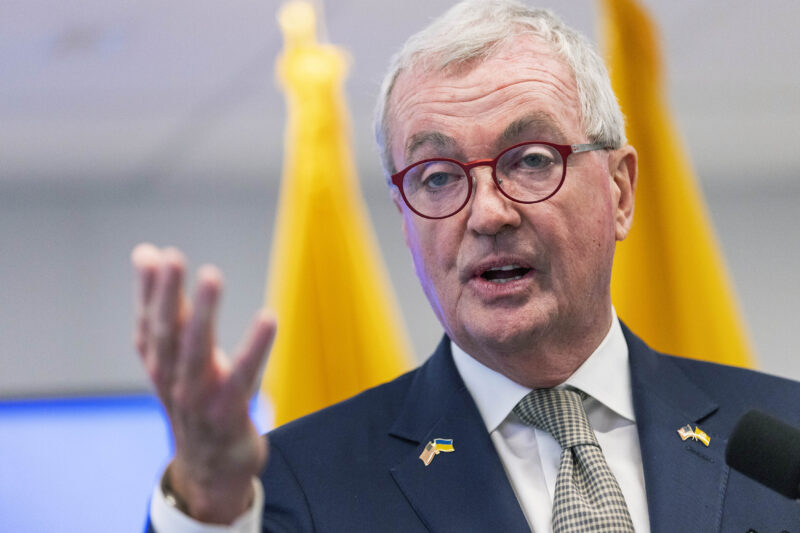
Gov. Phil Murphy killed New Jersey antisemitism legislation, sources say
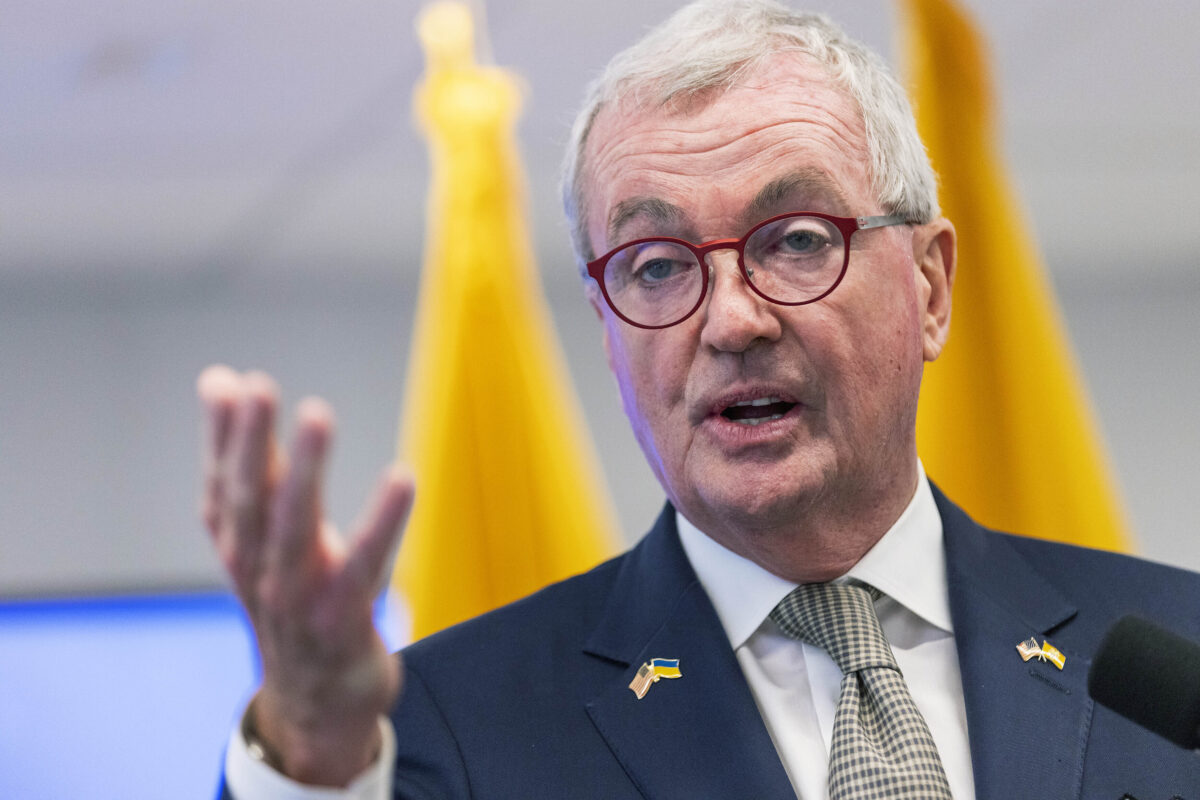
A high-profile New Jersey bill adopting the International Holocaust Remembrance Alliance’s working definition of antisemitism is not expected to pass in the current New Jersey Assembly session, four sources familiar with the situation told Jewish Insider’s Marc Rod. Two sources said that Gov. Phil Murphy, a Democrat, opposed the legislation and was a key obstacle to its passage.
Behind the scenes: The two sources blamed Murphy, the outgoing governor, for its failure, alleging that he did not want to be forced to make a decision whether to sign it. One source familiar with the situation emphasized that the legislation had the support to pass, but that Democratic leaders were reluctant to move the bill forward to a full vote — concerned that support for the bill would place some Democratic members in danger of progressive primary challenges in the future. Another source said that there had been significant finger-pointing between Murphy, Senate President Nicholas Scutari and Assembly Speaker Craig Coughlin, with each blaming the others for the legislation’s failure to pass.
Meanwhile in Missouri: The Missouri state House is set to consider legislation adopting the IHRA definition in educational settings on Monday.
STORIED LEGACY
Rep. Hoyer’s retirement deprives Dems of leading pro-Israel stalwart
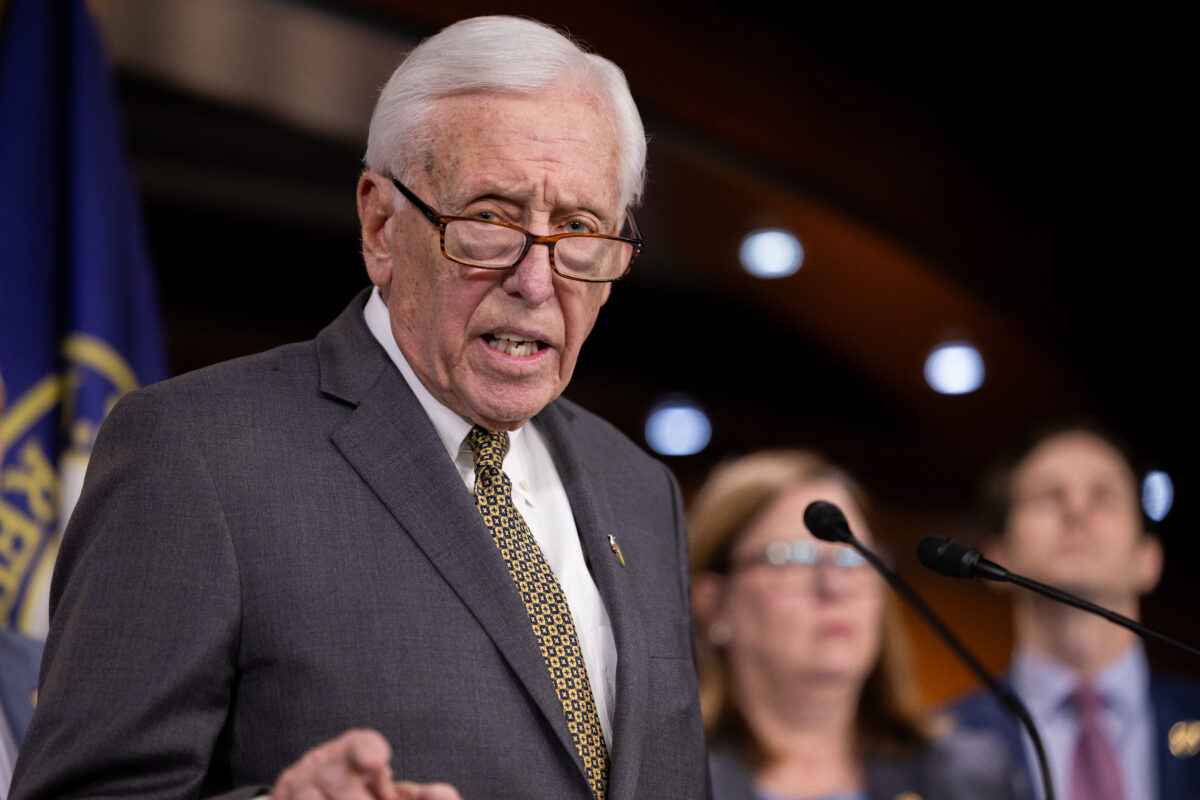
Democratic colleagues and leaders are lauding Rep. Steny Hoyer (D-MD), the longtime former No. 2 Democratic House leader, as a champion for Israel, and say that his retirement, announced Thursday, will deprive Democrats of one of the leading congressional advocates of a strong U.S.-Israel relationship, Jewish Insider’s Marc Rod reports.
Time in Congress: Hoyer, 86, has served in Congress since 1981, and was the second-most senior House Democrat from 2007-2023. A prominent voice respected by colleagues on both sides of the aisle, Hoyer has for years led AIPAC-linked American Israel Education Foundation’s trip to Israel for first-term Democrats. His retirement comes at a time of a sea change on Israel policy among Democratic lawmakers and the Democratic base.
NO COMMENT
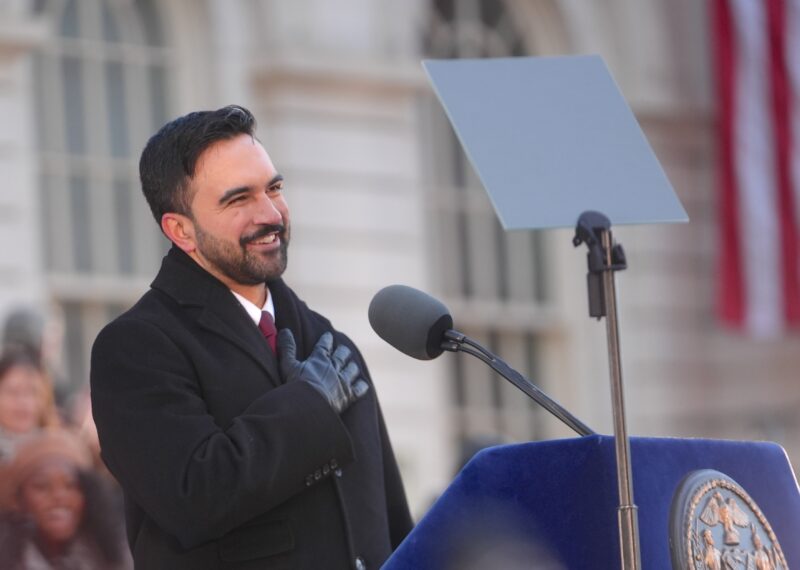
Mamdani silent as pro-Hamas group protests near synagogue
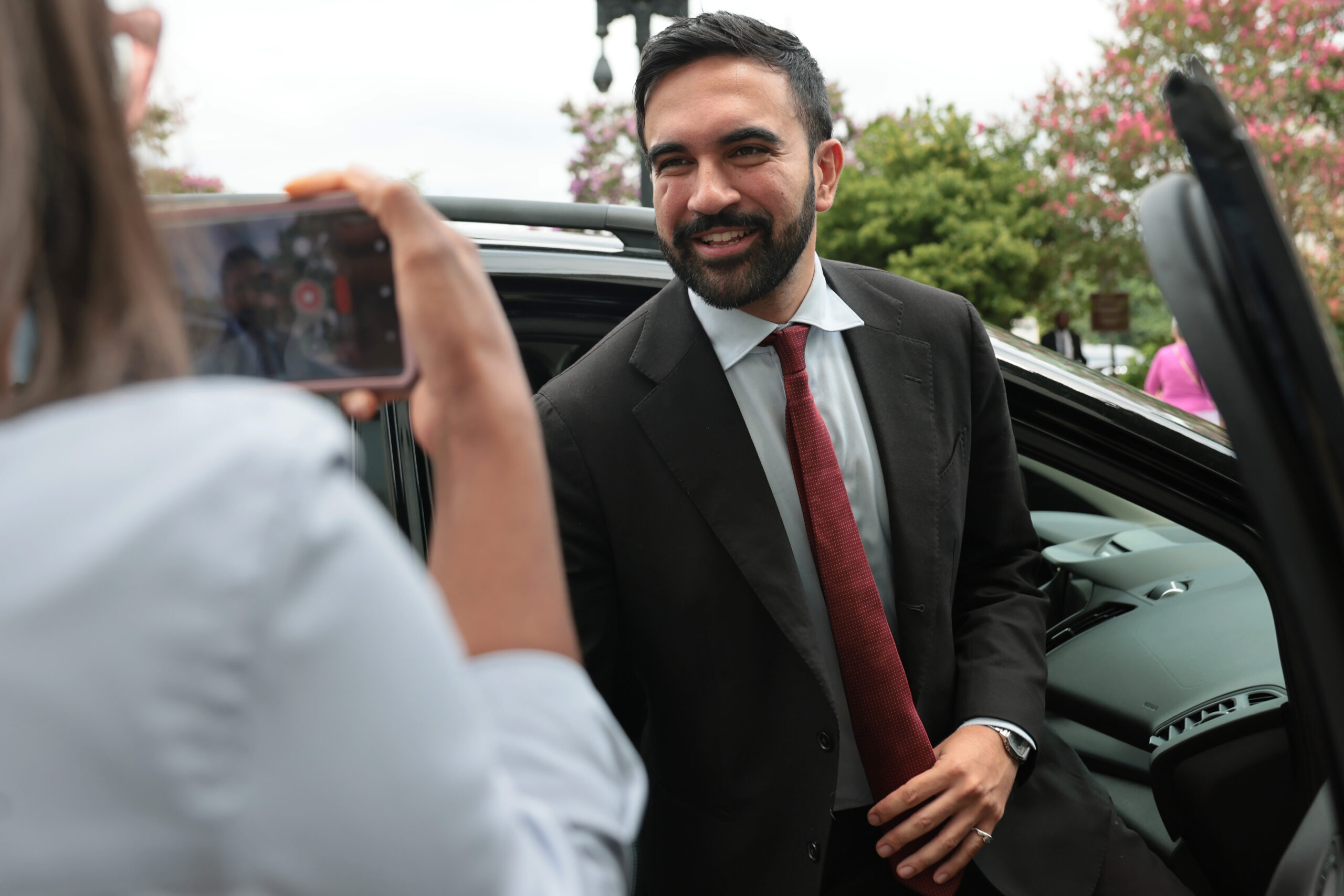
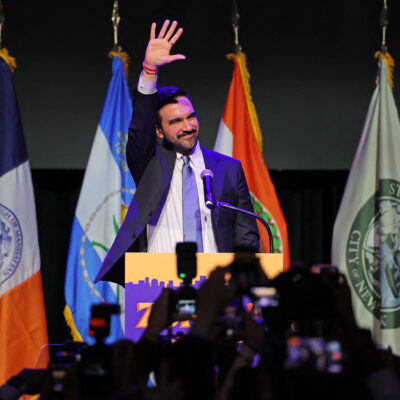
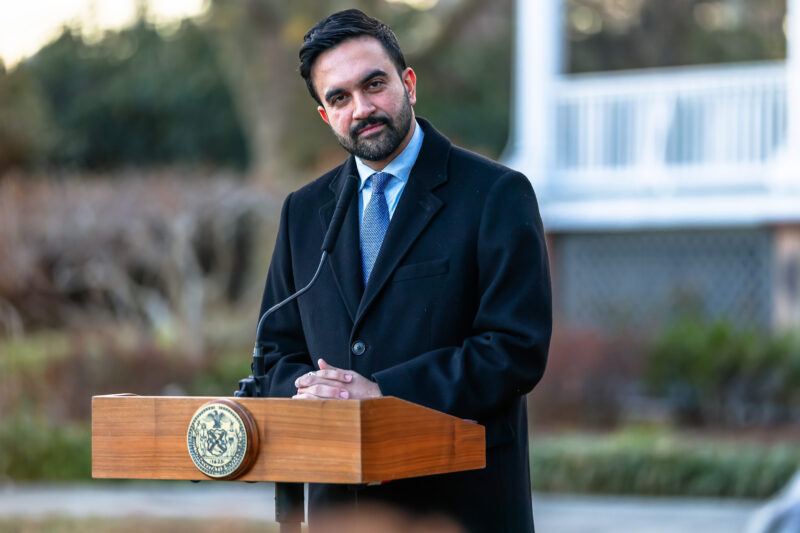
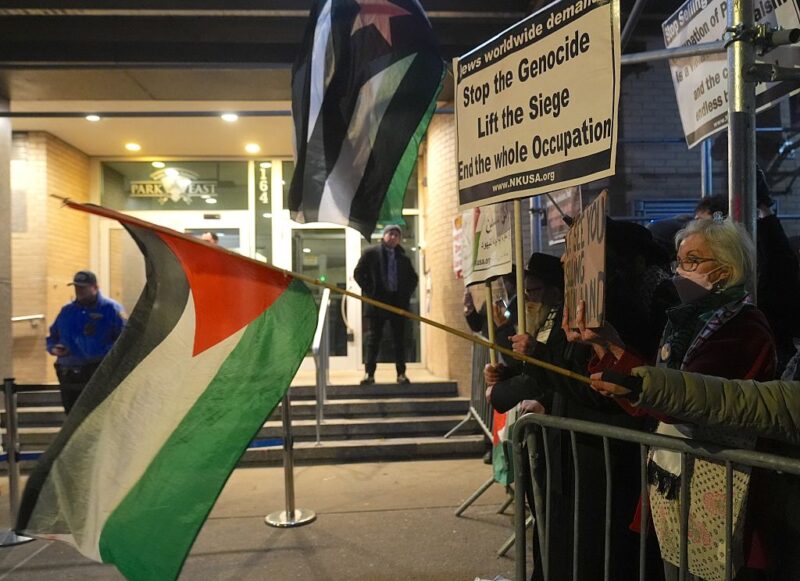
New York City Mayor Zohran Mamdani was silent regarding an anti-Israel protest in Queens on Thursday that caused nearby schools and a synagogue to close early in anticipation of the demonstration where protesters chanted “We support Hamas.” The radical group behind the protest, called Palestinian Assembly for Liberation [PAL]-Awda, wrote on social media Thursday afternoon that it would gather in the evening outside of an event held by CapitIL, a Jerusalem-based real estate agency, at the Modern Orthodox synagogue Young Israel of Kew Gardens Hills. The post called it an “illegal event” promoting “blatant land theft and dispossession,” Jewish Insider’s Haley Cohen reports.
What happened: Dozens of masked, keffiyeh-clad demonstrators gathered across the street from the synagogue and chanted, “We support Hamas here,” “There is only one solution, intifada revolution,” “Globalize the intifada” and “Death to the IDF” for more than two hours while banging on drums in the residential area in Queens’ heavily Jewish neighborhood of Kew Gardens Hills. One protester held a ripped Israeli flag that was painted red to resemble blood. The protest was also promoted by Columbia University Apartheid Divest.
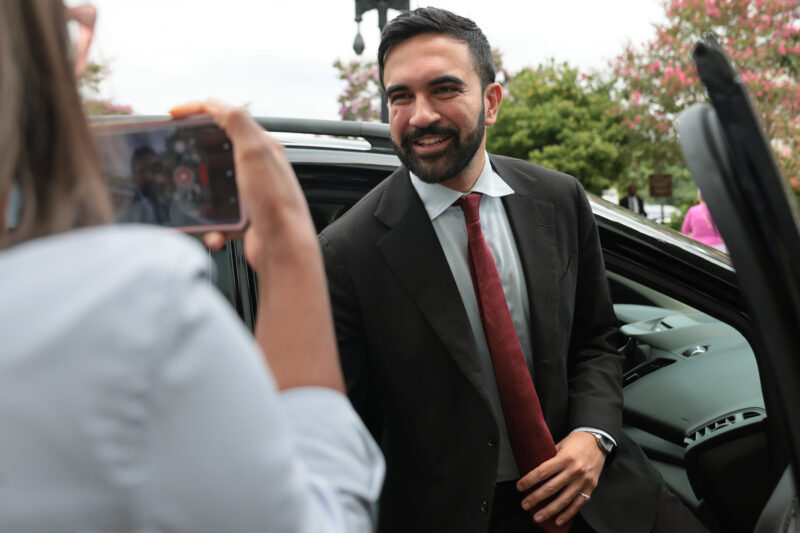
Bonus: Mamdani met earlier this week with Steven Spielberg in the film director’s Manhattan home, in what The New York Times reported was a “friendly get-to-know-you conversation” between the new mayor and Spielberg, who became a New York resident the day of the inauguration.
HARGEISA HOPES
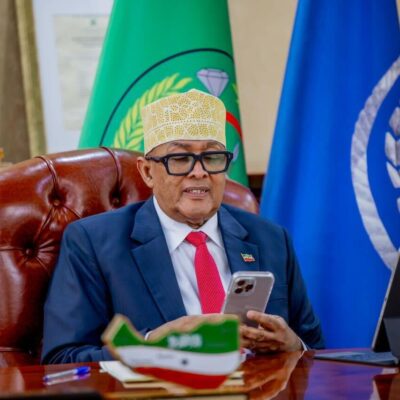
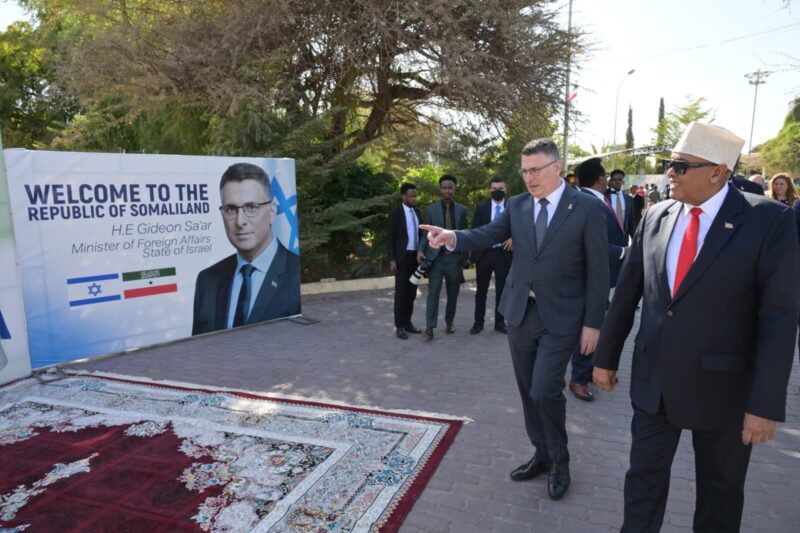
Somaliland’s top diplomat in Washington hopes for Jewish support in bid for additional recognition
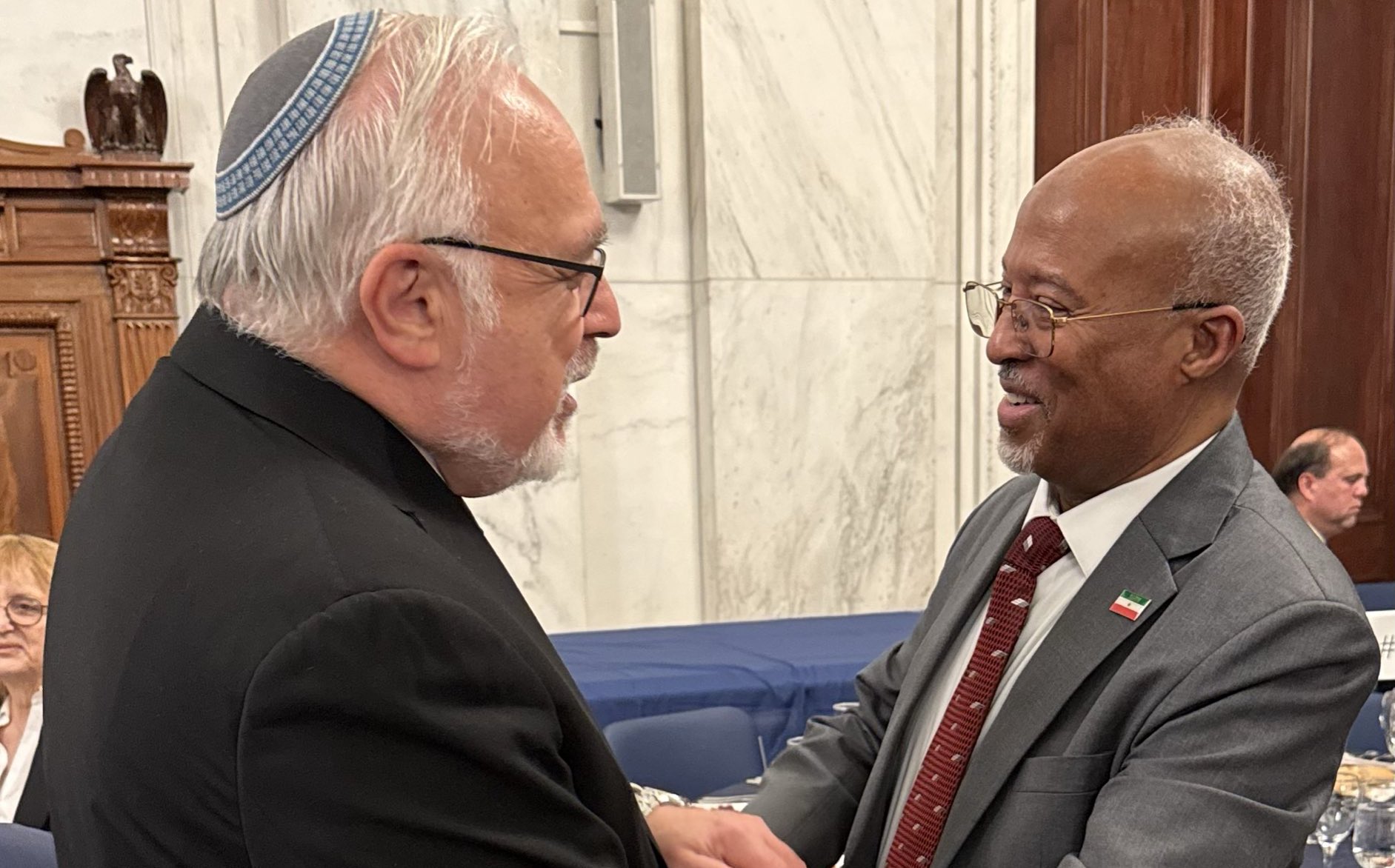
Since Israel became the first state to formally recognize Somaliland as an independent nation last month, Bashir Goth, Somaliland’s top diplomat in Washington, was granted the opening he has been seeking since he began his posting in 2018: a chance to try to convince the United States to follow suit and recognize the independence of Somaliland, a breakaway region of Somalia that has governed itself for 35 years. “Our friends will be more active now, more vigorous, more encouraged by the Israeli recognition,” Goth told Jewish Insider’s Gabby Deutch in an interview on Wednesday.
Seizing the moment: Goth is hoping to capitalize on the rare occurrence of Somaliland being in the news, in part by attempting to rally American Jews to his cause. “We always built very strong relations and engagements with Jewish organizations in Washington, D.C., and they are more active now, more than any time before,” said Goth. “I think they will also be very, very helpful in pushing this forward.”
Bonus: Speaking to The National, Massad Boulos, the Trump administration’s senior advisor on Arab and Africa affairs said, “Somaliland is not a new issue. … [Israel is] free to have peace relationships and these partnerships. The United States so far has not changed its position on Somalia. For now, our policy is ‘one Somalia.’ Things may evolve in the future, I cant speculate. We’re continuously looking into these things and assessing these things. But as of now our policy has not changed.”
Worthy Reads
Softer Touch on Protesters: In The Wall Street Journal, Reuel Marc Gerecht and Ray Takeyh posit that Iranian Supreme Leader Ayatollah Ali Khamenei and President Masoud Pezeshkian are taking a less hard-line approach to the protests sweeping the country. “The government hopes a softer touch will cause the marchers to be satisfied with making their point. If not, the emollients favored by [Parliament Speaker Mohammad] Qalibaf and Pezeshkian will likely give way to the severity favored by the supreme leader and encouraged by Mr. Trump’s provocative challenge. For at least a century, the Iranian public has sought meaningful political participation while central governments resisted. With the exception of the 1979 revolution, the regimes prevailed. But Iranians have never remained satisfied with national bargains in which they forfeit political rights for economic dividends or social emancipation.” [WSJ]
Clash in the Gulf: In Foreign Policy, Marc Lynch looks at the dynamics between Saudi Arabia and the United Arab Emirates, as the countries clash in a number of theaters, including Yemen and Somalia. “[After the Oct. 7, 2023, Hamas terror attacks,] the UAE maintained its relations with Israel, positioning itself as the key Arab interlocutor for a post-Hamas Gaza and hoping to claim vindication for its strategy of tight alignment with Israel and Washington. Saudi Arabia, with a much more challenging domestic environment and its own ambitions for regional leadership, reverted to its traditional position of conditioning normalization with Israel on a credible path toward a Palestinian state. Unstated, but well understood, was that Riyadh never had any intention of joining an Abu Dhabi-led initiative. The crystallization of a divide between Saudi Arabia and the Emirati-Israeli alliance would force everyone in the region to take sides — something smaller states usually prefer to avoid. Most of the other Gulf states, such as Egypt, seem to be falling in line with Saudi Arabia. The competition could inflame civil wars, just as it did a decade earlier.” [FP]
Word on the Street
Five Senate Republicans — Sens. Lisa Murkowski (R-AK), Josh Hawley (R-MO), Susan Collins (R-ME), Todd Young (R-IN) and Rand Paul (R-KY) — voted with Democrats in favor of a war powers resolution limiting further military action in Venezuela without congressional approval…
Bloomberg reports on the White House’s exclusion of Director of National Intelligence Tulsi Gabbard from the planning of the arrest of Venezuelan leader Nicolás Maduro earlier this month due to Gabbard’s past opposition to U.S. military action in Venezuela…
Massad Boulos, the Trump administration’s senior advisor on Arab and Middle Eastern affairs, said that the U.S. will make an announcement about the Muslim Brotherhood in the coming days…
Politico looks at the wave of far-left Democrats critical of Israel who are who are mounting congressional bids, deepening divisions within the party and raising concerns that far-left candidates focused on Israel will drain campaign resources and damage eventual candidates’ efforts to win in the general election…
The Cooper Union settled a lawsuit brought forth by 10 Jewish students at the school who had been trapped in the New York university’s library for 20 minutes while anti-Israel students protested outside in an October 2023 incident …
Four former University of Rochester students pleaded guilty to intentionally damaging university property for their roles in posting “Wanted” posters accusing faculty and staff members of committing war crimes in Gaza; the students were expelled weeks after they were arrested…
New Jersey State Police are investigating an incident that took place on the New Jersey Turnpike on Wednesday in which a rock was thrown through a school bus window, fracturing the skull of an 8-year-old girl…
Approximately 30% of the workforce across the six locations of New York City eatery Breads Bakery is unionizing and making demands of the shop’s Israeli owners — including “a redistribution of profits, safer working conditions, more respect and an end to this company’s support of the genocide happening in Palestine”…
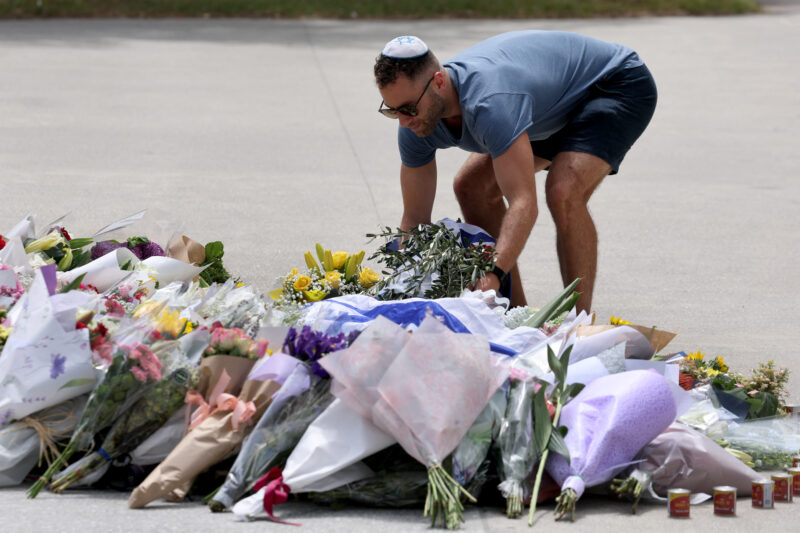
Australian Prime Minister Anthony Albanese announced a royal commission investigating antisemitism, following the terror attack targeting a Hanukkah celebration at Sydney’s Bondi Beach last month…
The board of the Adelaide Writers’ Week festival in Australia disinvited anti-Israel activist and writer Randa Abdel-Fattah, saying her participation in the event would “not be culturally sensitive” during what the board described as an “unprecedented time so soon after Bondi”; Abdel-Fattah’s disinvitation prompted the withdrawal of several participants who had been slated to speak at the festival…
Politico breaks down the significance of the U.S.-brokered meeting between senior Israeli and Syrian officials in Paris this week, during which the parties agreed to create communications channels to more effectively coordinate on security, diplomatic and commercial issues…
The United Arab Emirates ceased funding scholarships for citizens who plan to study in the U.K.; the cut comes amid frustration from Emirati officials over London’s refusal to designate the Muslim Brotherhood as a terrorist organization…
A new report from TRM Labs found that Iran’s Islamic Revolutionary Guard Corps used two U.K.-based cryptocurrency exchanges to move approximately $1 billion over the last three years…
The Wall Street Journal does a deep dive into a shadow fleet with ties to Russia, Iran, China and Venezuela that moves oil around the world in violation of international sanctions…
Pic of the Day

Ahmed al-Ahmed, the Syrian-born man who tackled and disarmed one of the two gunmen in the Bondi Beach terrorist attack in Sydney that killed 15 people, visited Capitol Hill on Thursday, his arm still in a sling after being shot twice.
“What I want to say for the whole world around everywhere, in America, Australia, England, everywhere in the world, we must stand by each other and stay united, and peace for everyone. That’s my message,” al-Ahmed told Jewish Insider in between meetings with officials including Senate Minority Leader Chuck Schumer (D-NY), House Speaker Mike Johnson (R-LA) and House Minority Leader Hakeem Jeffries (D-NY). Al-Ahmed was accompanied by Rabbi Yehoram Ulman (second from left), a Chabad leader in Sydney whose son-in-law was killed in the attack, and Rabbi Levi Shemtov (far left), the executive vice president of American Friends of Lubavitch. Al-Ahmed and Ulman also met jointly with Sens. Dave McCormick (R-PA) and John Fetterman (D-PA).
Birthdays
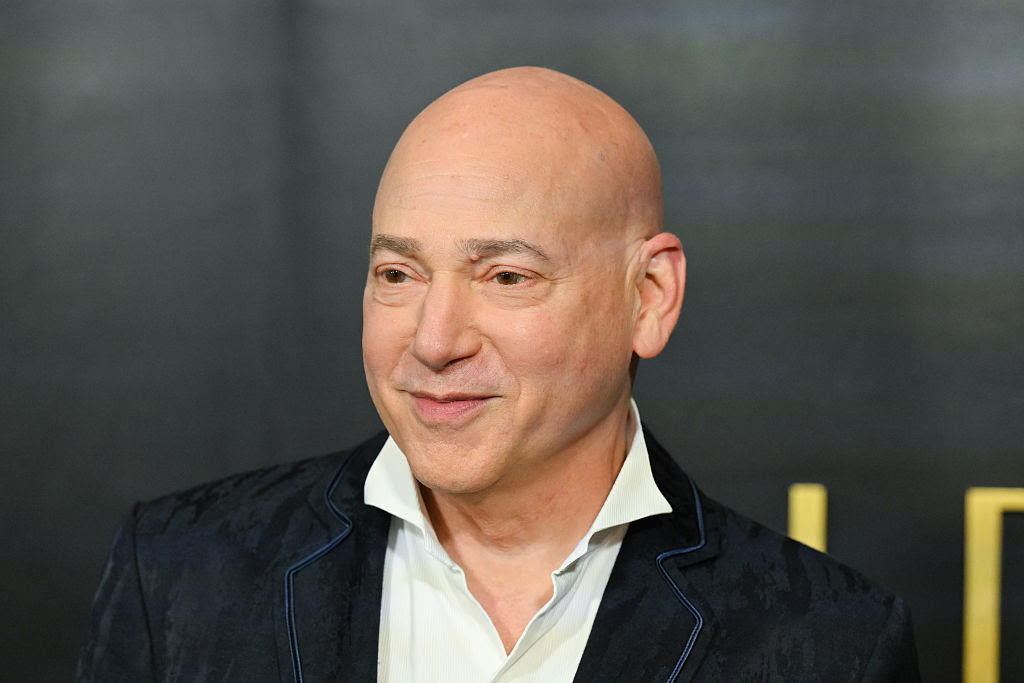
Actor with a recurring role in “Sex and the City” and author of two books on his recovery from acute myeloid leukemia, Evan Handler turns 65 on Saturday…
FRIDAY: Law professor at Georgetown University, Peter Edelman turns 88… Former member of the Swiss Federal Council and president of the Swiss Confederation in 1999, she is the first woman to ever hold this position, Ruth Dreifuss turns 86… Rabbi emeritus of Kehilath Israel Synagogue in Overland Park, Kan., Herbert Jay Mandl turns 81… Vice chairman of Gilbert Global Equity Partners, Steven Kotler… Pulitzer Prize-winning Supreme Court reporter for The New York Times for 40 years, she is now a lecturer and senior research scholar at Yale Law School Linda Greenhouse turns 79… Retired MLB umpire, he worked in 3,392 major league games in his 26-year career, his family name was Sklarz, Al Clark turns 78… Presidential historian, spokesman for the 9/11 Commission, and university lecturer, Alvin S. Felzenberg turns 77… Composer, singer, radio show host, and author, he has released seven albums under the name “Country Yossi,” Yossi Toiv turns 77… Actress, singer and songwriter, she is the half-sister of Barbra Streisand, Roslyn Kind turns 75… Australian author of more than 40 books of children’s and young adult fiction, including a five-book series about a 10-year-old Jewish boy in Nazi-occupied Poland, Morris Gleitzman turns 73… Former governor of the Bank of Israel from 2013 to 2018, Karnit Flug turns 71… International president of the Rabbinical Assembly, he is the rabbi of Beth El Synagogue in East Windsor, N.J., Rabbi Jay M. Kornsgold turns 61… Dean of the Bar-Ilan University law school, Michal Alberstein turns 57… Investment banker, Joel Darren Plasco turns 55… Justice of the High Court of Australia, James Joshua Edelman turns 52… Russian-born American novelist, journalist and literary translator, Keith A. Gessen turns 51… Filmmaker, she is the second lady of New York State, Lacey Schwartz Delgado turns 49… NFL insider and reporter for the NFL Network, Ian Rapoport turns 46… Chairman and CEO of Paramount Skydance and founder of Skydance Media, David Ellison turns 43… Israeli actress and model, best known for her role as Nurit in “Fauda,” Rona-Lee Shimon turns 43… Director of development and community relations at Manhattan Day School, Allison Liebman Rubin… Pulitzer Prize-winning staff writer at The New Yorker, Ben Taub turns 35… Enterprise account executive at Built, Madeline Peterson… Television and film actress, Nicola Anne Peltz Beckham turns 31…
SATURDAY: Physician and medical researcher, Bernard Salomon Lewinsky turns 83… Editor and publisher of Denver’s Intermountain Jewish News, historian and teacher of the Mussar movement, Rabbi Hillel Goldberg turns 80… President of the Combined Jewish Philanthropies of Greater Boston for 30 years, now a professor at Brandeis, Barry Shrage turns 79… Former President of the Supreme Court of the United Kingdom, Baron David Edmond Neuberger turns 78… Musician, singer-songwriter and co-founder of the Rock & Roll Hall of Fame band Steely Dan, Donald Fagen turns 78… World-renowned Israeli cellist, he has over 50 recordings on the Deutsche Grammophon label with many top orchestras, Mischa Maisky turns 78… U.S. senator (R-MO) from 2011-2023, Roy Blunt turns 76… Long-time editor at Bantam Books, Simon & Schuster and Crown Publishers, Sydny Weinberg Miner… Retired executive director at Beta Alpha Psi, the international honor society for accounting students, Hadassah (Dassie) Baum… Founder and CEO at Los Angeles-based Quantifiable Media and Tel Aviv-based Accords Consulting, Rose Kemps… Fellow for Religious Freedom at the Forum, Richard Thomas Foltin… Professor of American Jewish history at Brandeis University, he taught his last class in December 2024, Jonathan D. Sarna turns 71… President and CEO of the Nellis Management Company and past president of The Jewish Federation of Greater Washington, Mark A. Levitt turns 70… Majority owner of the NBA’s Golden State Warriors, Joe Lacob turns 70… Member of the Knesset for the United Torah Judaism party, Uri Maklev turns 69… U.S. senator (D-MD), Chris Van Hollen turns 67… Member of the U.K.’s House of Lords and advisor to the government on antisemitism, Baron John Mann turns 66… Theatrical producer, playwright and director, Ari Roth turns 65… Vice chair of the Jewish Federation of Greater Naples, Beth Ellen Wolff… Author and journalist best known for his novels Gangster Nation, Gangsterland and Living Dead Girl, Tod Goldberg turns 55… Member of the Knesset for Likud, Galit Distel-Atbaryan turns 55… Film director and screenwriter, Joe Nussbaum turns 53… Caryn Beth Lazaroff Gold… Private equity executive and unofficial troubleshooter for the Trump administration, Jared Kushner turns 45… Communications manager for Ford Motor Company, Adam David Weissmann… Former spokesperson on terrorism and financial intelligence at the U.S. Treasury, Morgan Aubrey Finkelstein… Israeli rapper, singer and songwriter, Michael Swissa turns 30… Andrew Tobin… Debbie Seiden…
SUNDAY: Psychologist and the author of 27 books, he lectures at NYU, Michael Eigen turns 90… Retired judge on the U.S. Court of Appeals for the 7th Circuit in Chicago, author of 40 books on jurisprudence and economics, Richard Posner turns 87… Violinist and music teacher, Shmuel Ashkenasi turns 85… Film, television and theater director, best known for his TV series “Full House” and “Family Matters” and his films “My Big Fat Greek Wedding” and “Fat Albert,” Joel Zwick turns 84… Las Vegas resident, Stephen Norman Needleman… Economist and professor of banking at Columbia University, he was a member of the Board of Governors of the Federal Reserve System, Frederic Stanley “Rick” Mishkin turns 75… Noted gardener and florist, Lynn Blitzer… Professor of medicine at Harvard Medical School and chief of experimental medicine at Beth Israel Deaconess Medical Center, he is the author of five books, Dr. Jerome E. Groopman turns 74… Former member of the Canadian House of Commons, Susan Kadis turns 73… Former director general of Israel’s Ministry of Foreign Affairs, Avi Gil turns 71… CEO of Sense Education, an AI company, Seth Haberman turns 66… Attorney, author, speaker and activist, Brian Cuban turns 65… Partner at Magnolia Marketing LLC, Alan Franco… Rabbi at Beth Avraham Yoseph of Toronto (BAYT), Rabbi Daniel Korobkin turns 62… Former National Hockey League player for 12 seasons with the Vancouver Canucks, Calgary Flames and San Jose Sharks, Ronald “Ronnie” Stern turns 59… Actress, socialite and reality television personality, Kyle Richards Umansky turns 57… Defensive tackle in the Canadian Football League for 12 seasons, he is a co-owner at Vera’s Burger Shack based in Vancouver, B.C., Noah Cantor turns 55… Film, stage and television actress, Amanda Peet turns 54… Hockey coach, he is a former goaltender with the NHL’s Phoenix Coyotes, he also played in six other leagues, Josh Tordjman turns 41… Member of the Knesset for the Democrats party, Naama Lazimi turns 40… Executive chef and restaurateur, Yehuda Sichel… VP and head of strategic partnerships at Penzer Family Office, Michal (Mickey) Penzer… French-American actress, Flora Cross turns 33… Director of football strategy and assistant quarterbacks coach for the Baltimore Ravens, Daniel Stern turns 32… Founder when she was just 12 years old of Nannies by Noa, Noa Mintz turns 25…