



























































JD Vance links youth antisemitism to immigration, demographics of Gen Z
‘I would say there’s a difference between not liking Israel (or disagreeing with a given Israeli policy) and anti-semitism,’ the vice president added

JONATHAN ERNST / POOL / AFP
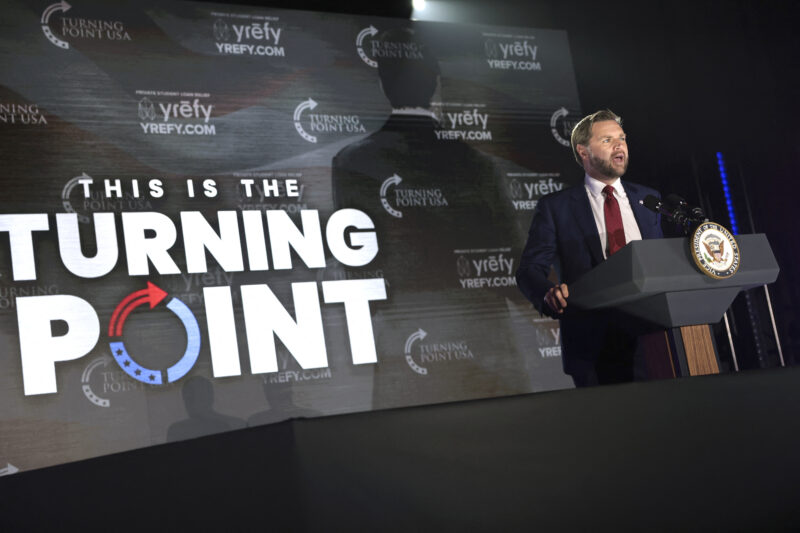
Vice President JD Vance speaks during a Turning Point USA event at the University of Mississippi, in Oxford, Mississippi, October 29, 2025.


 Add JewishInsider on Google
In a series of social media posts, Vice President JD Vance linked data finding increased antisemitism among young people on both sides of the aisle to immigration, and said that there is a difference between “not liking Israel” and being antisemitic.
Responding to excerpts from an Atlantic story highlighting the increase in antisemitic attitudes among young people, Vance said, “Mainstream journalism is just profoundly uninteresting and lame, consumed by its own pieties.”
“To write an article about the ‘generational divide’ in anti-semitism without discussing the demographics of the various generations is mind boggling,” Vance continued.
He blamed the increase in antisemitism on immigration and the demographic makeup of younger Americans.
“‘We imported a lot of people with ethnic grievances prior generations didn’t have. We celebrated this as the fruits of multiculturalism. Now we’re super surprised that the people we imported with ethnic grievances still have those ethnic grievances,’” Vance wrote, arguing that “the most significant single thing you could do to eliminate anti-semitism and any other kind of ethnic hatred is to support our efforts to lower immigration and promote assimilation.”
He concluded, “these guys won’t do that, because they all lack curiosity and introspection,” Vance continued.
He also linked to an analysis cited by Manhattan Institute fellow Charles Fain Lehman supporting those conclusions, indicating that foreign origin is more closely correlated to antisemitism than age or ideology.
Responding to a reply from a right-wing influencer who stated that “White conservative zoomers don’t really like Israel anymore either, JD,” Vance said, “I would say there’s a difference between not liking Israel (or disagreeing with a given Israeli policy) and anti-semitism.”
The comments are some of Vance’s first and most notable following the divisions on the right over rising antisemitism in the conservative movement. Vance, who many see as a leader among younger and “New Right” elements of the GOP, had largely avoided engaging in the debate until now.
More Stories

COMMUNITY CONCERN
Jewish leaders, lawmakers, scramble to protect synagogues amid threatening anti-Israel protests

data diaries
New Yale Youth poll finds Gen Z fueling rise in antisemitic views
chant controversy
Zohran Mamdani says ‘globalize the intifada’ is expression of Palestinian rights

AI ALERT
ADL study finds leading AI models generate extremist content after antisemitic prompts

Fashion Faux Pas?
Anna Wintour mingles with Qatari royal who glorified Hamas’ slain leader