















































Bipartisan, bicameral bill pushes for assessment of whether China is violating Iran sanctions
Recent FDD reports found that Iranian oil exports have remained near peak levels in spite of U.S. sanctions, which the think tank attributed to a failure of enforcement
Florence Lo-Pool/Getty Images
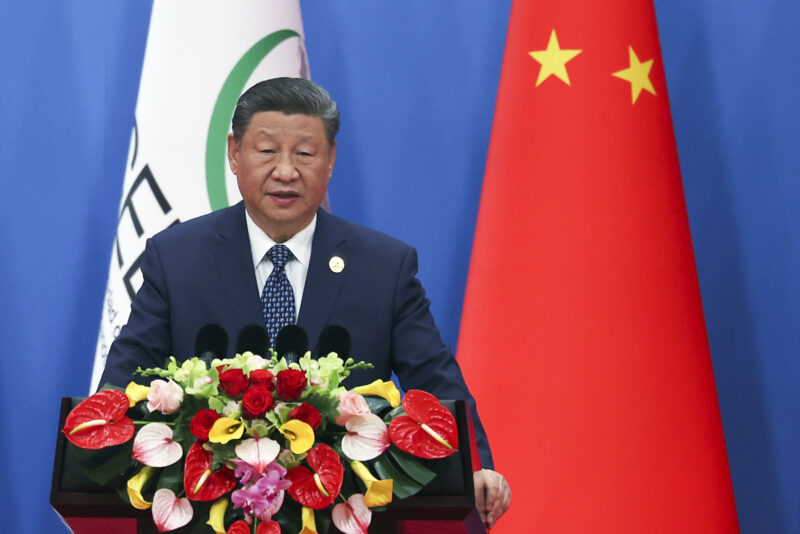
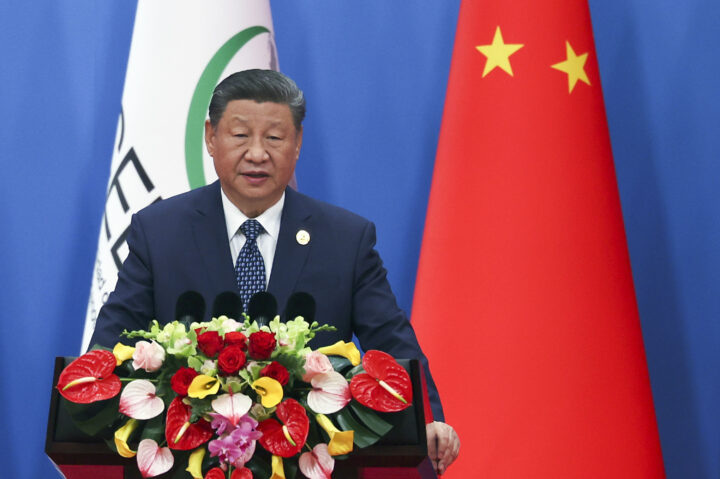
Chinese President Xi Jinping speaks at the opening ceremony of the China-CELAC Forum ministerial meeting at The Great Hall of People on May 13, 2025 in Beijing, China.


 Add JewishInsider on Google
A new bipartisan and bicameral bill is pushing for greater accountability and transparency on China’s violations of U.S. oil sanctions on Iran.
China is the largest importer of Iranian oil, in spite of the sweeping U.S. sanctions regime targeting the Iranian oil and gas industry, as well as newer sanctions that target importers of that oil, which have been recently applied to some firms in China.
Recent reports by the Foundation for Defense of Democracies have found that Iran oil exports, primarily to China, have remained near their peak level in spite of U.S. sanctions, which FDD has attributed to a “failure of U.S. sanctions enforcement.”
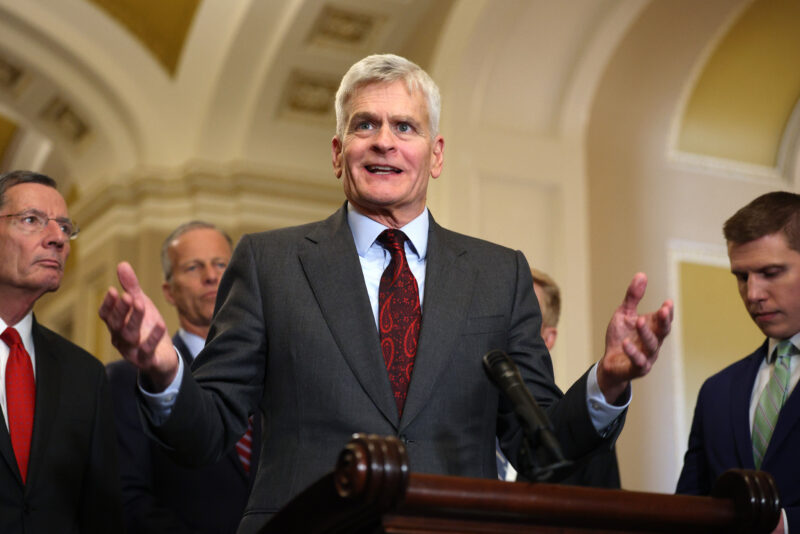
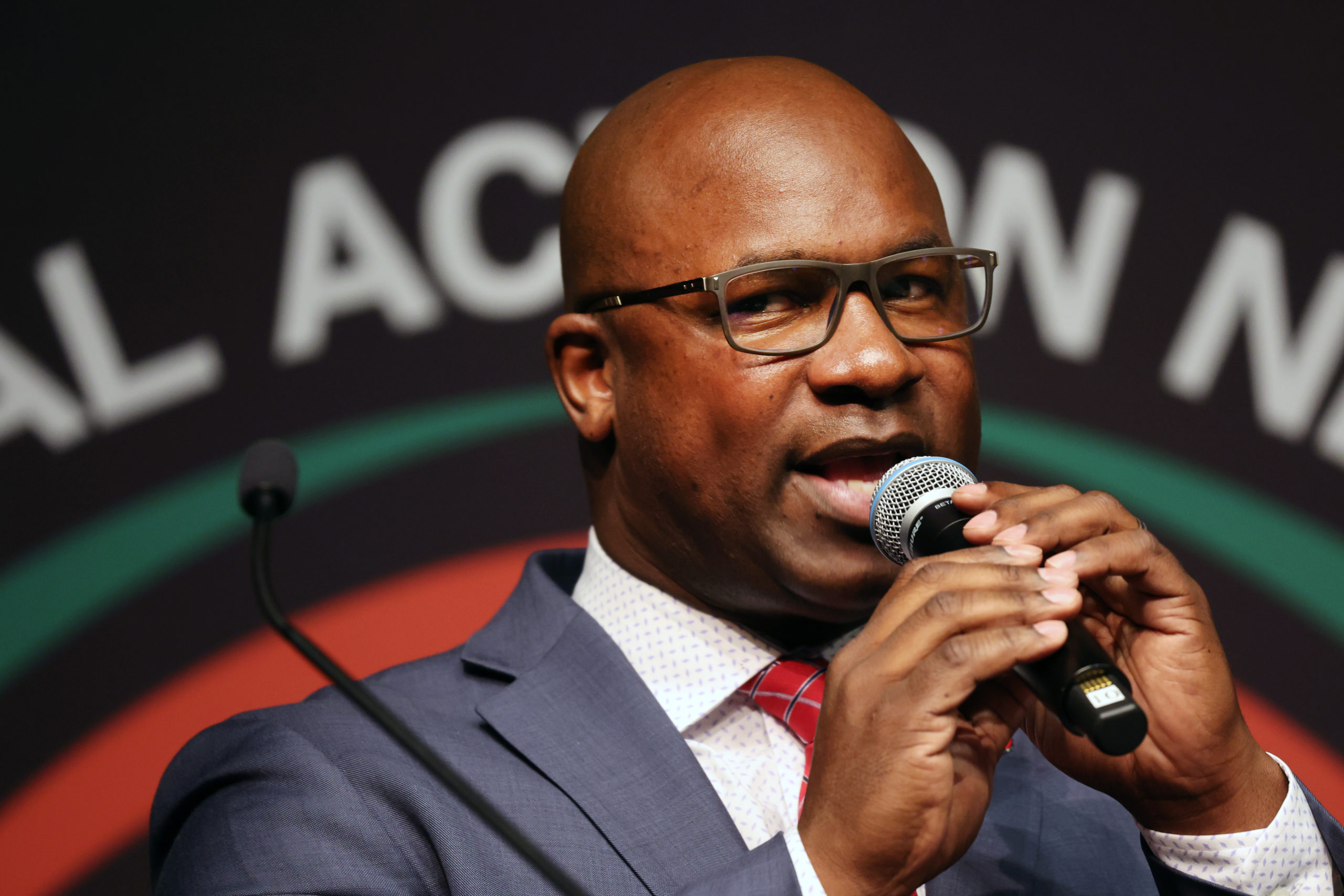
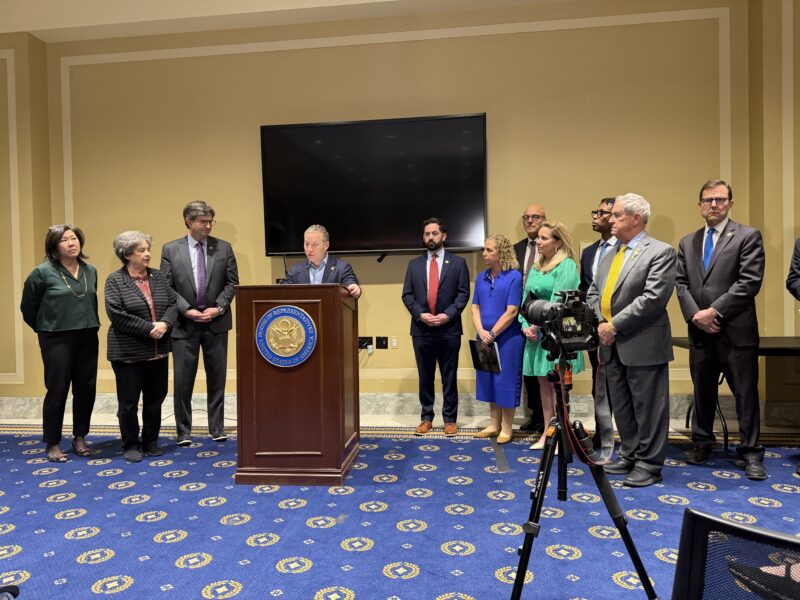
The new bill, led by Sens. Richard Blumenthal (D-CT) and Lindsey Graham (R-SC) and Reps. Raja Krishnamoorthi (D-IL) and Ben Cline (R-VA), requires the administration, within a year of the bill’s passage, to determine whether the People’s Republic of China is conducting sanctionable activities with regard to Iran.
In advance of that determination, the bill requires the administration to report to Congress within 180 days on China’s purchases of Iranian oil, including how China is using shell companies and other methods to dodge sanctions, as well as on Chinese efforts to sell or transfer chemical precursors to Iran to support its ballistic missile program.
Recent reports have found that Iran has been importing materials from China to rebuild its ballistic missile program, an effort that has prompted concern on Capitol Hill.
“China’s growing purchases of Iranian oil and its support for Iran’s ballistic missile program are not just violations of U.S. sanctions—they are direct threats to regional stability and to our allies,” Krishnamoorthi said in a statement, adding that the legislation “gives Congress the intelligence and transparency needed to expose how the PRC enables Iran’s most dangerous activities.”
“By bringing these transactions into the light, we strengthen our ability to enforce sanctions and hold malign actors accountable,” Krishnamoorthi continued.
Krishnamoorthi is mounting a bid for the U.S. Senate in his home state.
“China’s continued purchases of Iranian oil and its role in enabling Iran’s missile program to pose a direct threat to U.S. national security and to the stability of our allies in the Middle East,” Cline said. He called the legislation and the reporting it requires “a necessary step toward exposing how the PRC uses shell companies, transshipment schemes, and other avenues to evade sanctions.”
“This report will give Congress and the Treasury Department the insight needed to strengthen enforcement, close loopholes, and ensure that hostile regimes, and those who bankroll them, are held accountable,” Cline continued.
Blumenthal said that China’s purchases of oil are “providing significant financial support for Iran’s terrorist activities in the Middle East and beyond.”
“Transparency is the first step towards accountability, which is why our bill would require a full report on China’s oil and ballistic missile-related transactions with Iran. This information will support robust sanctions enforcement and provide a path forward for additional legislative action,” Blumenthal said.
Graham called the bill “the first step in fully understanding how China and other nations prop up the Ayatollah’s war machine.”
More Stories

analysis
Josh Shapiro and the politics of faith
WATERED DOWN
House amendment to Muslim Brotherhood bill removes key terrorism designation, sanctions provisions

COMMUNITY CONCERN
Jewish leaders, lawmakers, scramble to protect synagogues amid threatening anti-Israel protests
eye on the prize
Virginia lawmaker with history of anti-Israel rhetoric eyes 2026 congressional run

AI ALERT
ADL study finds leading AI models generate extremist content after antisemitic prompts