




































Middle East experts offer options for U.S. intervention in Iran
Joel Rayburn, a former Trump admin nominee, said the U.S. should carry out a sustained ‘campaign’ of pressure
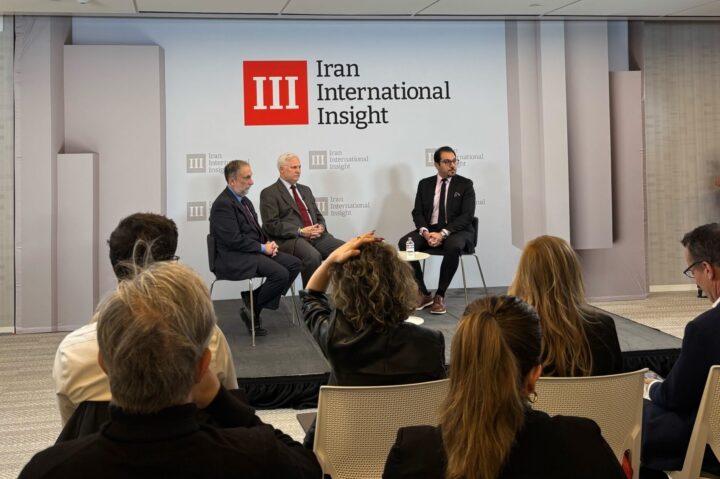
Matthew Shea
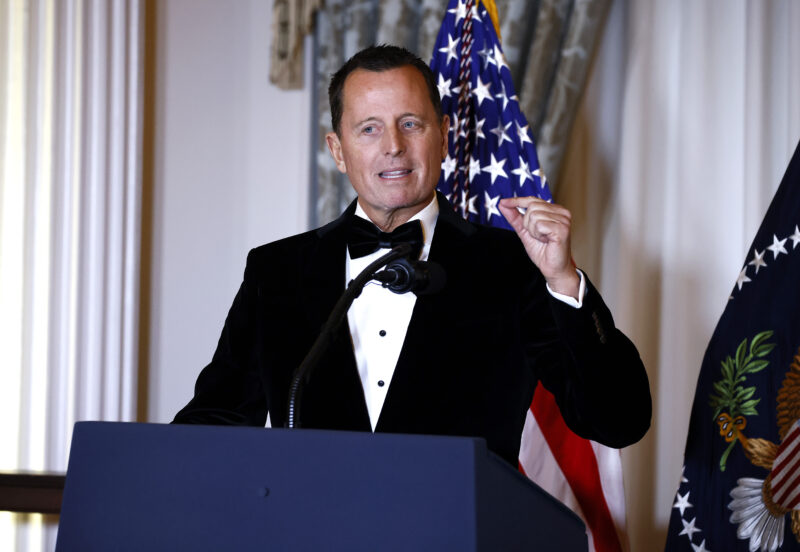
Iran International event, Jan 14th. 2025


 Add JewishInsider on Google
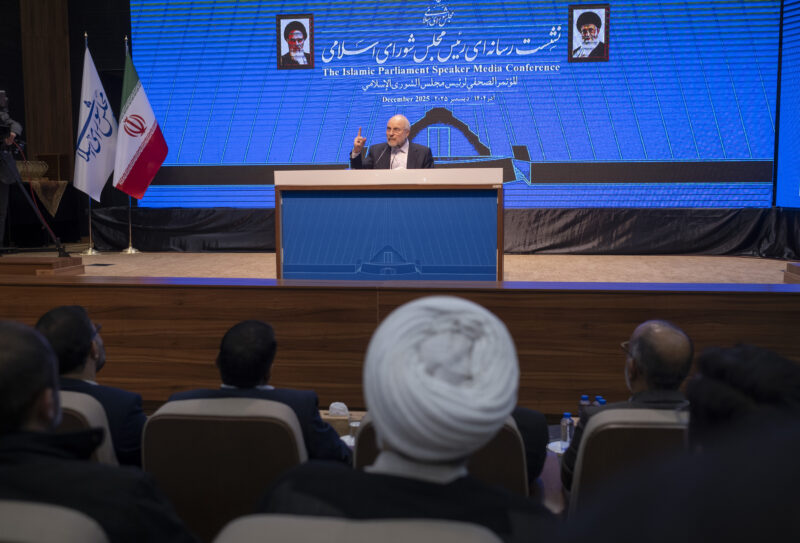
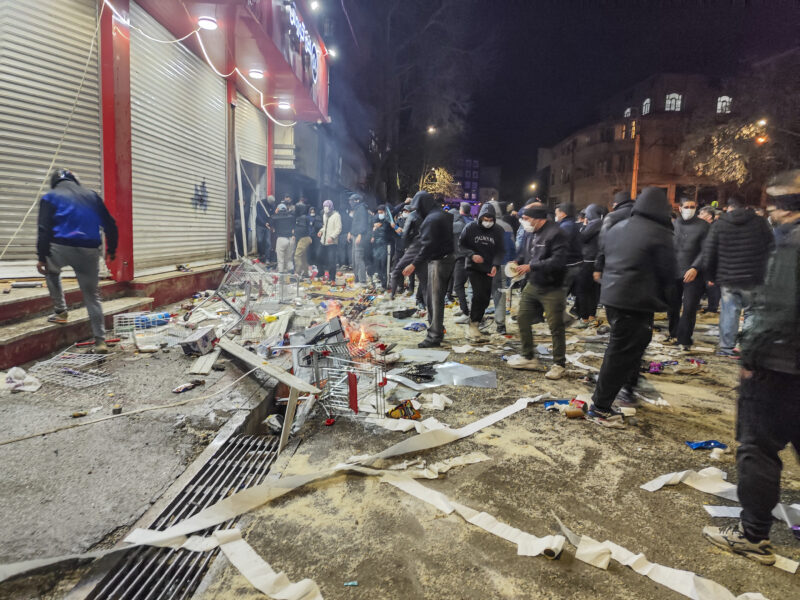
Middle East policy experts argued on Wednesday that the United States should actively intervene in Iran’s unrest — including through cyber measures, economic pressure and potentially military strikes — amid the regime’s crackdown on nationwide protests. The comments were made during a program hosted by Iran International, one of the largest independent Persian-language news outlets in the world.
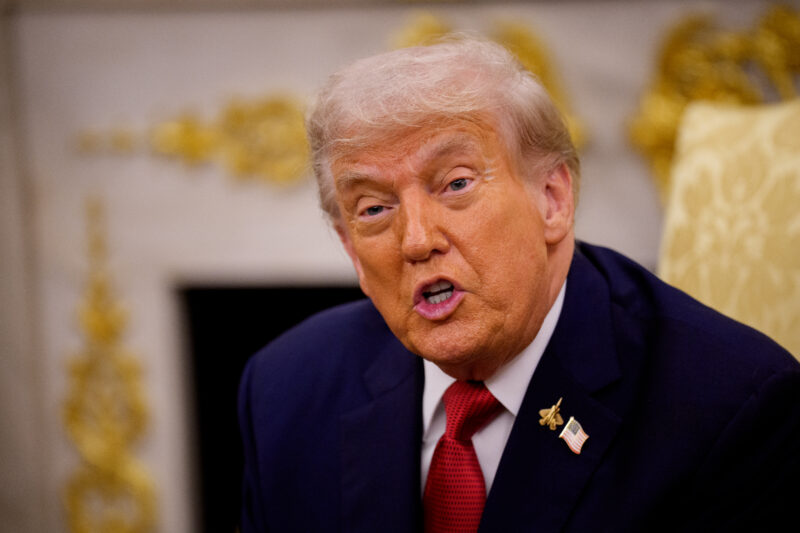
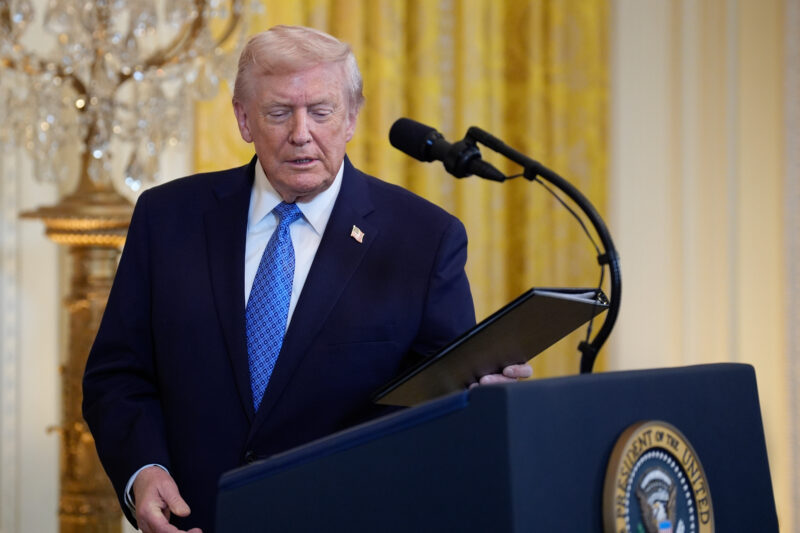
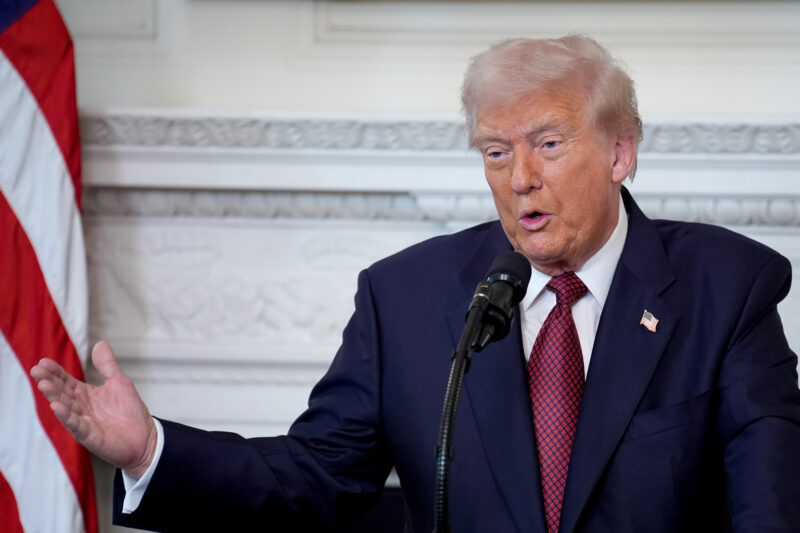
President Donald Trump has for days issued repeated warnings to the regime that the U.S. is “watching closely” and that Iran would “pay hell” for killing protesters. On Wednesday afternoon, however, the president said he had been notified that the “killing in Iran is stopping” and that Iran would not be conducting executions of protesters, as was expected, and downplayed the severity of protester deaths.
“The first thing I would recommend is that we use our very impressive capabilities to shut down the communication system for the government,” said Robert Satloff, executive director of The Washington Institute for Near East Policy, speaking of a potential retaliation for the regime’s decision to cut internet access to the public. “This will be a huge step.”
Satloff said if that did not work, he would then support subsequent U.S. strikes on Iranian military infrastructure.
“If that first act does not bring about a substantial change in Iranian behavior, then I would target very specifically the barracks and the facilities of the IRGC [Iranian Revolutionary Guard Corps],” said Satloff.
Joel Rayburn, a senior fellow at the Hudson Institute and a former diplomat in the Middle East, argued that any U.S. intervention in Iran should not be a “one-off military strike,” but rather a sustained “campaign” of economic and political pressure.
Rayburn was tapped by the White House to be assistant secretary of state for Near Eastern affairs in February 2025, however, his nomination was ultimately pulled last October.
“We have to use all of the tools at our disposal,” Rayburn said Wednesday. “There’s no reason not to be fully implementing maximum pressure to pressure the Iranian regime in order to change its behavior.”
Responding to questions about whether a weak Iranian regime — in the midst of dire economic and political challenges — can survive the protests, Rayburn suggested it is bound to fall, stating that there will be a “day after this Khamenei regime,” referring to Iran’s supreme leader, and that he believes that day will come “sooner rather than later.”
“The Iranian regime is going to collapse at some point in the not-too-distant future,” said Rayburn. “[It] can no longer function as a state. The last function they can perform is to use violence against their own people. That means they are not a sustainable regime.”
Tehran has threatened to respond to any military action with retaliation against the U.S. and Israel. Satloff said the fall of the regime would be “an enormous strategic gain for Israel,” but noted that Jerusalem is “playing it quiet.”
“The Israelis have made at least the tactical decision, that since Donald Trump has been out front, that Donald Trump has drawn a line in the sand, let Donald Trump be the key actor right now,” said Satloff. “There is no comparative advantage for Israel to be out in front in any military fashion. Let the United States play this role, the president seems to have embraced it.”
He also cast doubt on the likelihood that Tehran would strike Israel in response to U.S. action. Reports have indicated that Iran and Israel have conveyed reassurances through Russian intermediaries that neither side intends to carry out a preemptive strike.
“If the Iranians make the mistake of retaliating against Israel or Israeli assets, or Jewish assets around the world, there will be a very high price to pay,” said Satloff.
Analysts also weighed in on reports that Gulf allies have been lobbying the Trump administration to refrain from striking or intervening in Iran, warning that a U.S. intervention could be ineffective and expose them to retaliation. While the analysts acknowledged those concerns, they argued that regional governments would ultimately like to see the regime fall.
“I don’t think there are any major frontline countries in the Gulf region that believe that the Iranian regime is a regime that they can live with indefinitely,” said Rayburn. “We have not seen real restraint from the Arab capitals to either U.S. or Israeli pressure against the Iranian regime. All of those capitals would be better off without the regime.”
Regardless of whether the U.S. intervenes, Satloff emphasized that any outcome is “ultimately an Iranian process and an Iranian decision.”
“This will be their [the Iranian people’s] revolution, if it happens,” said Satloff. “It will not be something that we trigger or engineer, but to help them to be able to assert their own wishes and desires for the future.”
More Stories

PLAYING AGAINST TYPE
Pat Ryan endorses Zohran Mamdani for New York City mayor
data diaries
New Yale Youth poll finds Gen Z fueling rise in antisemitic views
LAYING DOWN THE LAW
Trump: ‘Final documents are being drawn’ to designate Muslim Brotherhood as terrorist group

TEXAS TALK
Two Republicans condemned by Jewish groups looking to make comebacks in Texas
STANDING TOGETHER
New York Jewish community comes out in solidarity with Park East Synagogue at major rally