

















Syria-Israel strain sharpens
Plus, an interview with Yehuda Kaploun


 Add JewishInsider on Google
👋 Good Thursday morning!
In today’s Daily Kickoff, we interview Rabbi Yehuda Kaploun, the Trump administration’s nominee to be antisemitism envoy, about how he hopes to shape the role once confirmed, and look at Israeli concerns over the U.S. push for a Syria-Israel security agreement. We talk to Merrill Eisenhower about carrying on his great-grandfather’s legacy, and spotlight new bipartisan legislation seeking to address Chinese circumvention of Iran sanctions. Also in today’s Daily Kickoff: Rep. James Walkinshaw, Sen. David McCormick and Daniel Freedman.
Today’s Daily Kickoff was curated by Jewish Insider Executive Editor Melissa Weiss and Israel editor Tamara Zieve with assists from Danielle Cohen-Kanik and Marc Rod. Have a tip? Email us here.
What We’re Watching
- Secretary of Homeland Security Kristi Noem is testifying before the House Homeland Security Committee this morning during a hearing on “Worldwide Threats to the Homeland.”
- The House Foreign Affairs Committee’s subcommittee on Africa is holding a hearing this afternoon on the humanitarian crisis in Sudan.
- Elsewhere in Washington, historians Pamela Nadell and James Loeffler will speak about modern-day antisemitism at an event at the Capital Jewish Museum.
What You Should Know
A QUICK WORD WITH JI’S Lahav harkov
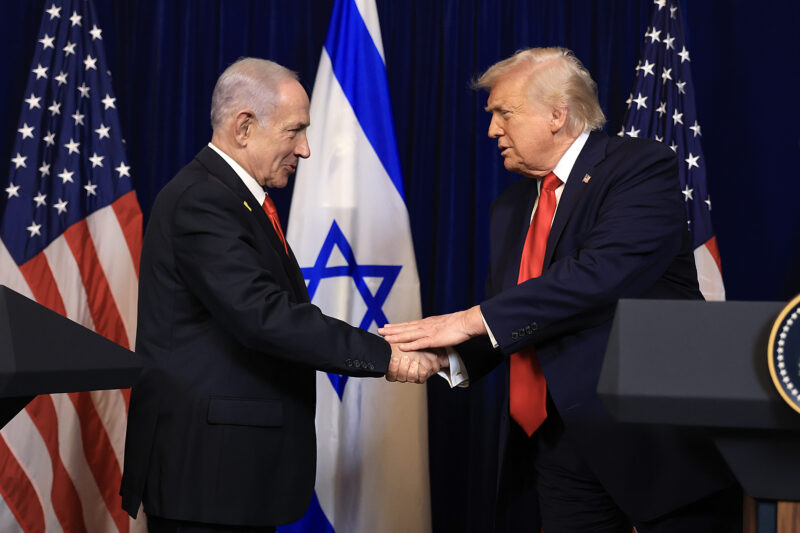
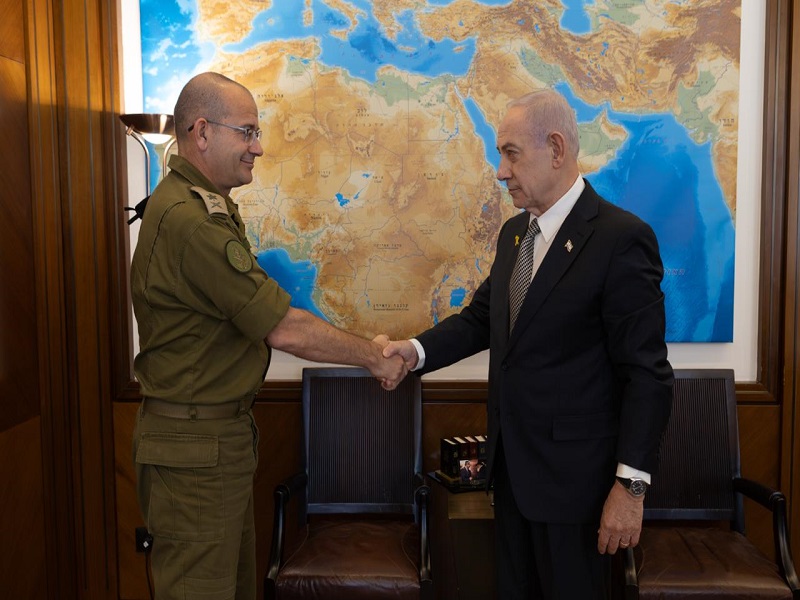
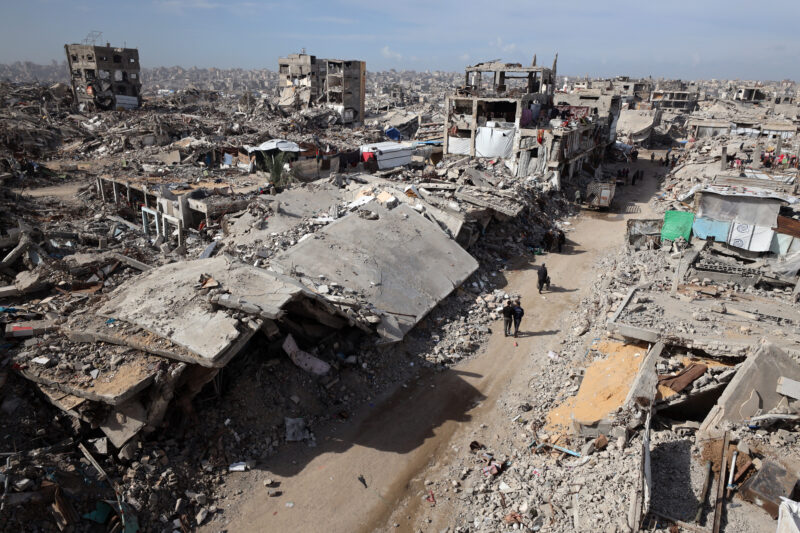
Tensions escalated between Washington and Jerusalem this week over Israel’s handling of Syria and negotiations for a possible agreement to renew the 1974 ceasefire between the two neighboring countries, with adjustments.
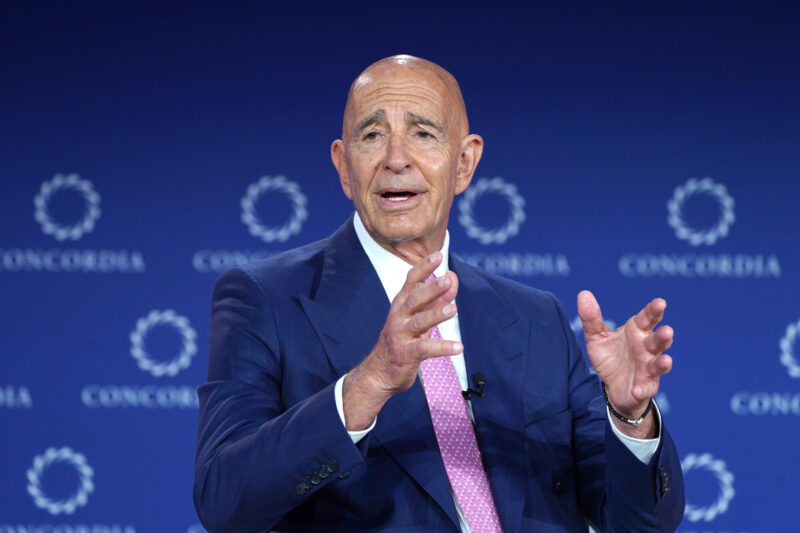
Speaking at The Jerusalem Post conference in Washington on Wednesday, U.S. Ambassador to Turkey Tom Barrack, who also serves as the Trump administration’s Syria envoy, said the time is ripe for Israel and Syria to reach an agreement: “It’s the easiest place to show the world a soft hand and bridge grievances.”
In Barrack’s telling, an agreement between Syria and Israel will only be possible with an immediate, complete Israeli withdrawal from the buffer zone between the countries. The IDF has held the 155-square-mile area since the fall of Syrian President Bashar Assad a year ago, and Israel has sought to withdraw incrementally and remain at the peak of Mount Hermon.
Instead, Barrack said, “Let’s not fight over geography. What we’re concerned about is we’re not going to let Oct. 7 happen ever again,” so the focus should be on demilitarizing the area south of Damascus. “Syria knows its future depends on a security and border agreement with Israel. Their incentive is non-aggressive toward Israel,” Barrack said. However, he added, “After Oct. 7, Israel doesn’t trust anybody. … The Syrians have been unbelievably cooperative.”
Israeli Foreign Minister Gideon Sa’ar, however, was skeptical in his remarks at the same event: “The gaps between us and Syria have widened. They have new demands. Of course, we want an agreement, but we are further from one now than we were a few weeks ago.”
“In [Israel’s] perspective, the problem is mistrust as well as hard security indicators,” Ahmad Sharawi, a research analyst at the Foundation for Defense of Democracies, told Jewish Insider’s Matthew Shea. “Southern Syria is awash with weapons, weapon trafficking routes and Iran-backed networks. At the same time, Israel is being asked to make concessions to a government led by a former Al-Qaida emir whose coalition still includes figures that praised the Oct.7 attacks and openly endorse armed resistance against Israel.” Read more here.
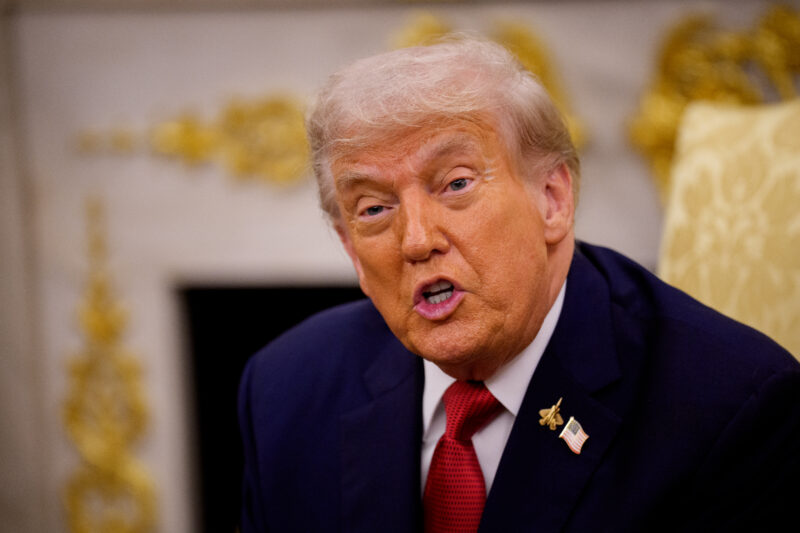
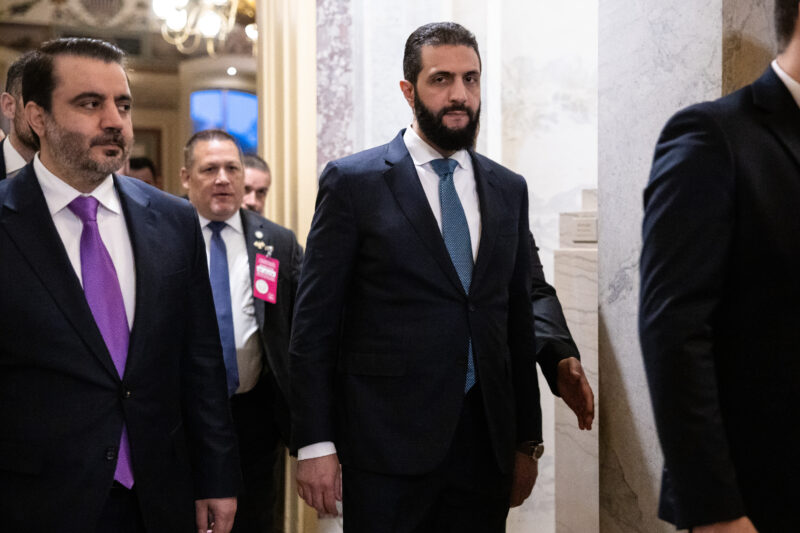
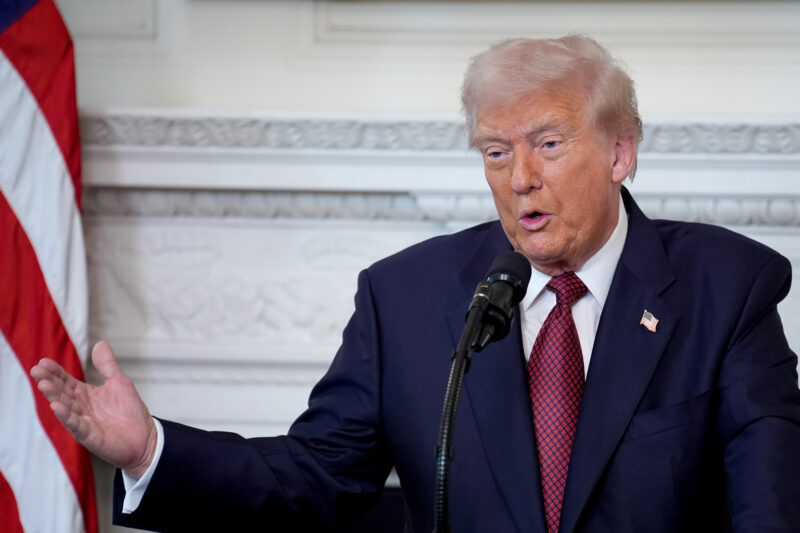
Since Syrian President Ahmad al-Sharaa toppled and replaced Assad, Israel has been extremely skeptical about the former leader of Syria’s branch of Al-Qaida, whom Sa’ar and others have branded a “terrorist in a suit.” The concerns have not dissipated over the course of the last year, even as President Donald Trump embraced al-Sharaa as a “young, attractive guy” with a “tough past” and dropped sanctions, Europe moved towards lifting sanctions, as well, and Abraham Accords countries have accepted him.
“The train has left the station; the whole world accepts al-Sharaa as the legitimate leader of Syria and is ignoring his jihadi background as well as that of the people heading his military – but we can’t ignore it,” Sarit Zehavi, founder and president of the Alma Research and Education Center, which focuses on Israel’s north, told JI.
Shira Efron, distinguished Israel policy chair and senior fellow at RAND, told JI that “the hilltops Israel is holding now in Syria, especially the Hermon, are really strategic, security-wise, and it doesn’t make sense to withdraw when you have a neighbor who is still unstable.”
THE FACTS FIGHT
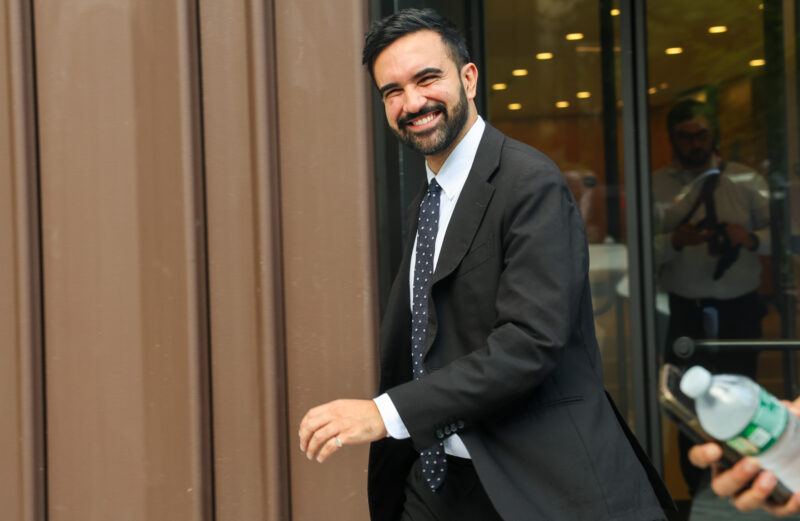
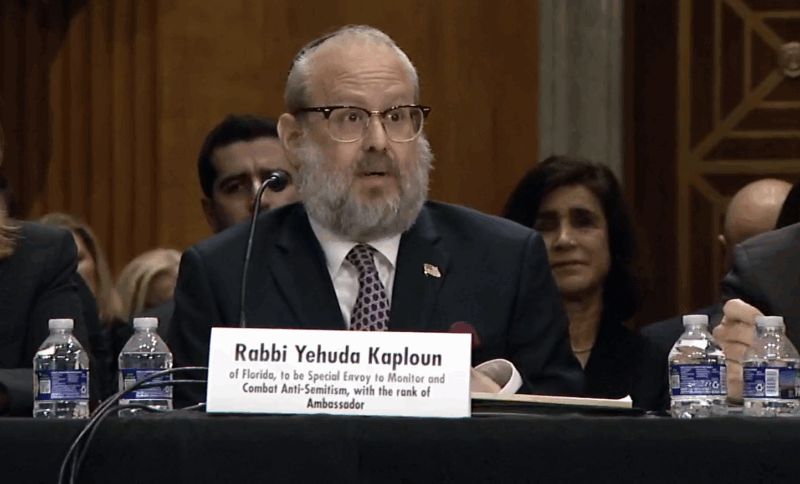
Antisemitism envoy nominee Yehuda Kaploun backs labeling misinformation on social media
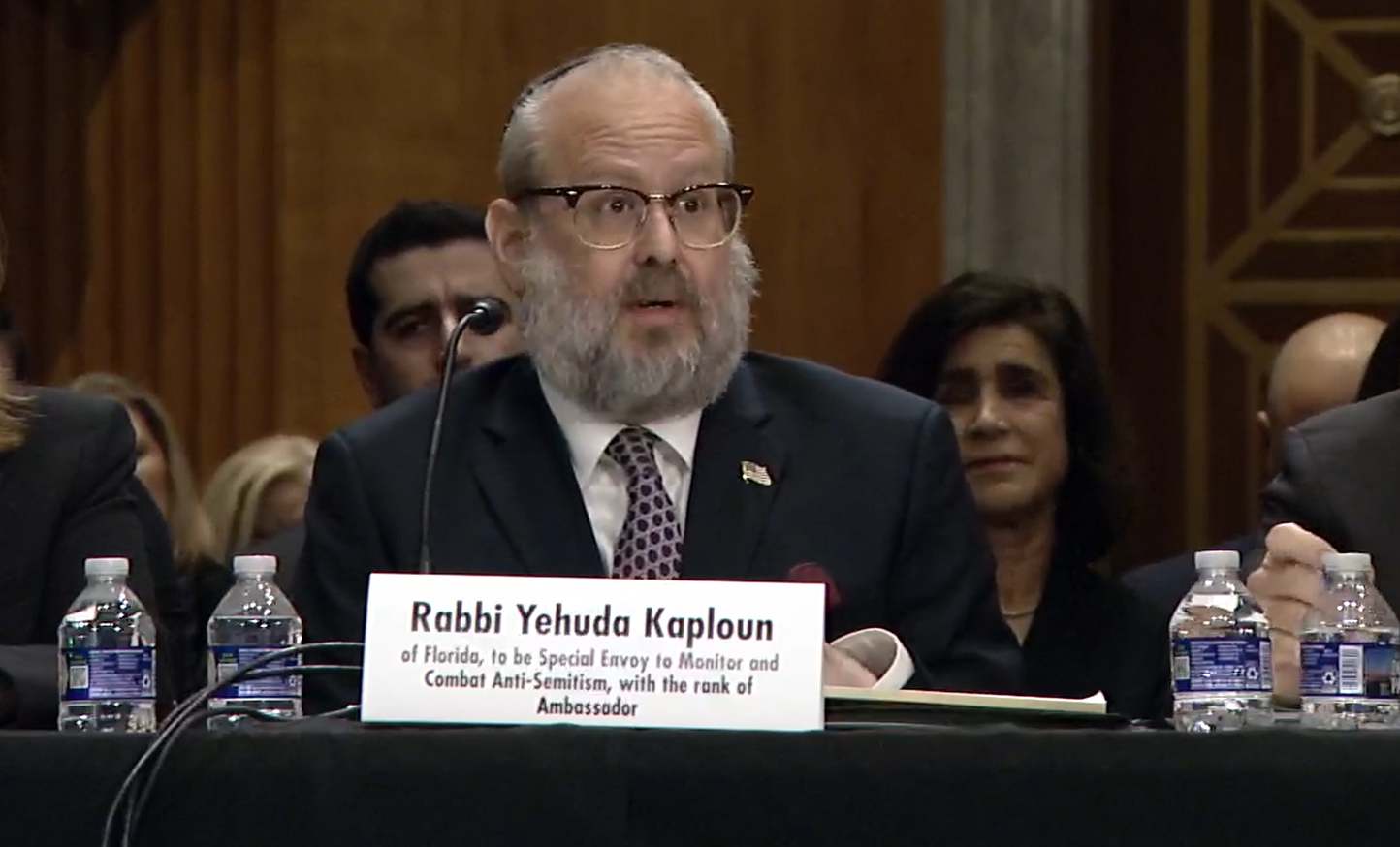
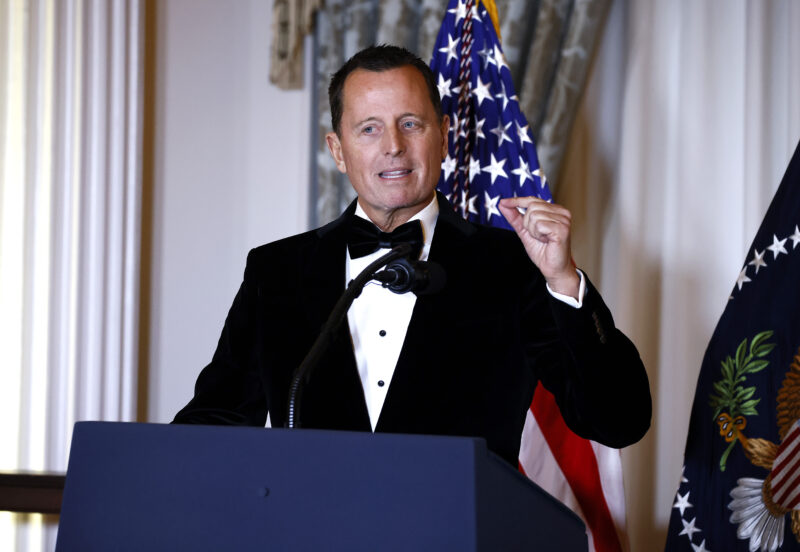
Rabbi Yehuda Kaploun, President Donald Trump’s nominee to serve as U.S. antisemitism special envoy, warned in an interview with Jewish Insider’s Gabby Deutch that inaccurate, inflammatory content is being allowed to spread on social media, and pledged to work with social networks to curb the spread of antisemitic falsehoods online. Kaploun spoke to JI on Wednesday, with his Senate confirmation vote for the State Department role expected this month before the holiday recess.
What he said: “The ideal outcome is, I want to continue America’s tradition of free speech and allowing free speech anywhere and everywhere, freedom of expression,” Kaploun said. “But I would like the platforms — because of the advent of AI and those technologies, you have the ability to recognize when something is not factually correct and it should be labeled as such. I think that’s something that we’d like to target.” His comments about working with social media platforms to label misinformation contradict the approach of the Trump administration, which has urged the major platforms not to “censor” information.
TERRITORY TALK
Lawmakers, witnesses spar over meaning of Trump’s veto of West Bank annexation
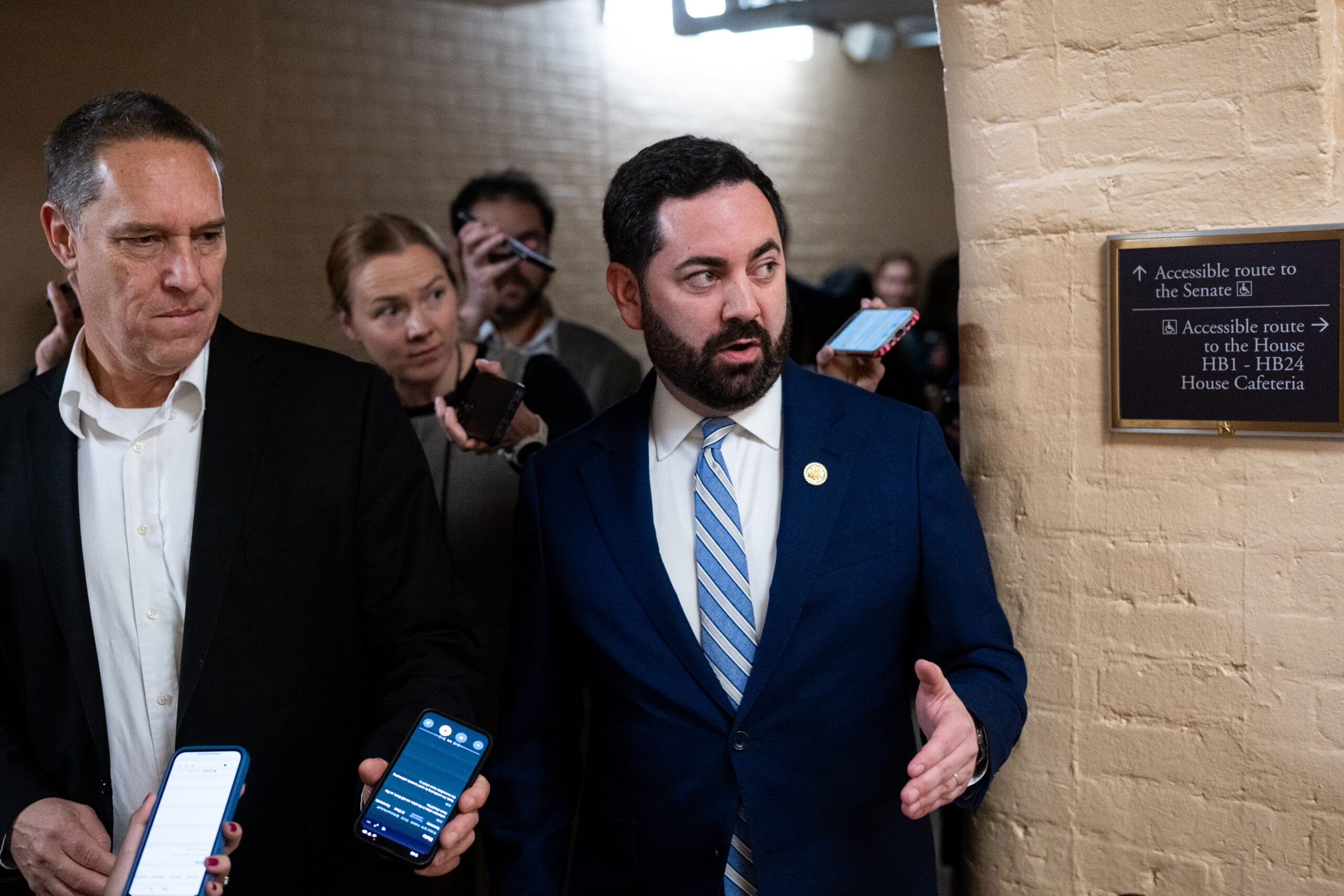
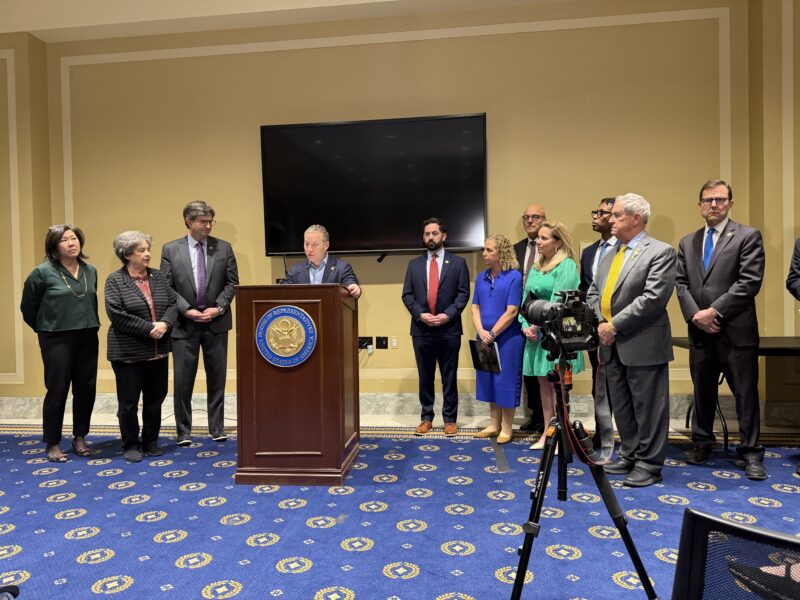
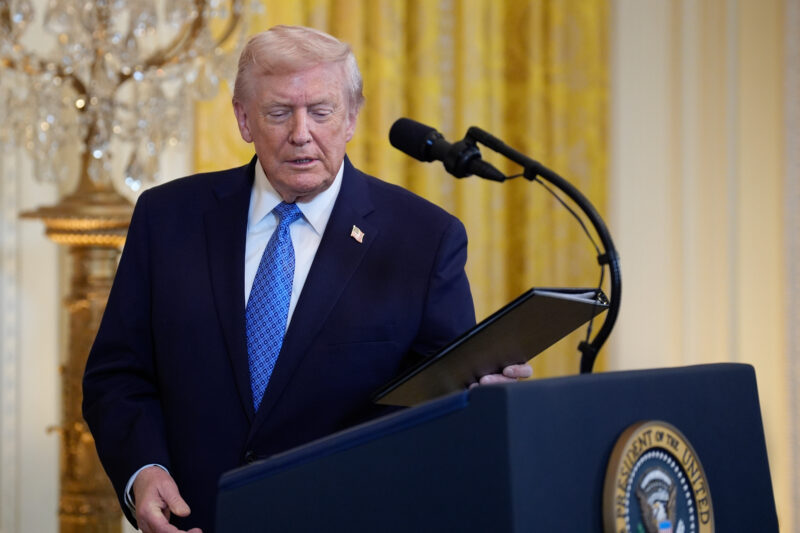
Members of the House Foreign Affairs Committee and expert witnesses on Wednesday debated the meaning and significance of President Donald Trump’s edict in September that he “will not allow Israel to annex the West Bank,” which came amid a reported effort earlier this year by the Israeli government to assert sovereignty over all or part of the territory, Jewish Insider’s Marc Rod reports.
Lay of the land: The at-times contentious hearing focused on “Understanding Judea and Samaria: historical, strategic and political dynamics in U.S.-Israel Relations,” referring to the biblical term for the West Bank preferred by members of the Israeli government and also used by Republicans on the Foreign Affairs Committee. Rep. Mike Lawler (R-NY), the chairman of the Foreign Affairs subcommittee on the Middle East, which hosted the hearing, asserted that Trump was only expressing his opposition to the annexation of territory not currently controlled by Israel. “When the president is talking about annexing, again, I think it’s important to actually look at the map,” Lawler said. “Sixty percent of the West Bank is under Israeli control.”
ON THE HILL
Bipartisan, bicameral bill pushes for assessment of whether China is violating Iran sanctions
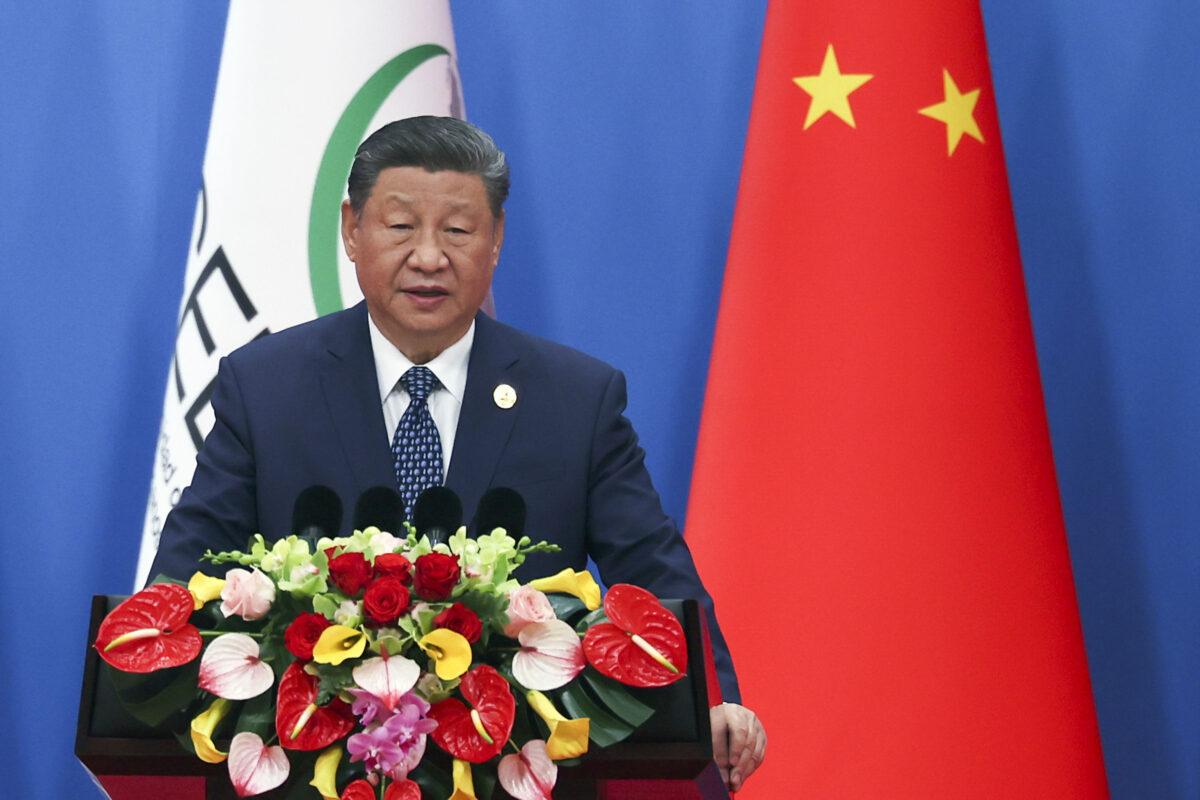
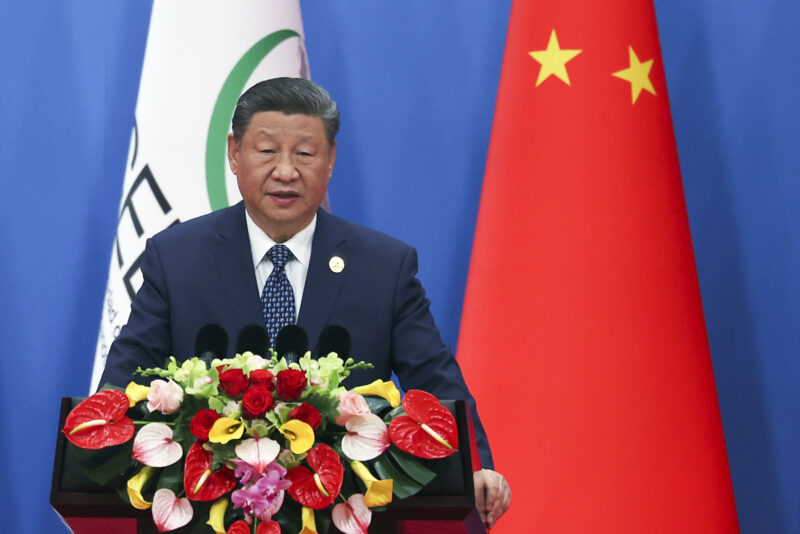
A new bipartisan and bicameral bill is pushing for greater accountability and transparency on China’s violations of the U.S.’ oil sanctions on Iran, Jewish Insider’s Marc Rod reports. Recent reports by the Foundation for Defense of Democracies have found that Iran oil exports, primarily to China, have remained near their peak level in spite of U.S. sanctions, which FDD has attributed to a “failure of U.S. sanctions enforcement.”
What it does: The new bill, led by Sens. Richard Blumenthal (D-CT) and Lindsey Graham (R-SC) and Reps. Raja Krishnamoorthi (D-IL) and Ben Cline (R-VA), requires the administration, within a year of the bill’s passage, to determine whether the People’s Republic of China is conducting sanctionable activities with regard to Iran. In advance of that determination, the bill requires the administration to report to Congress within 180 days on China’s purchases of Iranian oil as well as on Chinese efforts to sell or transfer chemical precursors to Iran to support its ballistic missile program.
virginia vows
Rep. James Walkinshaw wins warm reception from Jewish community after first few months on job
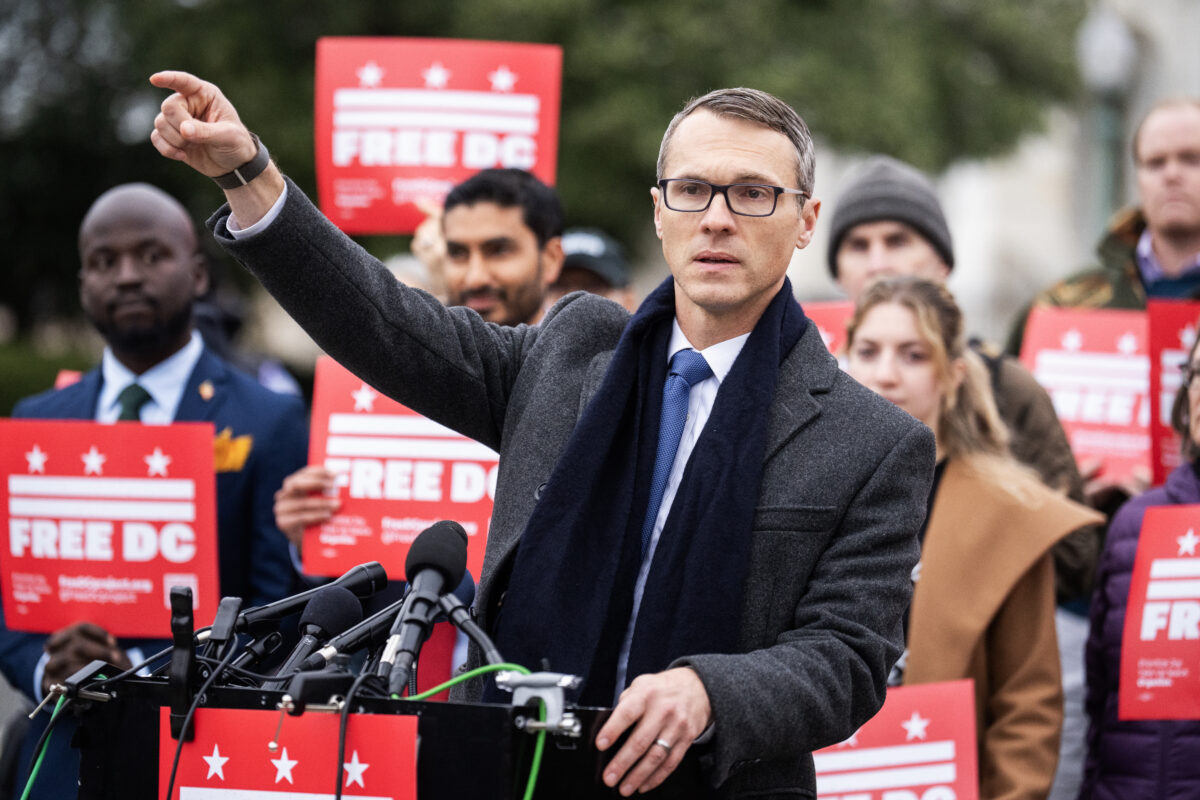
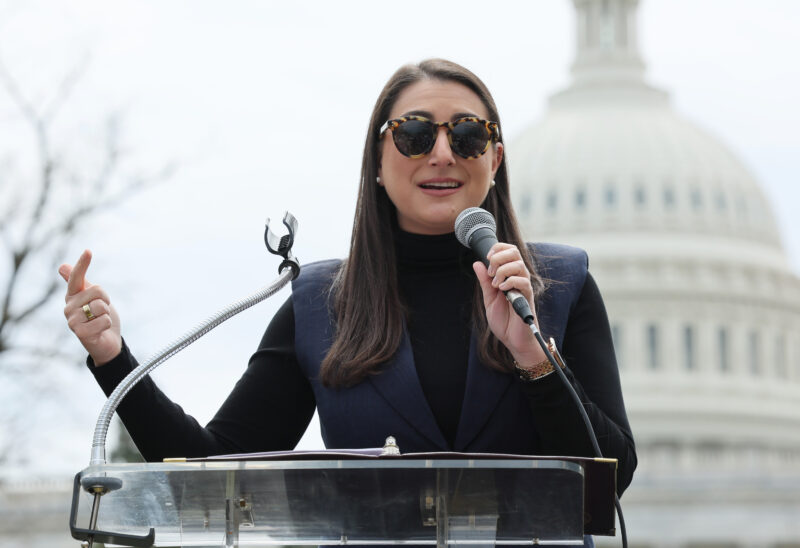
Rep. James Walkinshaw (D-VA) touted his history with local Jewish organizations and vowed to make combating antisemitism a priority in Congress while speaking to members of Northern Virginia’s Jewish community on Wednesday, Jewish Insider’s Emily Jacobs reports. Walkinshaw appeared at the Jewish Community Relations Council of Greater Washington’s “Lox and Legislators” breakfast in Falls Church, Va., where he lauded attendees for helping to “build communities in ways that make our communities better and stronger for all of us,” recounted his visits to the Fairfax community’s eruv and highlighted his relationships with Congregation Olam Tikvah and the JCRC.
Fighting antisemitism: Walkinshaw expressed concern about the rise in antisemitism nationally and in Virginia, vowing to fight for an increase in Nonprofit Security Grant Program funding for the next fiscal year and to urge the House Education and Workforce Committee to “take a holistic look at antisemitic incidents in school districts across the country,” something he penned a letter to Committee Chairman Tim Walberg (R-MI) about last month. “We have to be united. We have to be firm in our opposition to hatred in any form or opposition to antisemitism,” Walkinshaw said. “We can’t allow antisemitism to be a partisan issue. We have to stand against it, Democrats and Republicans, no matter where it takes place.”
LEGACY IN ACTION
Eisenhower’s great-grandson carries the torch for Holocaust remembrance
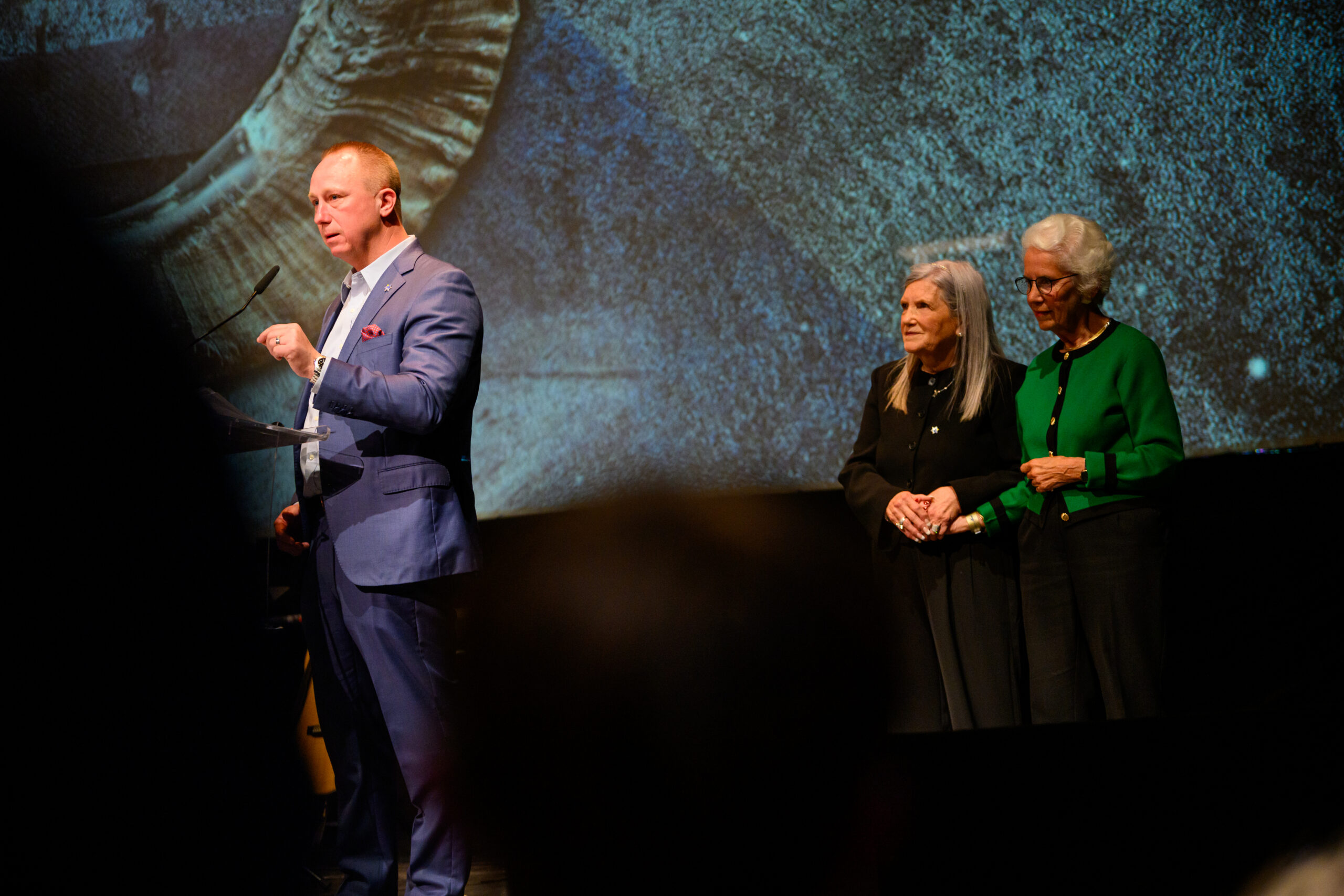
When he arrived at a Buchenwald subcamp in April 1945, Gen. Dwight D. Eisenhower was appalled by what he saw. The first to be liberated by U.S. troops, the camp was strewn with the decomposing remains of hundreds of prisoners murdered by the SS. Three days later, Eisenhower, the supreme commander of the Allied Expeditionary Force in Europe, wrote to U.S. Army Chief of Staff George C. Marshall saying, “I made the visit deliberately in order to be in a position to give first hand evidence of these things if ever, in the future, there develops a tendency to charge these allegations merely to ‘propaganda.’” Eighty years later, Eisenhower’s great-grandson, Merrill Eisenhower, the CEO of People to People International, is carrying the torch for Holocaust remembrance, as he seeks to ensure the world never forgets, Lianne Kolirin reports from London for Jewish Insider.
Predicting the future: “When my great-grandfather arrived at his first camp, he said directly to my grandfather: ‘Make sure you document this, take photos. Bring Congress, bring the press. One day there’s going to be some bastard that says this never happened.’” Sadly those words proved prophetic. Holocaust denial and distortion are surging around the world, including in the U.S. The haunting images are part of what motivates Eisenhower. “Those photos that he [his grandfather] was taking, some of those still sit in my house and some are in the National Archives and some are in the Eisenhower Presidential Library in Kansas,” he said.
Worthy Reads
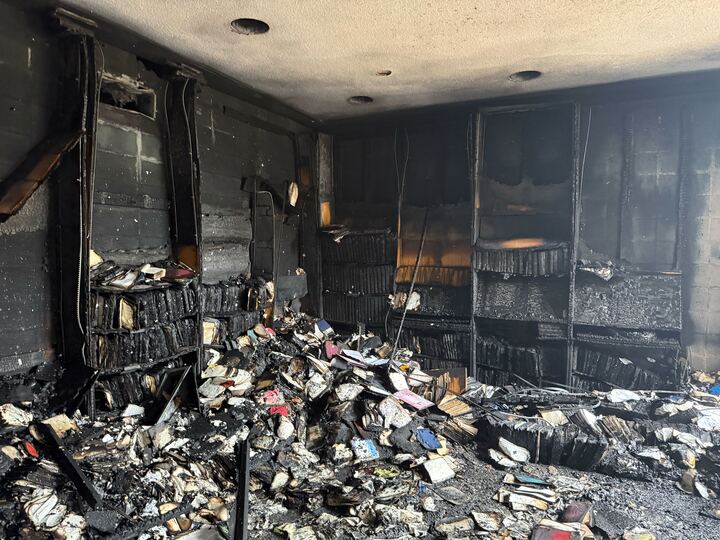
🕎 The Billings Beacon: In The Wall Street Journal, Daniel Freedman ties the upcoming Hanukkah holiday to the lessons learned from an antisemitic incident in Billings, Mont., more than three decades ago in which the community showed solidarity with a Jewish family whose home, which displayed a menorah, was attacked. “This solidarity cuts to the heart of Hanukkah. … The Maccabee warriors fought to worship God freely — a right that underpins the American experiment. When the non-Jews of Billings put up their menorahs, they were standing for religious liberty for all. The Talmud records a debate among rabbis after the Romans destroyed the holy Temple in the year 70: Should Hanukkah still be celebrated even though its physical center was gone? Their answer was yes. Hanukkah’s celebration of faith’s victory against even the mightiest adversary was central to its message and would inspire generations. It inspired the people of Billings more than 30 years ago, and it has inspired the Jewish people through some of their most trying times in history — from the Spanish Inquisition to the Holocaust.” [WSJ]
📢 Lessons in Leadership: In his Substack “Vahaviyotim,” Daniel Swartz reflects on the state of modern leadership and public service. “I often hear suggestions about how we might improve the quality of public sector leadership: Pay people more — like they do in Singapore. These well-intentioned ideas aren’t bad ones. But they won’t really do anything because they simply don’t change the incentive structure for a would-be leader. Currently, the value proposition for a well-intentioned public servant is this: Your kids’ lives will be a living hell. You’ll be hounded by self-righteous mobs — they’ll camp outside your home and house of worship and shout slogans at you at all hours. You’ll get credible death threats and actual attempts on your life. … The only way that we’ll be able to crowd out the masochists and the grifters is if we make it such that leadership doesn’t entail martyrdom — if we make it possible for critical masses of good people to go into public service, live their lives while in office, and then ride off peacefully into the sunset.” [Vahaviyotim]
Word on the Street
President Donald Trump is planning to appoint a two-star U.S. general to lead the International Stabilization Force in Gaza; the president said on Wednesday that he will announce the members of the newly created Gaza Board of Peace early next year…
Sen. David McCormick (R-PA) said at yesterday’s Aspen Security Forum event in Washington that he’s “hopeful” that the next phase of the ceasefire agreement between Israel and Hamas will proceed, arguing that Trump has “unique credibility” with both Israel and the Gulf states…
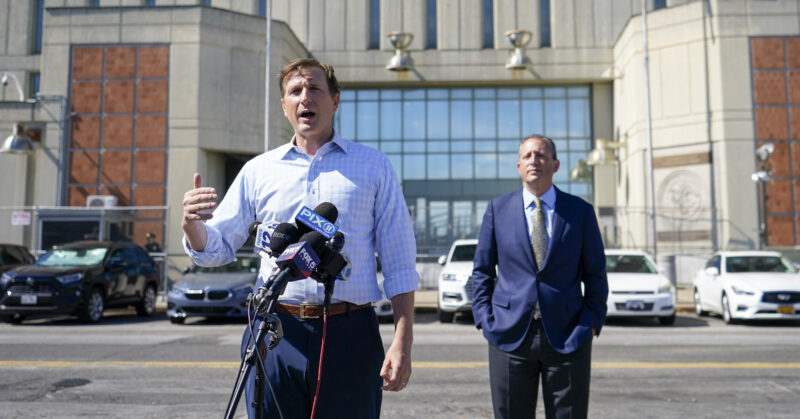
Following outgoing New York City Comptroller Brad Lander’s launch of a primary challenge to Rep. Dan Goldman (D-NY), J Street, which had previously endorsed Goldman, indicated it was unlikely to get involved in the primary, saying the organization “deeply value[s Goldman’s] pro-Israel, pro-peace and pro-democracy leadership in Congress,” while calling Lander “a vocal leader for our values”…
A group of Democrats from Colorado’s congressional delegation wrote to Secretary of Homeland Security Kristi Noem questioning the implementation and execution of the Nonprofit Security Grant Program, Jewish Insider’s Marc Rod reports…
Pomona College settled a Title VI complaint filed by a range of Jewish groups, including Hillel International, the Anti-Defamation League and the Brandeis Center for Human Rights Under Law, in which the school will adopt the International Holocaust Remembrance Alliance’s working definition of antisemitism, appoint a coordinator to ensure implementation of Title VI and update school policies related to speech and demonstrations…
The father of deceased Israeli hostage Noa Marciano said that the family received a video of Marciano allegedly being killed by a Palestinian doctor in Gaza’s Shifa hospital who injected air into her veins…
The Times of Israel reports that Palestinian American teenager Mohammed Ibrahim, who had been detained since February by Israeli authorities who alleged that he was throwing rocks at Israeli soldiers, was freed due to the intervention of Jared Kushner, who reached out to senior Israeli officials…
Taiwanese Deputy Foreign Minister Francois Wu reportedly quietly visited Israel, where the territory has an economic and cultural office, in recent months, as Taiwanese leaders concerned about a potential invasion by Beijing look to deepen defense partnerships…
Iceland became the fifth country to boycott next year’s Eurovision Song Contest, citing the decision to allow Israel to participate in the annual competition…
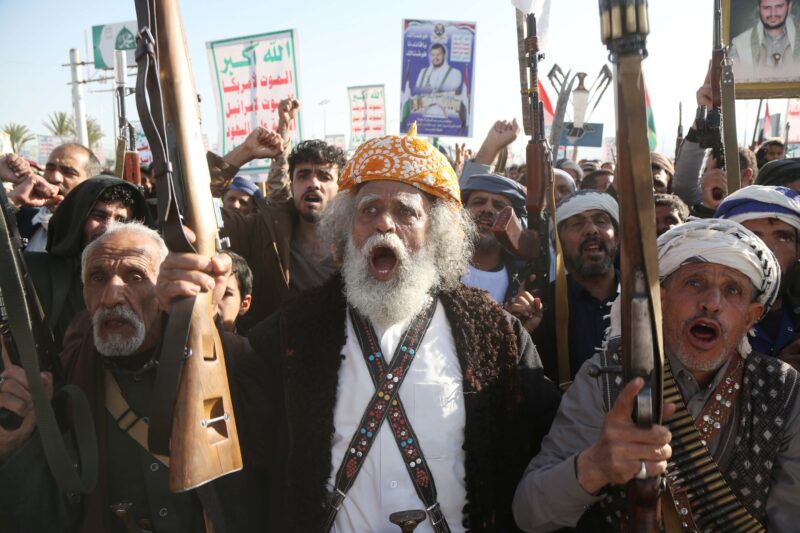
The leader of Yemen’s Southern Transitional Council separatist group, which is backed by the United Arab Emirates, said amid a deepening rift with Yemen’s Saudi-backed Presidential Leadership Council that the STC’s next goal should be the capital of Sana’a…
Pic of the Day
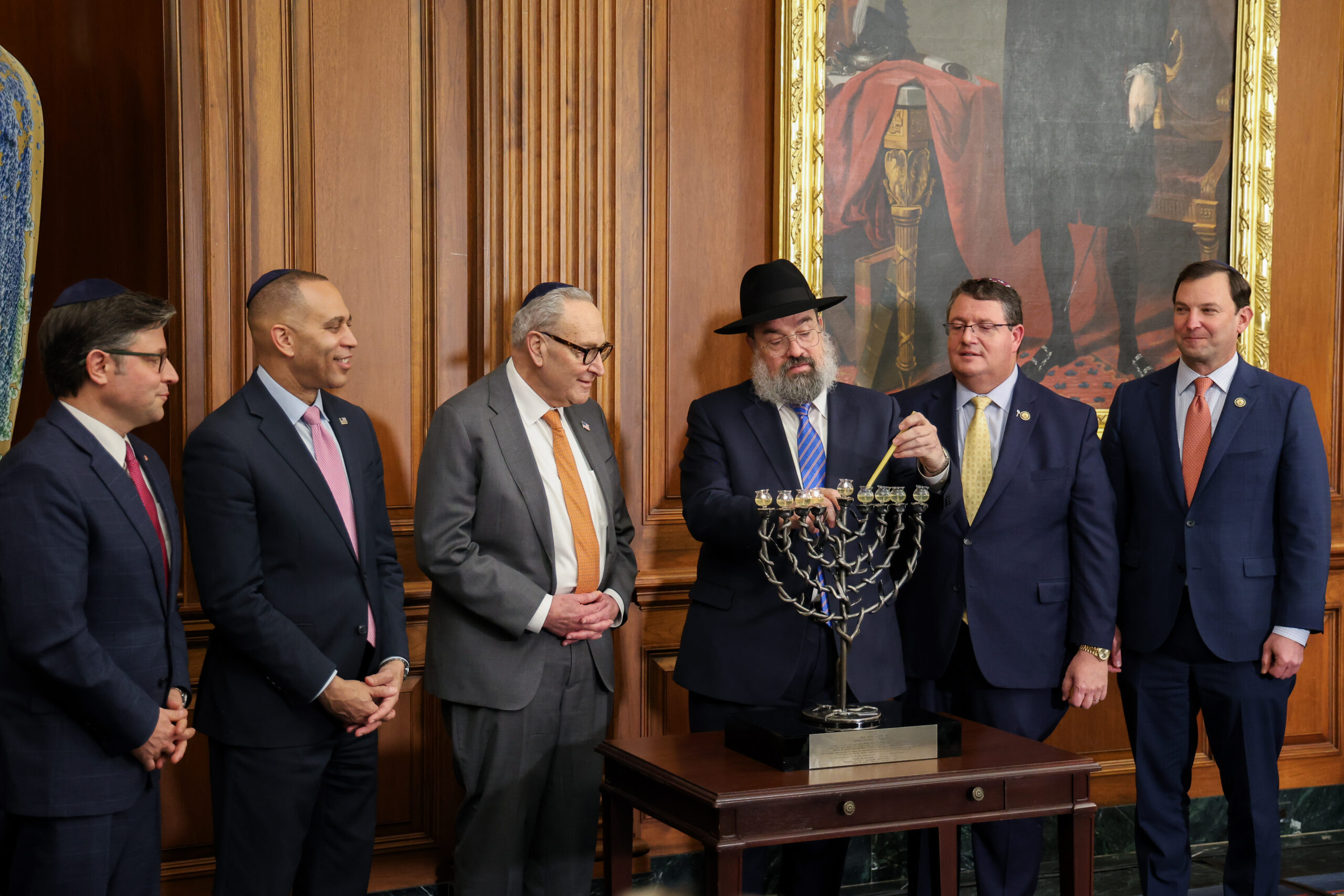
House Speaker Mike Johnson (R-LA), Senate Minority Leader Chuck Schumer (D-NY) and House Minority Leader Hakeem Jeffries (D-NY) hosted a pre-Hanukkah menorah lighting ceremony yesterday on Capitol Hill alongside Chabad Rabbi Levi Shemtov, the executive vice president of American Friends of Lubavitch (Chabad), Jewish Insider’s Emily Jacobs reports. Pictured with the congressional leaders are Reps. Randy Fine (R-FL) and Craig Goldman (R-TX).
Birthdays

Hasidic rapper from Boston, known as Nosson, Nathan Isaac Zand turns 44…
U.S. secretary of state in the Obama administration and former U.S. senator, John Kerry turns 82… Lumber and wood products executive in Bethany, Conn., Stuart Paley… University professor of Jewish history and Jewish thought at Yeshiva University, Rabbi Jacob J. Schacter turns 75… Digital media expert and entrepreneur, he serves as chair emeritus of the UJA-New York of New York’s marketing communications committee, Michael E. Kassan turns 75… Professor of international economics at Princeton University, Gene Grossman turns 70… Former senior attorney in the environmental and natural resources division of the U.S. Department of Justice, Perry Rosen turns 70… Best-selling author, she has published 11 novels including seven books in The Mommy-Track Mysteries series, Ayelet Waldman turns 61… Beverly Hills-based cosmetic surgeon for many celebrities, Dr. Simon Ourian turns 59… Partner in Pomerantz LLP where he leads the corporate governance litigation practice, he serves as a trustee of Manhattan’s Beit Rabban Day School, Gustavo F. Bruckner… Senior director of Middle East programs at the Atlantic Council, William F. Wechsler… Former member of the Knesset for the Labor party and then the Independence party, she just launched the Oz party, Einat Wilf… Distinguished Israel policy chair and senior fellow at RAND, Shira Efron… Israeli poet and founder of the cultural group Ars Poetica, Adi Keissar turns 45… Israeli actor, director, playwright, rapper and singer, known by his stage name Pedro Grass, Amit Ulman turns 40… Head of people and communications at Constellation, Michael Chananie… CEO at D.C.-based Brown Strategy, Josh Brown… Sports editor for Apple News until 2024, now a freelance content strategist for FanDuel, Kelly Cohen… National political reporter at The Washington Post, Marianne LeVine… Managing director of alternative investments at CAIS, Judah Schulman… Senior editor at Apple News, Gideon Resnick… Actress and singer, Hailee Steinfeld turns 29… Associate at Gordon Rees Scully Mansukhani, Segev David Kanik…