











Maduro’s arrest adds to Iran’s unrest
Plus, Mamdani's first mayoral moves rankle Jewish community


 Add JewishInsider on Google
Good Monday morning.
In today’s Daily Kickoff, we look at what the Trump administration’s capture of Venezuelan President Nicolás Maduro could mean for Iran’s influence in South America, and report on New York City Mayor Zohran Mamdani’s first days in office, which included the revocation of executive orders on supporting Israel and combating antisemitism. We have the exclusive on AIPAC’s appointment of Deryn Sousa as the organization’s new spokesperson, succeeding Marshall Wittmann, and report on Jewish communal priorities on Capitol Hill in the new year. Also in today’s Daily Kickoff: Julie Menin, Rabbi Zvi Hershcovich and Este Haim.
Today’s Daily Kickoff was curated by Jewish Insider Executive Editor Melissa Weiss and Israel Editor Tamara Zieve, with assists from Danielle Cohen-Kanik and Marc Rod. Have a tip? Email us here.
What We’re Watching
- As Congress returns this week, we’ll be keeping an eye on the Hill’s response to the ongoing wave of protests across Iran, the ripple effects of the Trump administration’s arrest of Venezuelan President Nicolás Maduro and the emerging rift among the U.S.’ Gulf allies.
- Following the winter break, lawmakers’ top priority now will be finalizing a deal on government funding before the end-of-month deadline. It’s looking less likely that we’ll see a repeat of last year’s extended government shutdown. There are still plenty of areas to be negotiated between the two chambers, including security grant funding, United Nations funding and funding levels for U.S.-Israel cooperative programs.
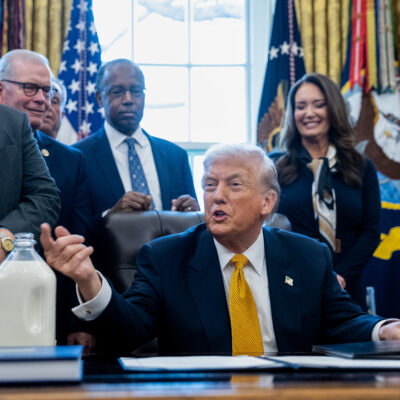
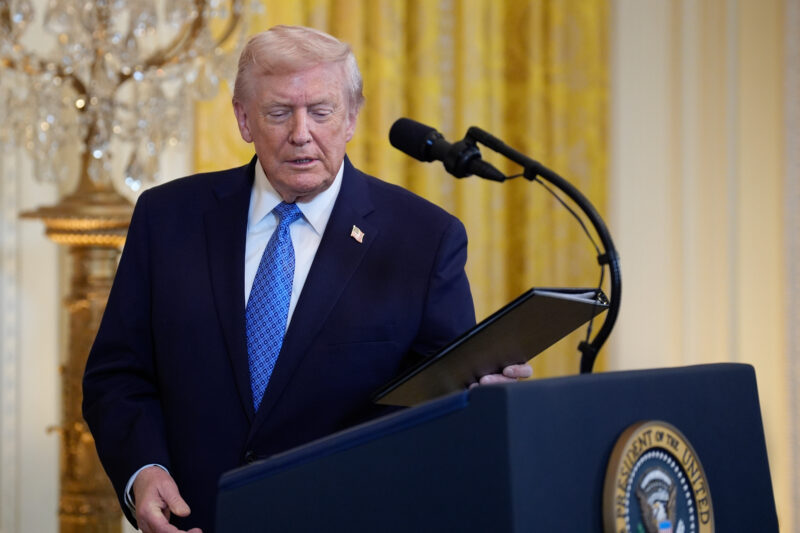
- We’re keeping an eye on the ongoing protests in Iran. Speaking to reporters on Air Force One last night, President Donald Trump reiterated his recent comments that the U.S. would intervene if Iranian officials were to kill protesters, having said on his Truth Social site on Friday that “If Iran shoots and violently kills peaceful protesters, which is their custom, the United States of America will come to their rescue.”
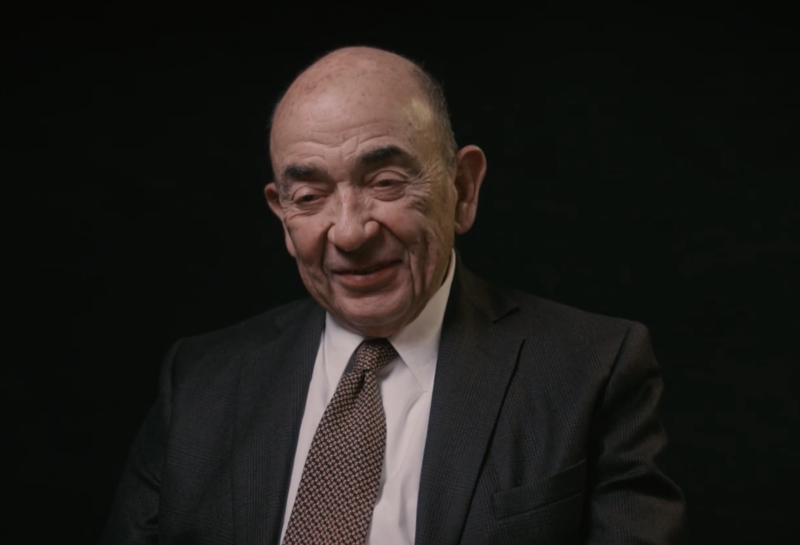
- Venezuelan President Nicolás Maduro is scheduled to make his first appearance in U.S. federal court at 12 p.m. ET today, where he will appear before Judge Alvin Hellerstein, a 92-year-old Orthodox Jewish federal judge.
- Minnesota Gov. Tim Walz, who had been planning a 2026 reelection bid, is set to make an announcement regarding his political future this morning, a day after meeting with Sen. Amy Klobuchar (D-MN). The impromptu press conference comes as Walz’s administration faces criticism and an investigation into widespread fraud centered around the state’s Somali diaspora population.
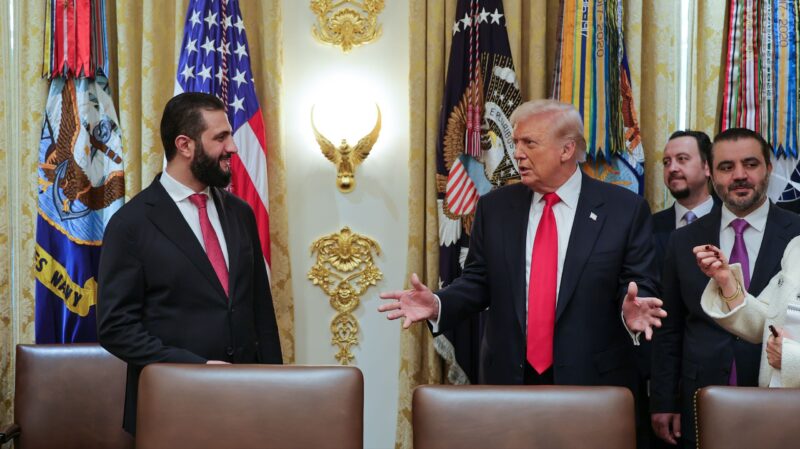
- U.S. Ambassador to Turkey and Syria envoy Tom Barrack is mediating talks in Paris today between senior Israeli and Syrian officials, aimed at reaching a security agreement between the countries.
What You Should Know
A QUICK WORD WITH JI’S MELISSA WEISS
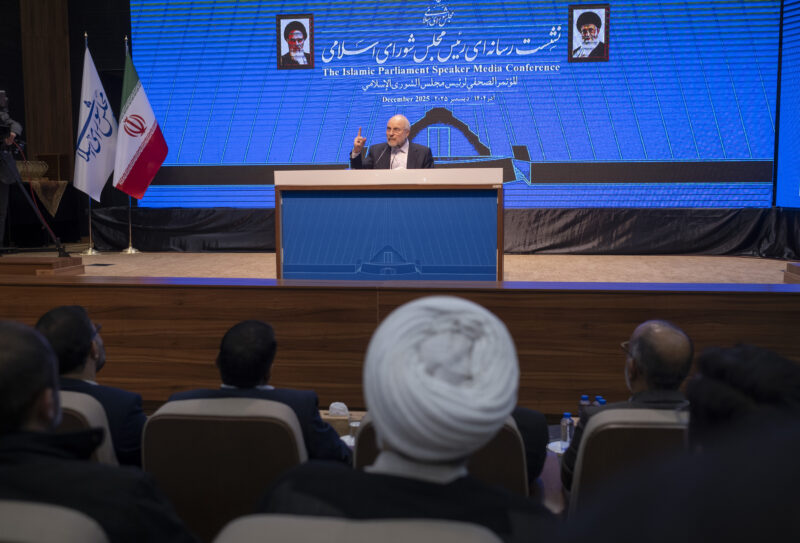
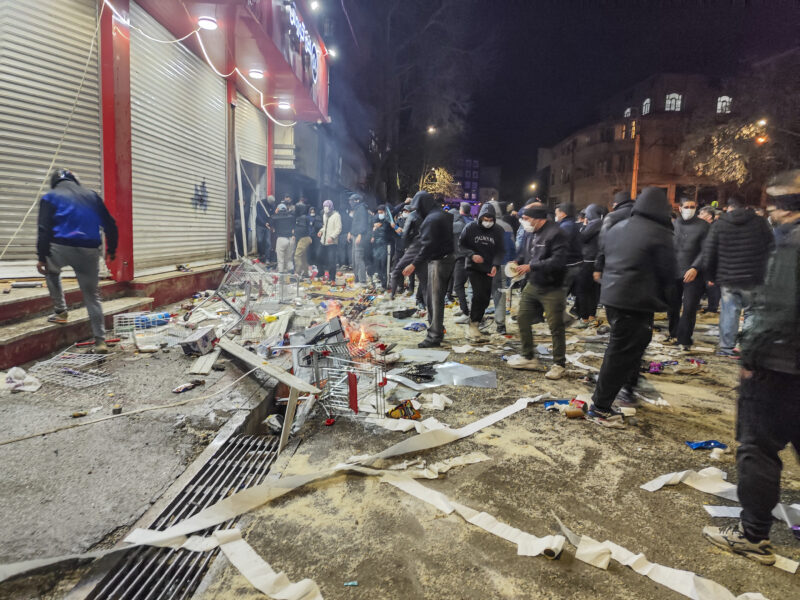
As protests continue to spread throughout Iran and the geopolitical repercussions of the Trump administration’s capture of Venezuelan President Nicolás Maduro ripple across world capitals, the sentiment around the Middle East and in Washington is that renewed conflict with the Islamic Republic may well be on the horizon.
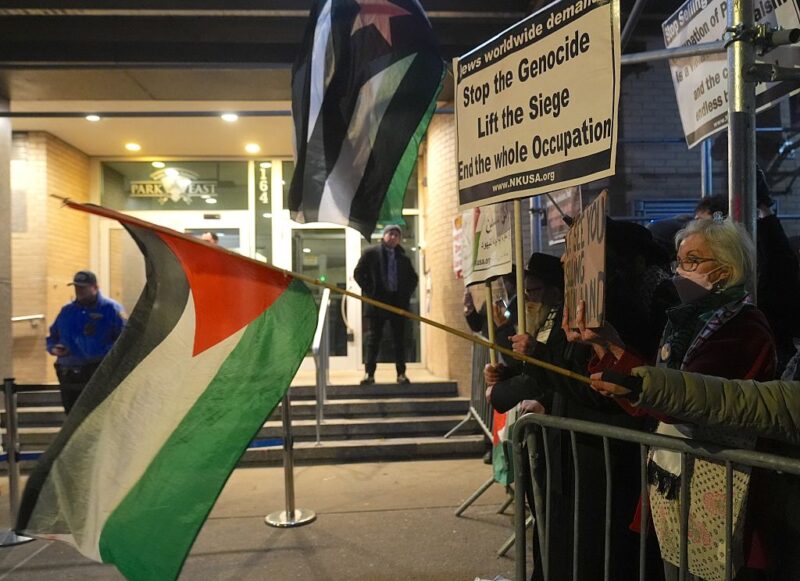
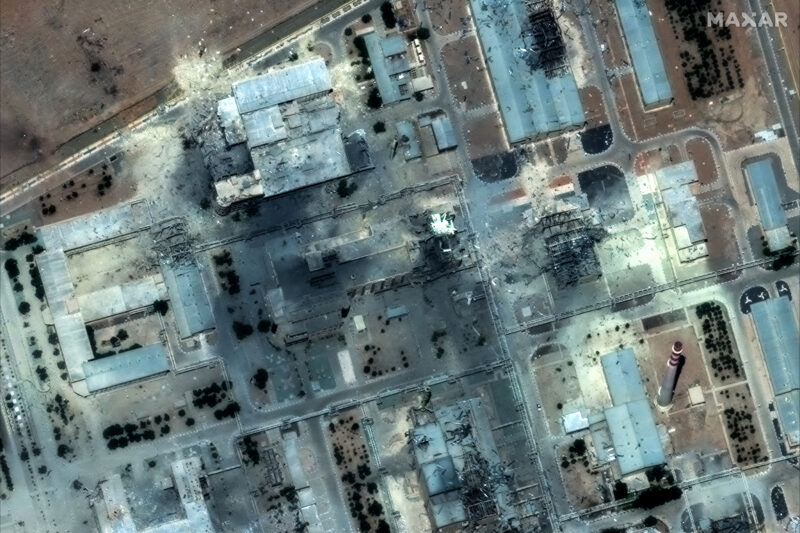
While smaller than previous nationwide protests in 2019 and 2022, the newest demonstrations come as Iran is facing economic instability, crushing international sanctions and record droughts. The protests that have spread across the country in recent days are the first major demonstrations since the 12-day war between Iran and Israel, with an assist from the U.S., last June that damaged the Islamic Republic’s nuclear program and further destabilized Iran.
The protests in Iran were already gaining steam at the time a Delta Force team apprehended Maduro and his wife on Saturday and brought them to the U.S. to stand trial on drug trafficking charges. But the Trump administration’s decision to send elite forces into Caracas and forcibly remove Maduro signals to Tehran — as well as Moscow and Beijing — that Washington is taking a tougher approach to regimes it sees as destabilizing and threatening to U.S. interests.
The world is watching this geopolitical high-wire act with wariness. In Israel, officials are closely monitoring the instability in Iran, concerned that the regime in Tehran could move to strike Israel in an effort to consolidate domestic support and quell the protests; Israel could also see a window of opportunity to strike Iran at a weak moment, either of which could reignite warfare between Jerusalem and Tehran.
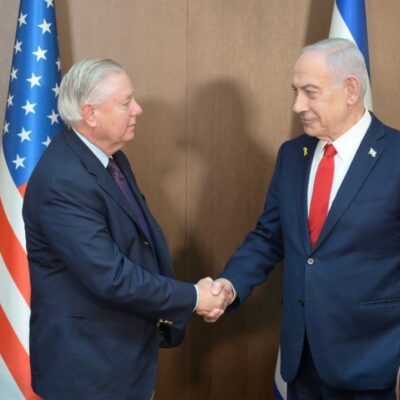
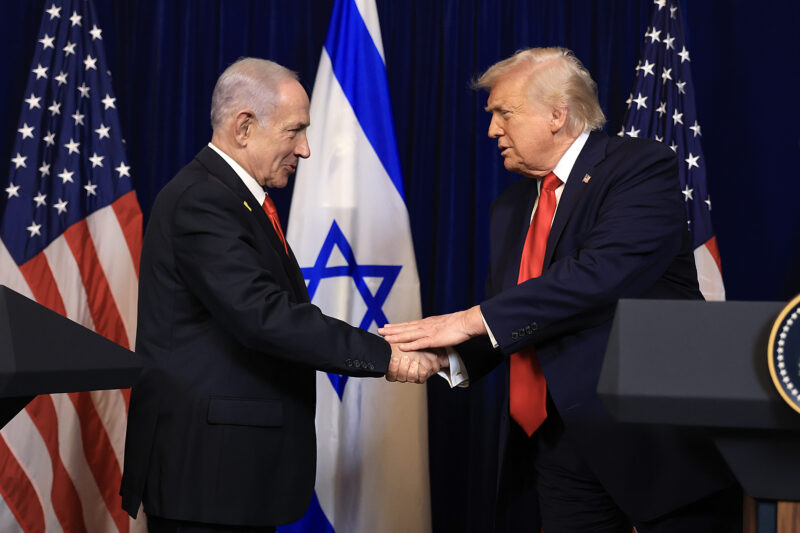
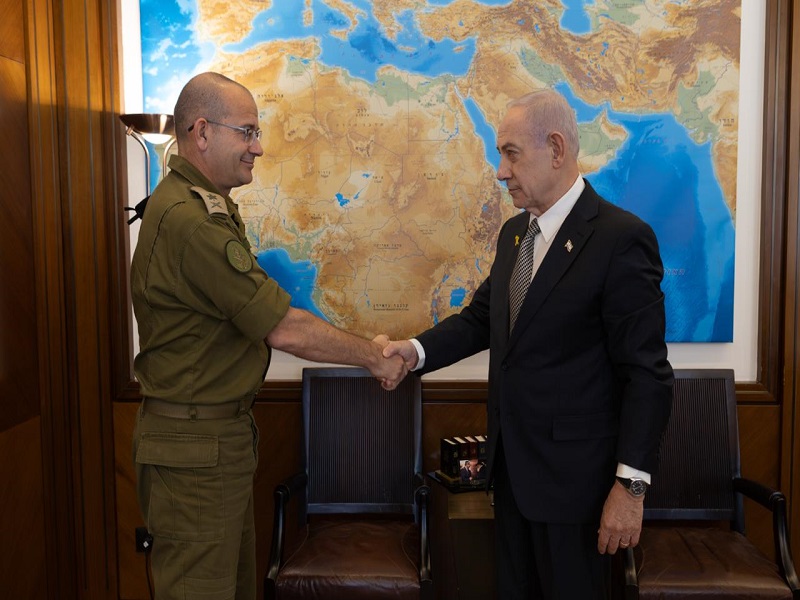
It was less than a week ago that Israeli Prime Minister Benjamin Netanyahu met with President Donald Trump at his Mar-a-Lago resort in Florida and discussed the threat posed by Iran’s ballistic missile program.
In his weekly Cabinet meeting yesterday, Netanyahu addressed Iran in the context of his Palm Beach meeting last week, saying that Israel “reiterated our joint position of zero enrichment on one hand, and the need to remove the 400 kilograms of enriched material from Iran and oversee the sites with tight and genuine supervision.”
Noting that his sit-down with Trump was taking place as anti-government protests broke out in Iran, Netanyahu added, “The Government of Israel, the State of Israel, and my policy, we identify with the struggle of the Iranian people, with their aspirations for freedom, liberty, and justice. It is very possible that we are standing at the moment when the Iranian people are taking their fate into their own hands.”
DOMINO EFFECT
Toppling Maduro may weaken Iran’s hold in Latin America
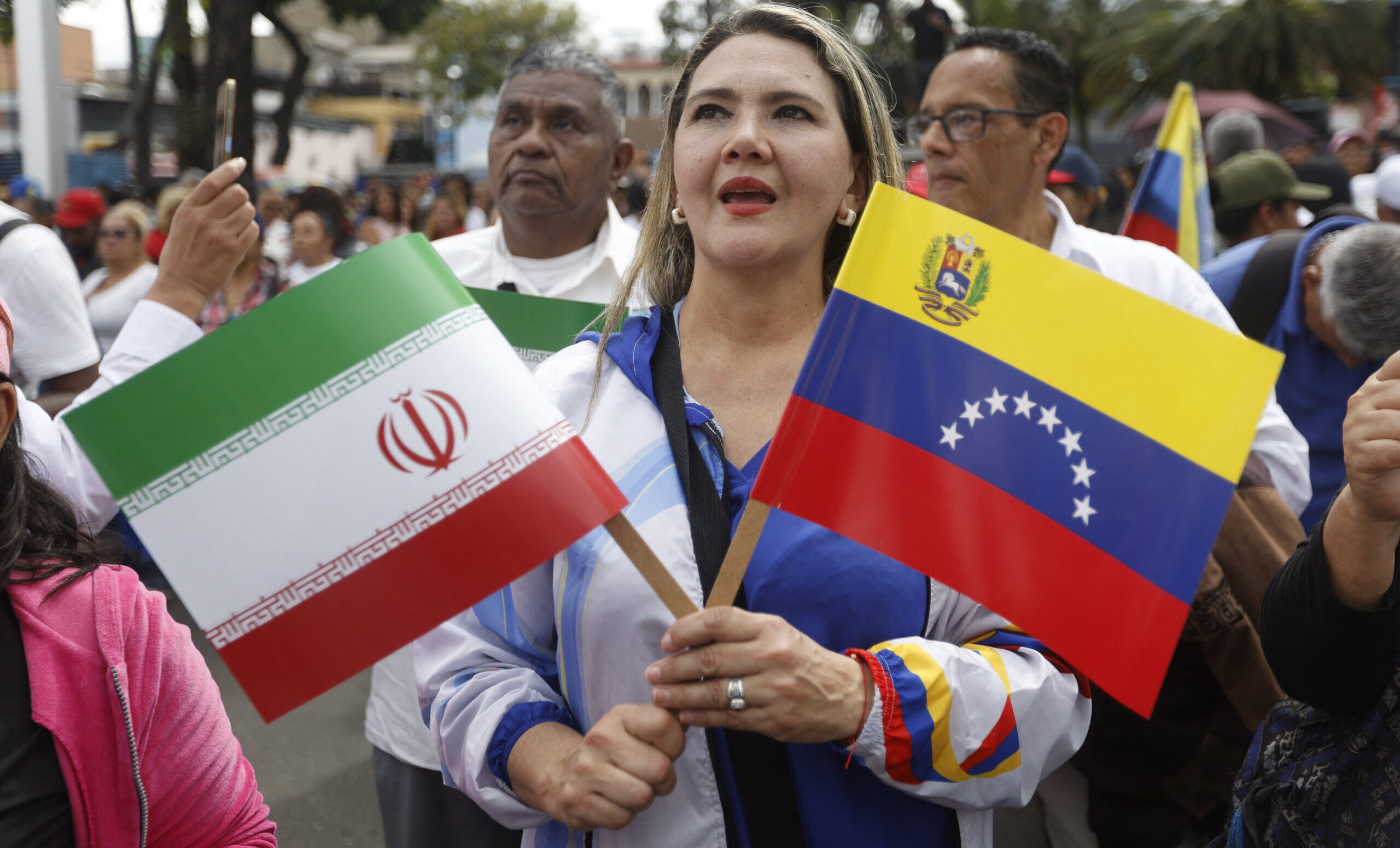
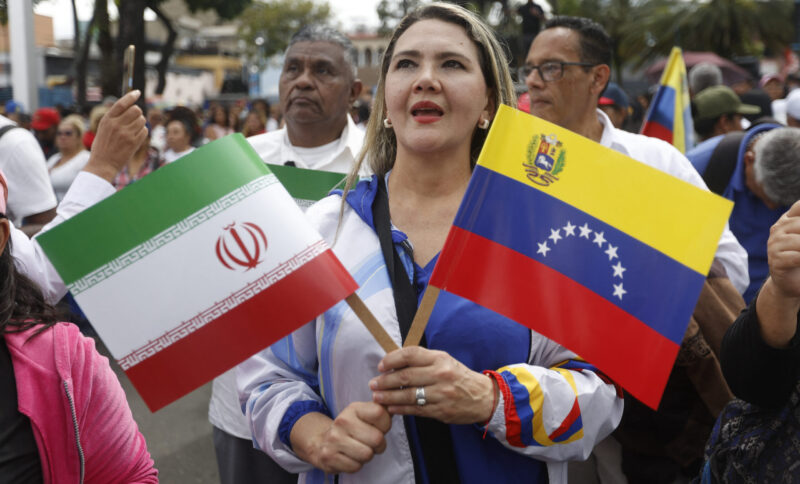
The U.S.’ capture of Venezuelan President Nicolás Maduro on Saturday is expected to weaken Iran’s terrorism efforts, weapons production and economic activity in Latin America, experts say. With Vice President Delcy Rodriguez taking power — and the Trump administration expressing willingness to work with her — it remains unclear whether Maduro’s regime will largely remain intact with American supervision or if the government will ultimately be replaced by the democratic opposition, led by Nobel Peace Prize recipient Maria Corina Machado, or someone else, Jewish Insider’s Lahav Harkov reports.
Expected impact: Emanuele Ottolenghi, senior research fellow at the Center for Research on Terror Financing, told JI that “if the regime remains in place [under Washington’s supervision], there will have to be adjustments in its regional posture and foreign policy. That means, of course, the role that nefarious foreign actors such as China, Russia, Cuba and Iran played in Venezuela will change.” Danny Citrinowicz, a senior researcher at the Institute for National Security Studies at Tel Aviv University, told JI that “the Iranians turned Venezuela into a strategic hub, and now that has disappeared.”
Bonus: Politico talks to Vandenberg Coalition head Carrie Filipetti, who served as principal deputy assistant secretary of state for Cuba and Venezuela during the first Trump administration, about the apprehension of Maduro and potential next steps for the U.S. vis-à-vis its Venezuela policy.
shifting alliances
Saudi Arabia pivots from moderation
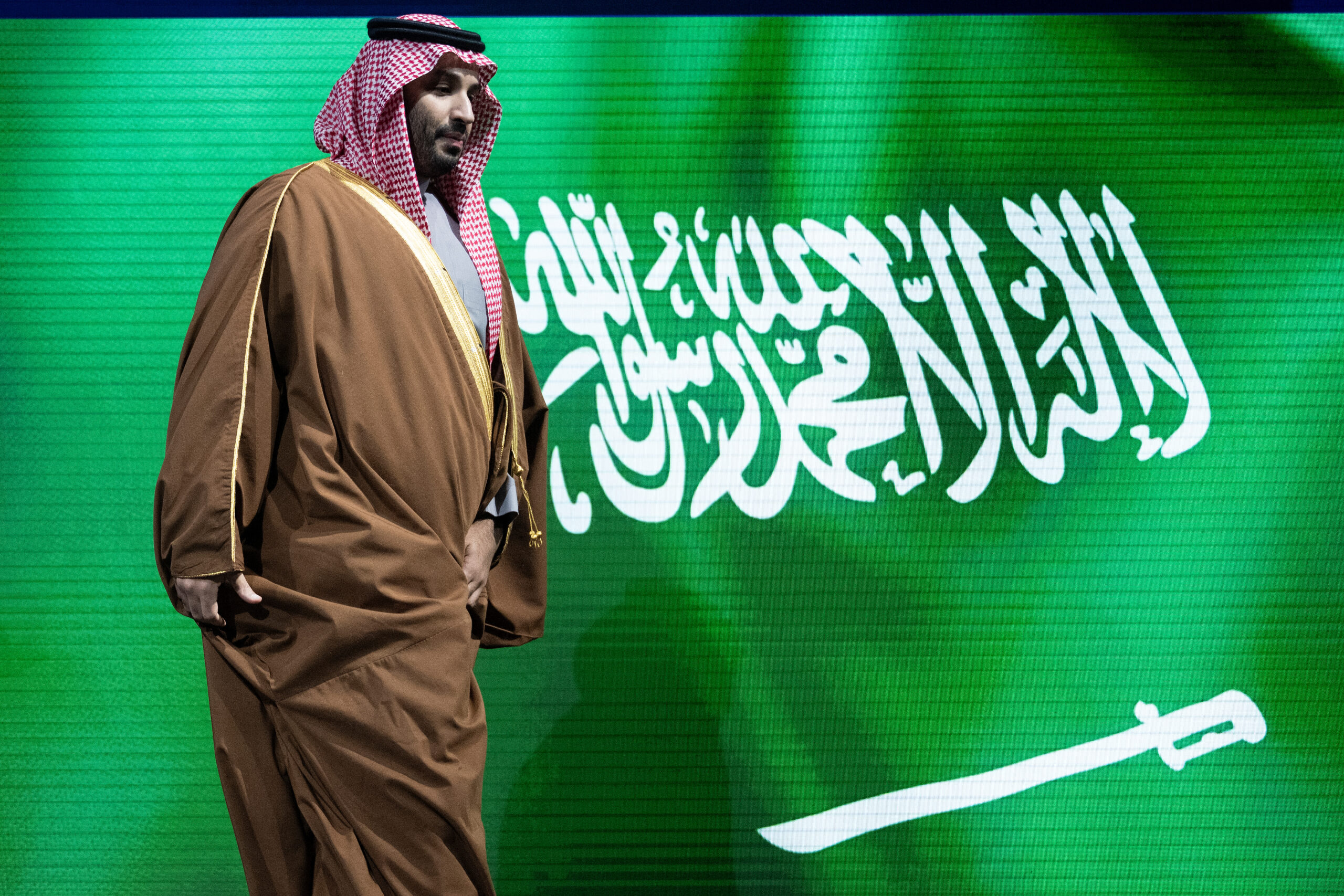
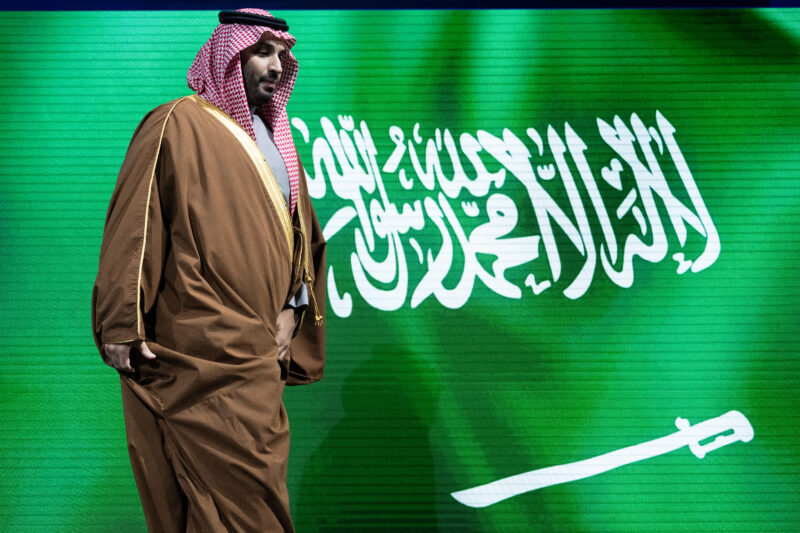
Saudi Arabia is recalibrating its regional posture in ways that are challenging long-held assumptions about Riyadh’s role as a moderating force in the Middle East, as recent moves across Yemen, Sudan and the Horn of Africa expose the country’s widening rift with the United Arab Emirates and a growing alignment with Qatar and Turkey — two countries with openly hostile positions toward Israel, Jewish Insider’s Emily Jacobs, Lahav Harkov and Matthew Shea report.
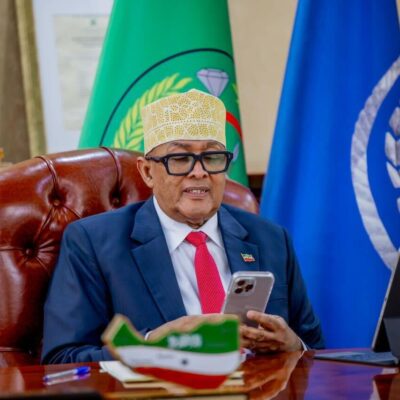
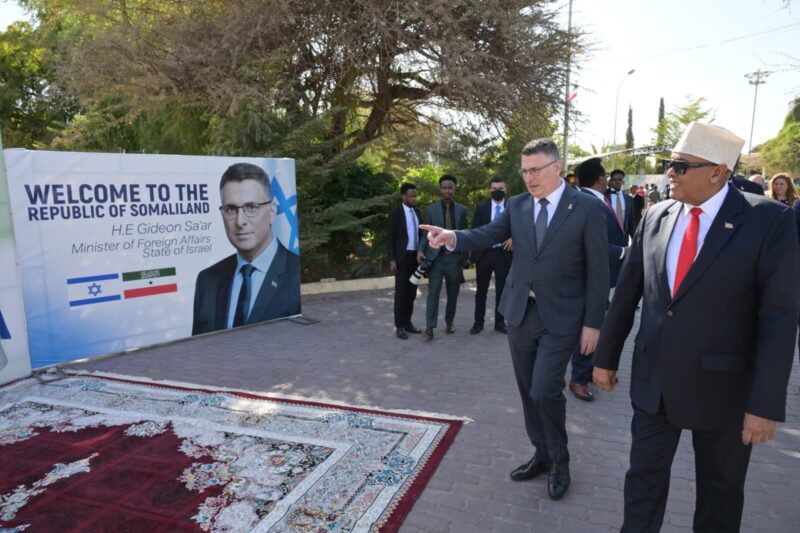
Series of events: The realignment has been most stark on the issue of Yemen, where Saudi Arabia led an airstrike on an Emirati shipment of vehicles last week that Riyadh claimed was intended for the UAE-backed Southern Transitional Council (STC), which has consolidated power in the country’s south as Saudi-backed efforts to stabilize the war-torn nation have stalled. Hours after the strike, the Emirati government announced it would withdraw its remaining troops from the country. The Saudis’ decision to embrace Islamist-aligned factions in Sudan, where the UAE is aligned with rival forces, has caused additional fissures with the Emiratis, putting the two U.S. allies and Gulf power players at odds. The Gulf states have also taken opposite sides on Somalia, with the UAE quietly supportive of Somaliland, while Saudi Arabia condemned Israel for recognizing its independence.
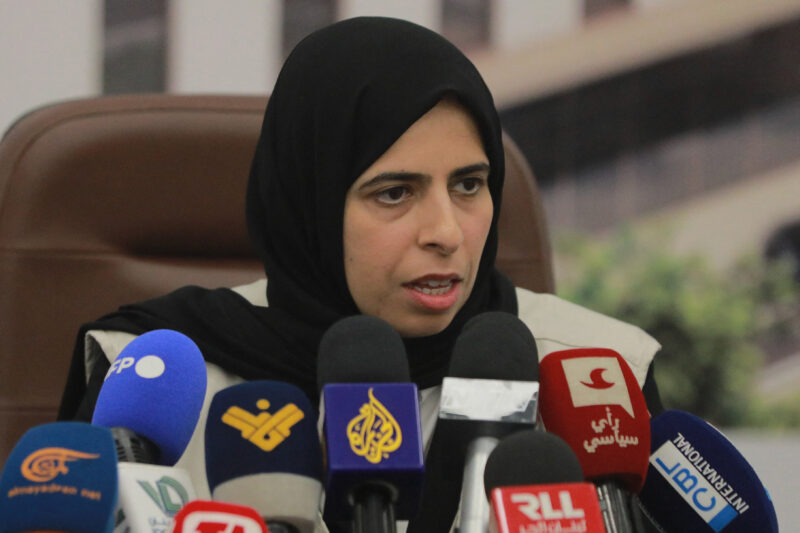
Qatari condolences: Qatari Education Minister Lolwah Al-Khater publicly mourned the death of Huthayfa Samir Abdullah Al-Kahlout, a senior Hamas military spokesman who served as the public face of the group’s media strategy during the war in Gaza, drawing renewed scrutiny of Qatar’s ties to the militant group, Jewish Insider’s Matthew Shea reports.
DAY ONE DOOZY
Mamdani slammed for repealing antisemitism executive orders
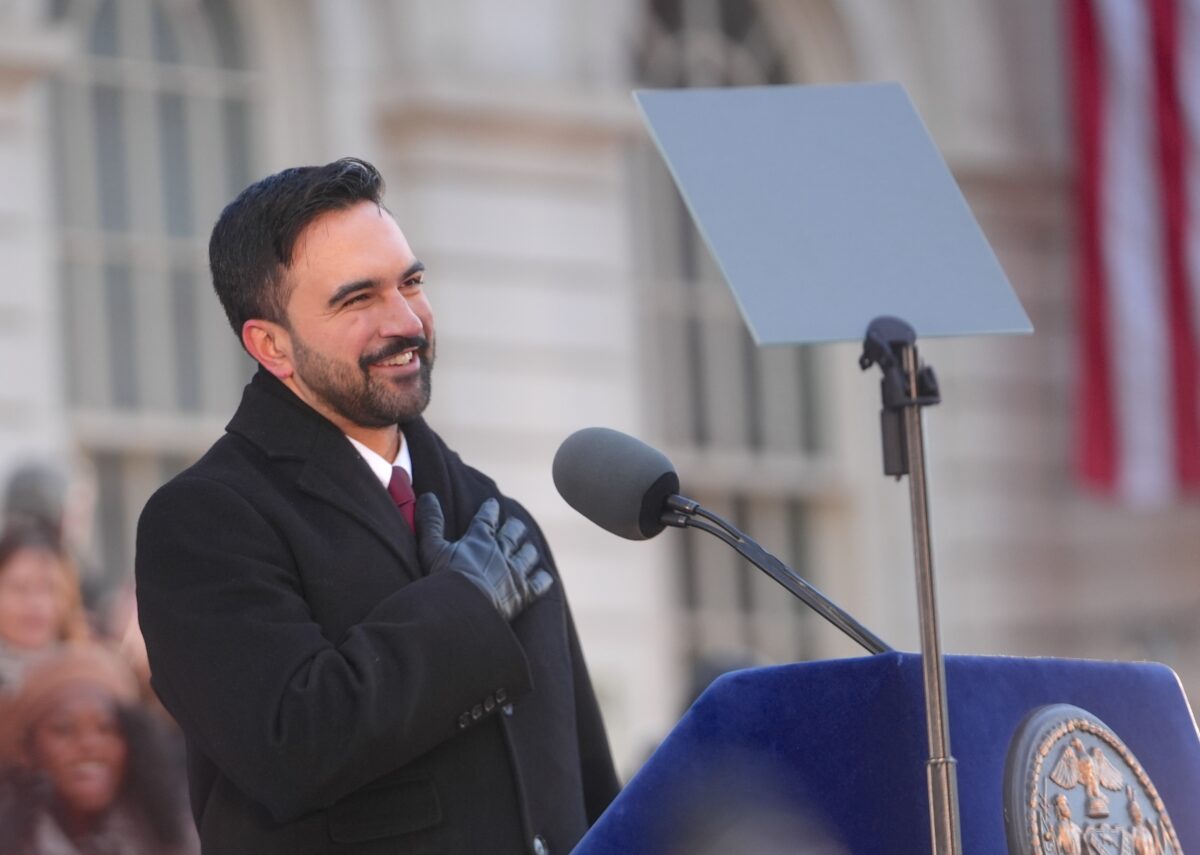
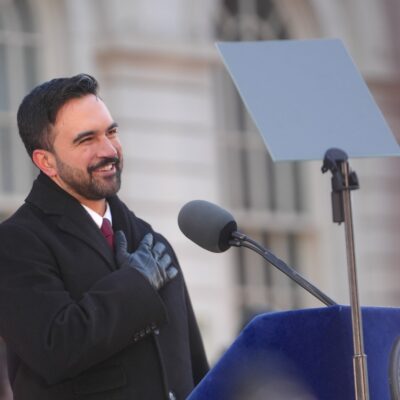
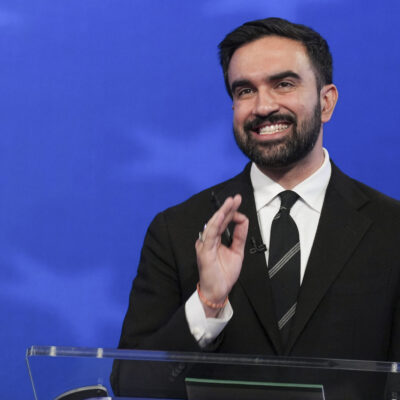
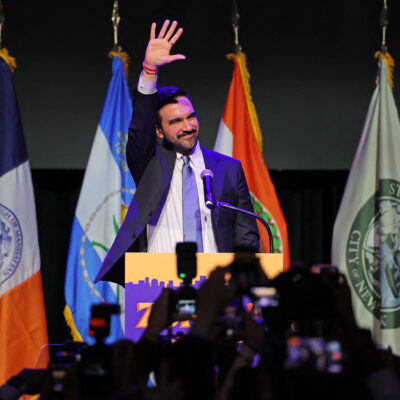
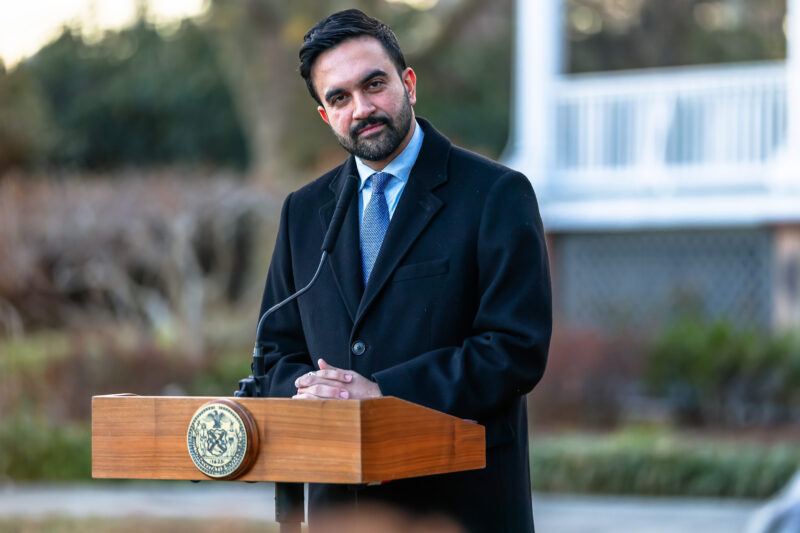
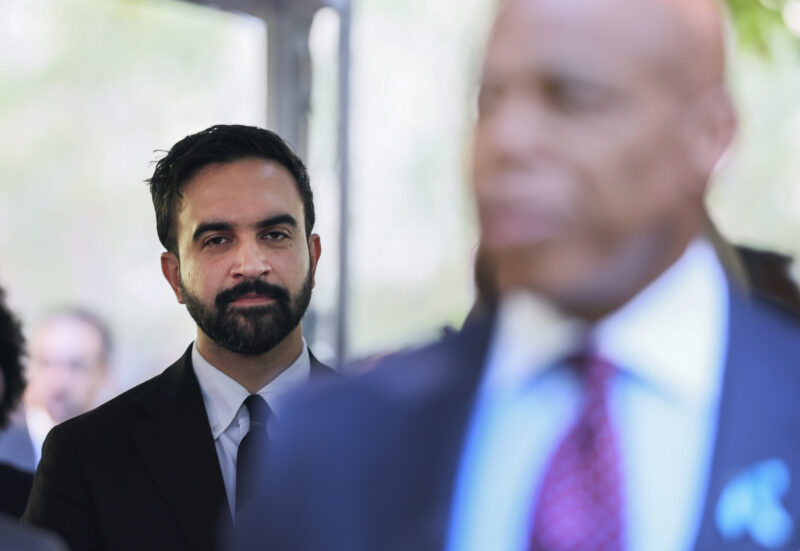
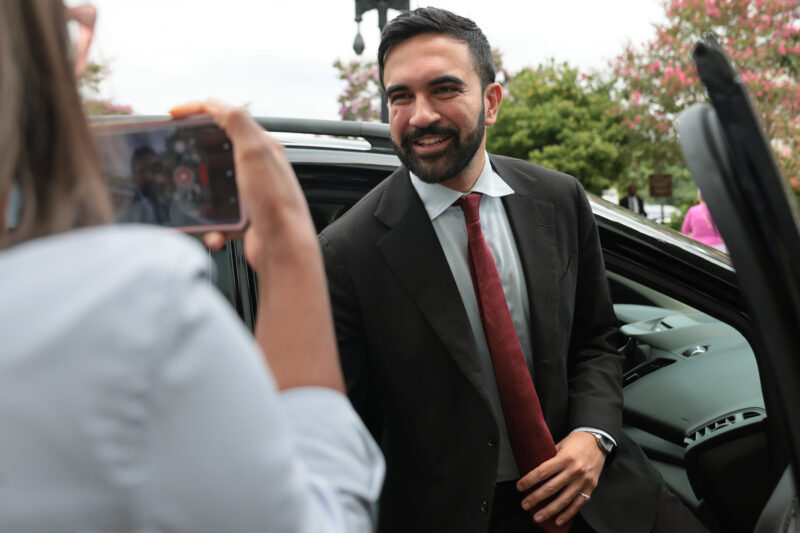
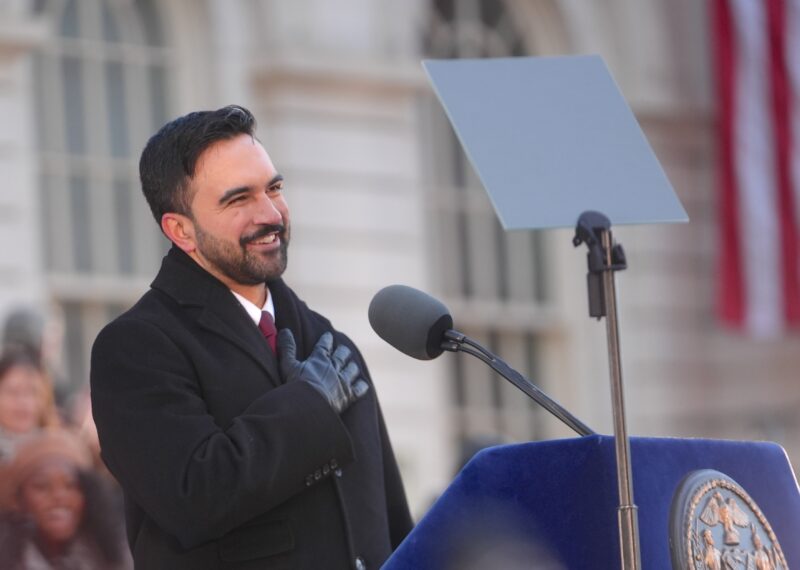
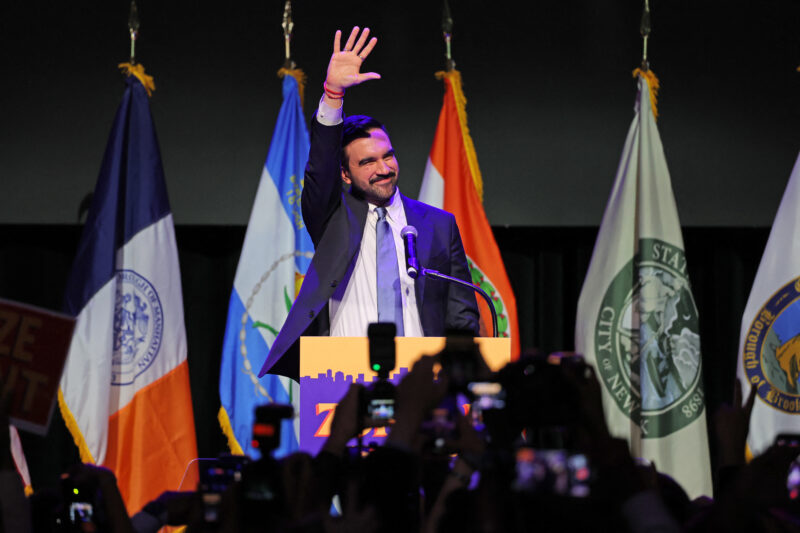
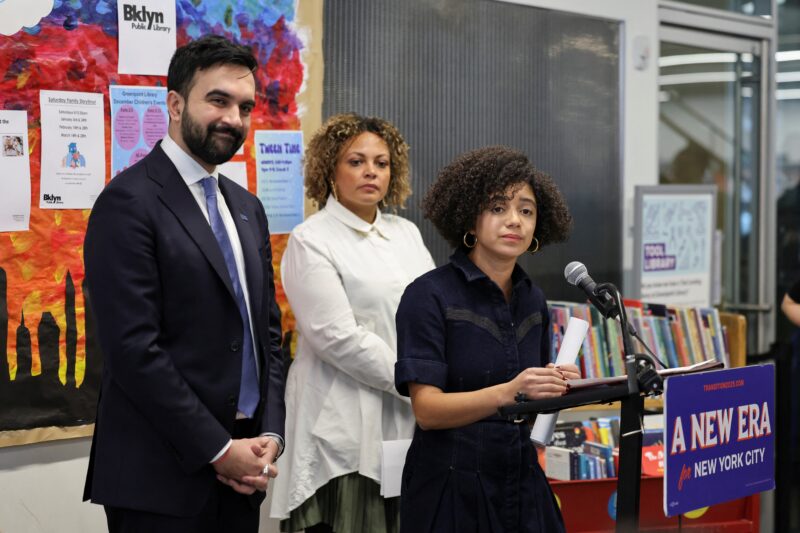
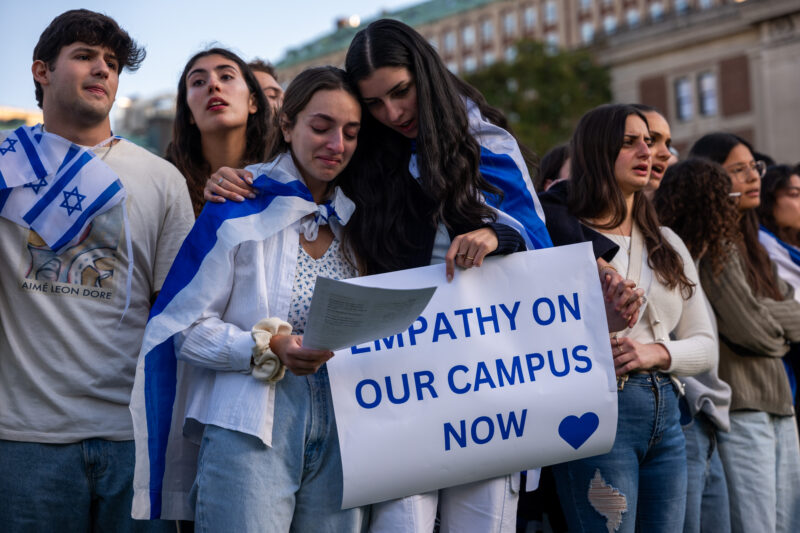
Newly inaugurated New York City Mayor Zohran Mamdani is facing criticism for repealing executive orders issued by former Mayor Eric Adams aimed at tackling antisemitism, including implementing the International Holocaust Remembrance Alliance’s working definition of antisemitism and an anti-Boycott, Divestment and Sanctions order. The revocation of those orders came as part of a blanket repeal of all of Adams’ executive orders following his September 2024 indictment on federal corruption charges, Jewish Insider’s Marc Rod reports.
Community reaction: In a joint statement, the UJA-Federation of New York, Jewish Community Relations Council of New York, American Jewish Committee of New York, Anti-Defamation League of New York/New Jersey, Agudath Israel of America, the New York Board of Rabbis and the Orthodox Union said that the Jewish community “will be looking for clear and sustained leadership that demonstrates a serious commitment to confronting antisemitism and ensures that the powers of the mayor’s office are used to promote safety and unity, not to advance divisive efforts such as BDS.” The statement continued, “Singling Israel out for sanction is not the way to make Jewish New Yorkers feel included and safe, and will undermine any words to that effect.”
Bonus: The New York Times reports that Mamdani’s decision to issue a blanket revocation of Adams’ executive orders was made in an effort to alleviate anger by Jewish groups over the rescinding of the two orders related to Israel and antisemitism.
EXCLUSIVE
AIPAC appoints Deryn Sousa as spokesperson
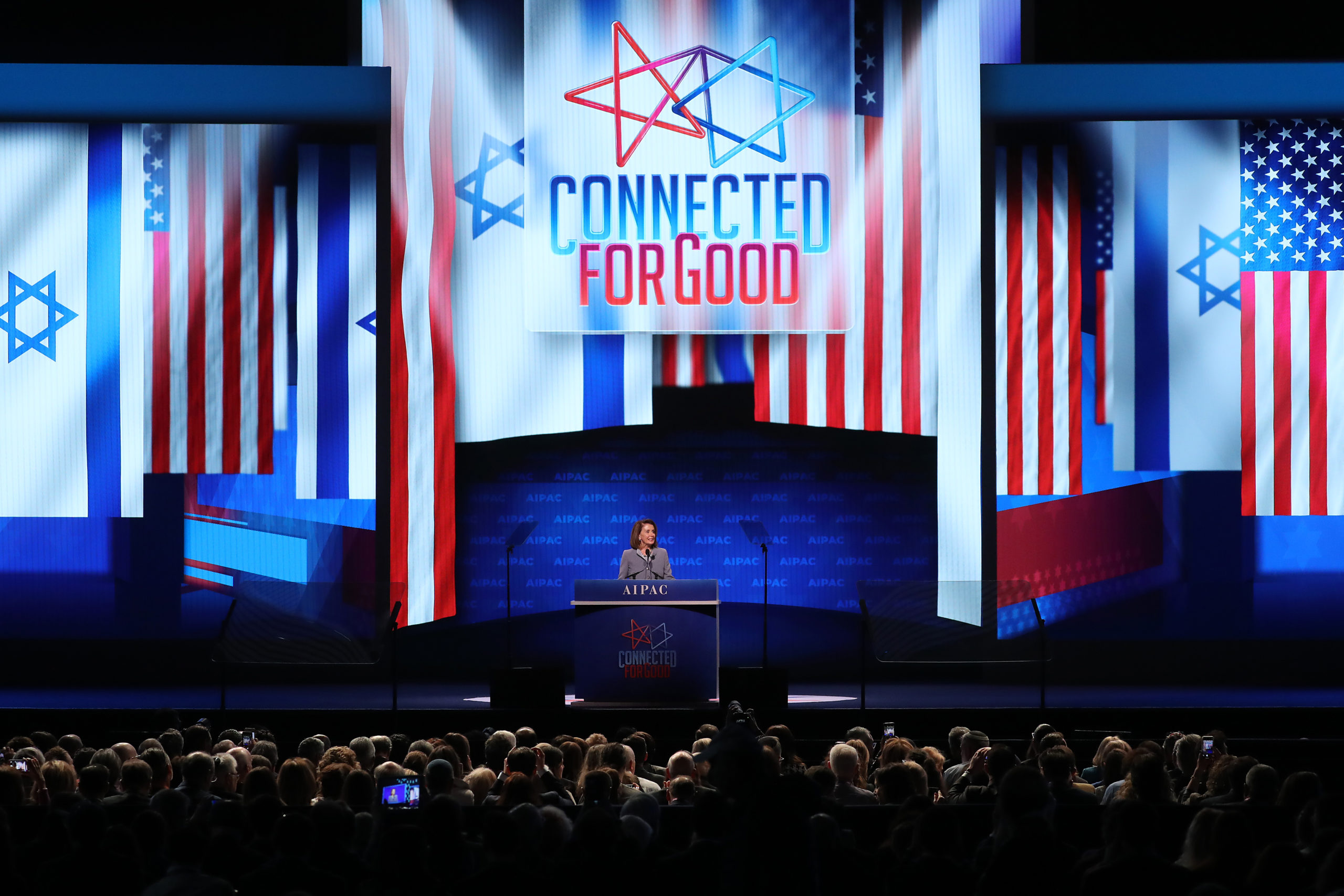
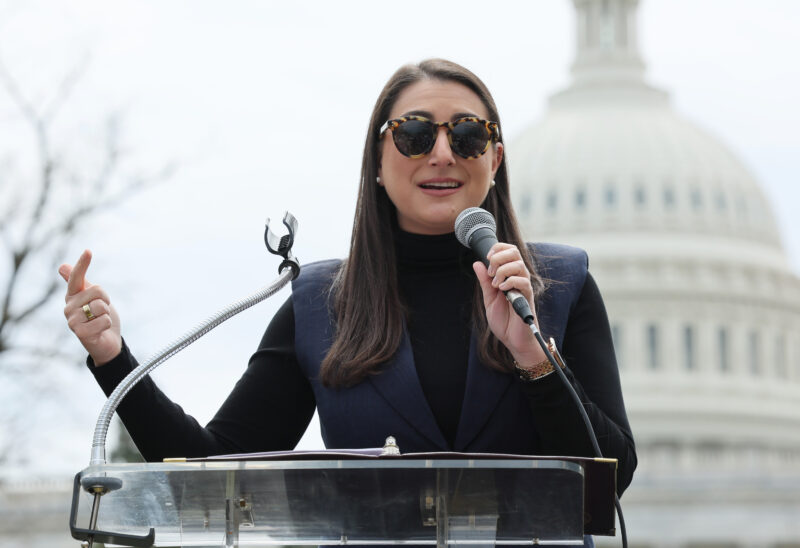
The American Israel Public Affairs Committee appointed Deryn Sousa as spokesperson, replacing Marshall Wittmann, who retired at the end of 2025 after 13 years in the role. Sousa steps into the public-facing position during a time when AIPAC is regularly in the spotlight — and as the powerful pro-Israel organization faces outsized criticism from the far left and far right over its influence in the American political system, Jewish Insider’s Gabby Deutch reports.
Background: Sousa reflects a different career trajectory than that taken by Wittmann, who came to AIPAC toward the end of his career after decades working in politics in Washington, including as communications director for Sens. Joe Lieberman (I-CT) and John McCain (R-AZ). Sousa has worked for AIPAC for a decade, having joined the organization soon after she graduated from the University of Georgia, where she studied Arabic and international affairs. She moved to Washington for the spokesperson role from Houston, where she served until recently as AIPAC’s Southwest regional political director.
MONEY IN THE BANK
Massie challenger raises $1.2 million in final quarter of 2025
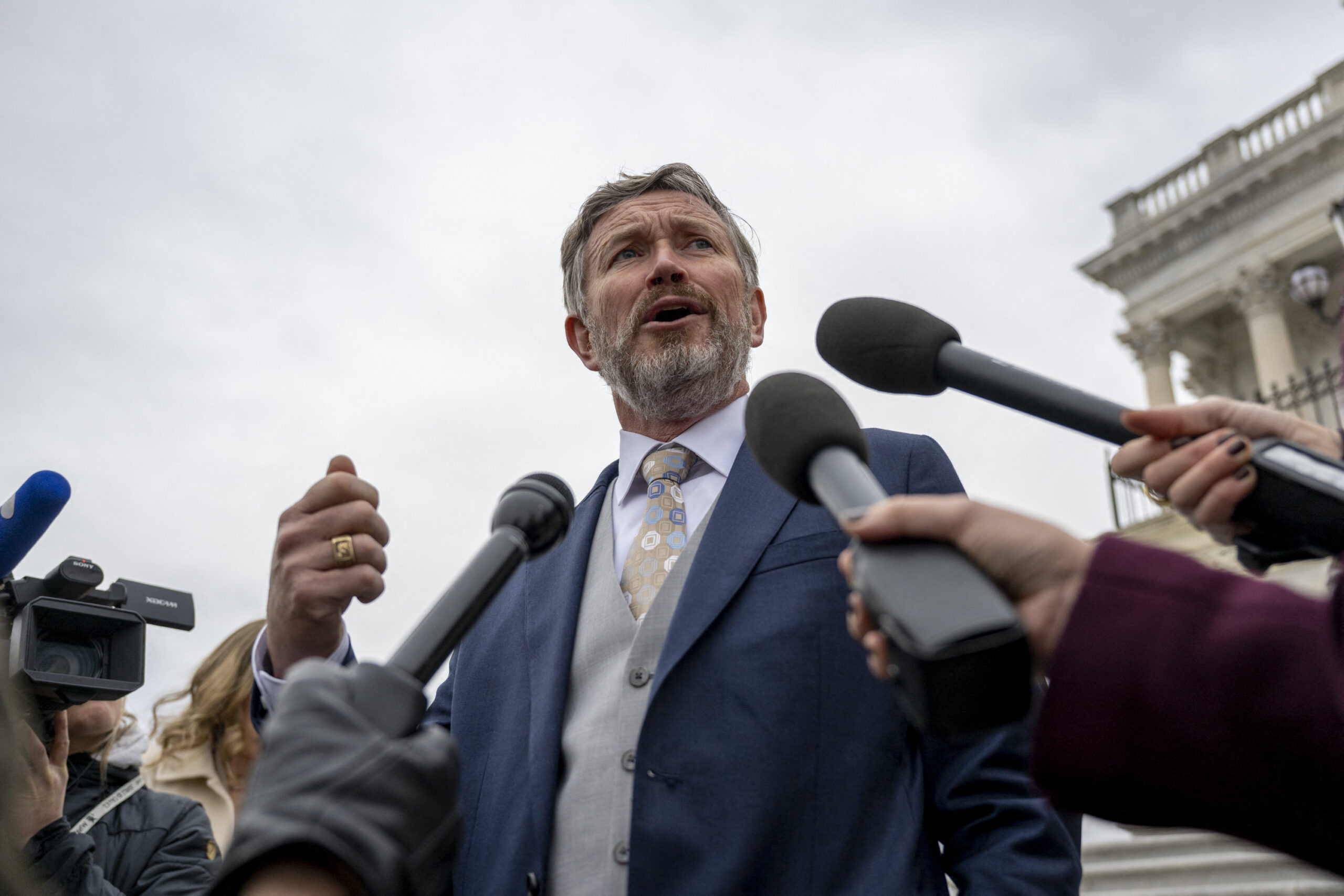
Ed Gallrein, the Republican primary challenger to Rep. Thomas Massie (R-KY) backed by President Donald Trump, said Friday that he had raised $1.2 million in the final quarter of 2025, a sizable sum that puts him in strong financial shape in preparation for a grueling race against Massie. Gallrein’s fundraising haul signals that he’s a more viable candidate than Massie’s previous challengers, and highlights the power of Trump’s endorsement, Jewish Insider’s Marc Rod reports.
Moving against Massie: Trump and his allies have also committed significant resources to the effort to defeat Massie, an isolationist Republican who has frequently opposed legislation to combat antisemitism and has broken with Trump on many key elements of his agenda, including on issues related to Israel and Iran. “This fundraising number reflects the overwhelming support Ed’s campaign has received right out of the gate,” Gallrein spokesperson Lance Trover said in a statement. “President Trump endorsed Ed because he knows Ed is fighting to put America First and will partner with him to unleash our economy, lower taxes, and stop the woke agenda.”
ON THE AGENDA
Security remains Jewish community’s top lobbying priority for 2026
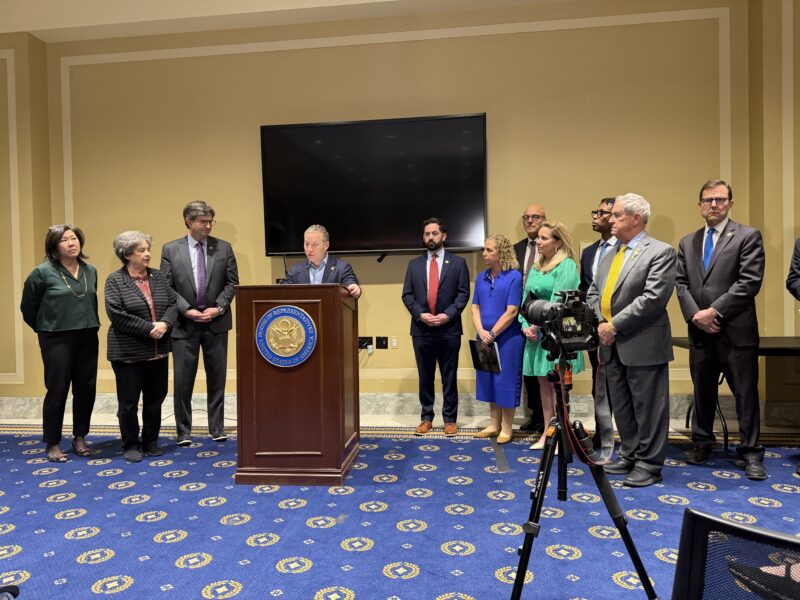
Going into 2026, Jewish community groups said their advocacy priorities for Congress and the federal government remain largely consistent, with a focus across many of the major advocacy organizations on bolstering community security through the Nonprofit Security Grant Program and tackling antisemitism online, Jewish Insider’s Marc Rod reports.
The hurdles: While Congress has increased its attention to Jewish communal issues in the years since the Oct. 7, 2023, Hamas attacks on Israel, including a string of high-profile hearings on antisemitism and several bills passed to support Israel and combat Iran, many key legislative priorities for the Jewish community — including bills on antisemitism and substantial increases to annual security funding for nonprofits — have remained stubbornly intractable.
Worthy Reads
American Muscle: Politico’s Sophia Cai, Felicia Schwartz, Dasha Burns and Eric Bazail-Eimil posit that the Trump administration is taking a more hawkish approach to foreign policy in its second term. “The Saturday morning raid is a brazen escalation of U.S. involvement in a foreign country that landed the same weekend Trump publicly threatened to defend Iranian demonstrators against their own government. It serves as a fitting coda to Trump’s first year back in power, one marked by dramatically more involvement in foreign conflicts than candidate Trump or first-term Trump predicted. … Still, the move against [Nicolás] Maduro would have been almost unimaginable during Trump’s first term and during the heat of the 2024 campaign, when Trump adopted the views of restrainers who were skeptical of unconditional aid to Ukraine and spoke of the need to stop engaging in ‘forever wars.’” [Politico]
The Ties That Bind: In The Wall Street Journal, Armin Rosen observes the relationship between Somaliland and Israel, the latter of which was the first country to recognize Hargeisa’s independence last month. “Across 1,600 miles of distance, there is a surprisingly deep kinship between Hargeisa and Jerusalem. … Both countries see themselves as global outsiders waging a long campaign for legitimacy and respect. Israeli citizens and products are still banned in dozens of Muslim countries. As an unrecognized state, Somaliland lacks access to the Swift system for clearing international financial transactions, and its government is effectively blocked from borrowing meaningful amounts of money. Like Israel, a poor, war-ravaged and diplomatically isolated desert outpost during its first decades of existence, Somaliland has to find its way without much help.” [WSJ]
Word on the Street
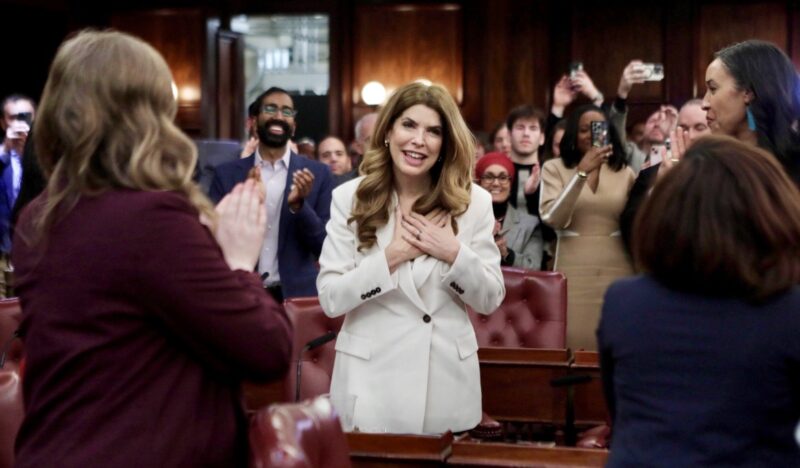
The New York Post interviews New York City Councilmember Julie Menin about New York City Mayor Zohran Mamdani as Menin, who is Jewish, is expected to become city council speaker; Menin said she called Mamdani shortly after his revocation of Israel- and antisemitism-related executive orders to express her concern over the moves…
Florida GOP gubernatorial candidate James Fishback is facing resurgent allegations that he had an inappropriate relationship with a minor who worked at his nonprofit organization in 2022; Fishback called the allegations “completely false”…
Jewish Insider’s Gabby Deutch interviews Zvi Hershcovich, the Philadelphia-based Chabad rabbi running a digital clubhouse for Jewish hockey fanatics…
The Chabad house in Kathmandu, Nepal, is temporarily closed following a dispute with the building’s landlord; Rabbi Chezki Lifshitz and Rebbetzin Chani Lifshitz are looking for a new site for the Chabad house, which is a popular site for Israeli and Jewish trekkers and gained fame for hosting the largest Passover Seder in the world…
The New York Times reports on efforts to repatriate items that had belonged to Holocaust victims to their descendants…
A new report from the Israel Advanced Technology Industries Association found that more than half of the companies surveyed saw an increase in requests from employees to relocate outside of Israel…
Einav Zangauker, who gained prominence in Israel for her advocacy on behalf of her son, Matan, who was a hostage in Gaza, announced Matan’s engagement to Ilana Gritzewsky; Zangauker was released from Hamas captivity in October 2025, while Gritzewsky, who was also taken hostage on Oct. 7, 2023, was freed in November 2023…
Former Israeli hostage Romi Gonen recounted multiple incidents of sexual assault during the 471 days she spent in Hamas captivity in Gaza, in an interview with Israel’s Channel 12…
The BBC reached a five-figure settlement with an Israeli family from the Gaza envelope whose home a BBC reporting team filmed from without permission in the aftermath of the Oct. 7, 2023, Hamas terror attacks…
Egypt and Qatar inked an agreement that will see Doha sending gas to Cairo as Egypt works to diversify its national gas imports…
Swiss officials identified the bodies of Israeli teenager Charlotte Needham and Jewish sisters Alicia and Diana Gunst, who died in a fire at a Swiss ski resort on New Year’s Eve…
Singer Este Haim married tech entrepreneur Jonathan Levin in a New Year’s Eve wedding in Los Angeles…
eJewishPhilanthropy talks to friends and colleagues of philanthropist Morris Kahn, who died last week at 95…
Former Orthodox Union head Rabbi Julius Berman, who previously served as chair of the Conference of Presidents of Major American Jewish Organizations and chair of the board at Yeshiva University’s Rabbi Isaac Elchanan Theological Seminary, died at 80… Holocaust survivor Eva Schloss, the stepsister of Anne Frank, died at 96… Holocaust survivor Edward Gastfriend, who was instrumental in the creation of Philadelphia’s Holocaust Memorial Plaza, died at 100… Record executive and political activist Howie Klein died at 77 (read Phil Klein’s obituary for his father in the National Review here)… Journalist Tatiana Schlossberg, the daughter of Amb. Caroline Kennedy and Edwin Schlossberg, died at 35… Former Rep. Dick Zimmer (R-NJ) died at 81… Richard Pollak, the founder and editor of More magazine, died at 91… Piano virtuoso Gary Graffman died at 87… Longtime Upper East Side veterinarian Lewis Berman, whose clientele included the pets of numerous celebrities and high-profile figures, died at 90…
Pic of the Day

Israel’s Noa Szollos finished 28th in the Women’s Slalom race in Kranjska Gora, Slovenia, at the FIS Alpine Ski World Cup 2025-2026, earning Israel’s first-ever World Cup points in alpine skiing.
Birthdays
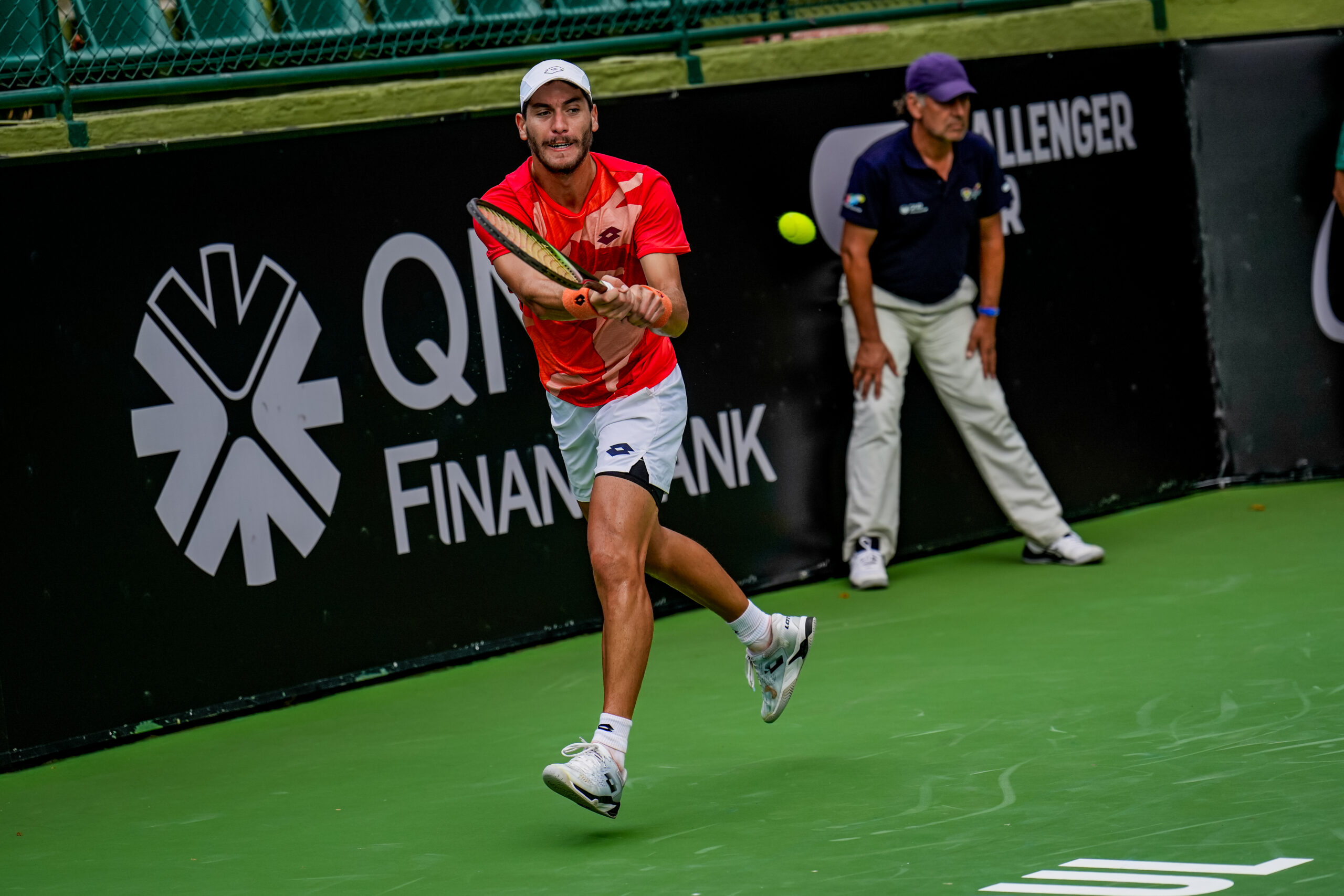
Tennis player ranked No. 1 in Israel for most of 2022, Yshai Oliel turns 26..
Author of 10 books including Mitzvah Man and collections of short fiction including Minyan: Ten Interwoven Stories, John Jacob Clayton turns 91… Sports journalist, author and former ombudsman for ESPN, Robert Lipsyte turns 88… NBA superfan who attends over 100 basketball games nationally each season, James F. Goldstein turns 86… Former member of the Knesset for the National Religious Party, Eliyahu Gabai turns 83… Former Philadelphia mayor for eight years, and then another eight years as Pennsylvania’s governor, currently a special counsel at Ballard Spahr, Ed Rendell turns 82… Retired attorney from Latham & Watkins, Paul Israel Meyer… San Diego-based attorney, she served as a member of Congress and as chief of staff for former California Gov. Gray Davis, Lynn Alice Schenk turns 81… Former attorney general of the U.K, now London co-managing partner and chair of the European and Asian litigation practice at Debevoise & Plimpton, Lord Peter Goldsmith turns 76… CEO of Legacy Interactive / Legacy Games, Ariella Lehrer, Ph.D…. Founder and principal of DC-based Mager & Associates, a boutique public policy and advocacy consulting firm, Mimi Mager… Retired chairman of the Jewish National Fund (Keren Kayemet LeYisrael), Daniel “Danny” Atar turns 68… Journalist John F. Solomon turns 59… Actress and television personality, she is best known for her nine seasons on “The Real Housewives of Orange County,” Heather Paige Kent Dubrow turns 57… Partner of both the law firm Galper & Goldberg PLLC and the PR firm Trident GMG, Joshua P. Galper… Professional poker player with more than $29 million of winnings, including $10 million at the 2025 World Series of Poker Main Event Championship, Michael Mizrachi turns 45… NYC-based saxophonist, composer, bandleader and educator, Oded Tzur turns 42… Founder and creative director of Alsall Studio, a social media and web design firm, Alexandra Lauren Sall…