












































Israel and Iran walk a fine line between restraint and miscalculation
As Israel signals restraint and Iran faces mounting internal pressures, both sides are increasingly wary of miscalculating
Stringer/Getty Images
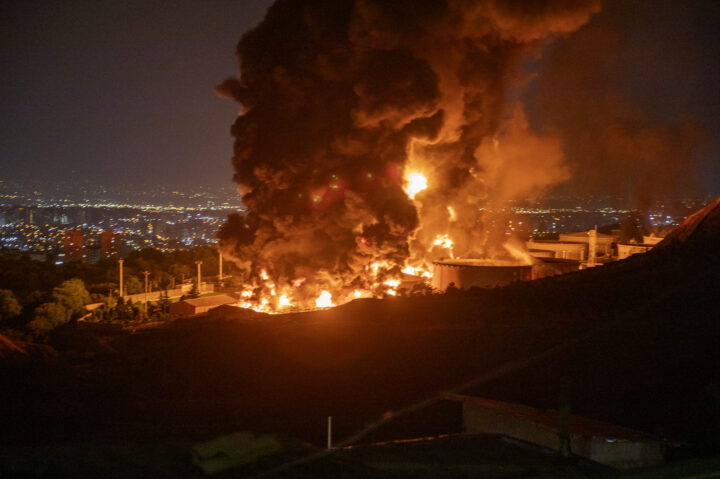
Fire and smoke rise into the sky after an Israeli attack on the Shahran oil depot on June 15, 2025 in Tehran, Iran.


 Add JewishInsider on Google
At the conclusion of the 12-day war in June of last year, both Israel and Iran suspected that the ceasefire brokered by the U.S. would be a pause, not a final cessation of hostilities. That truce has lasted for more than six months, with both sides wary of entering another military conflict — one likely to be more deadly and destructive than the first.
But now, amid destabilizing world events from Venezuela to the Middle East — compounded by growing domestic pressure on the Islamic Republic amid nationwide protests — that ceasefire is even more tenuous, with officials in Tehran and Jerusalem closely watching the other’s every move, careful not to make a potentially disastrous miscalculation — even as both sides make overtures at de-escalation.
Speaking at the Knesset on Monday, Israeli Prime Minister Benjamin Netanyahu said, “President [Donald] Trump and I have expressed a firm stance — we won’t allow Iran to rebuild its ballistic missile industry or to renew the nuclear program, which we damaged severely in Operation Rising Lion.”
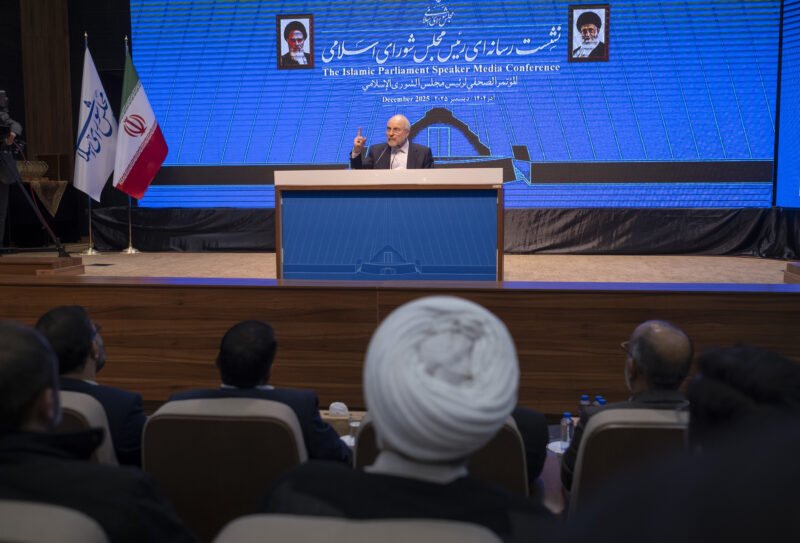
In response, Iran’s newly formed Defense Council warned on Tuesday that the country could act preemptively if it detects clear signs of a threat. “The long-standing enemies of this land … are pursuing a targeted approach by repeating and intensifying threatening language and interventionist statements in clear conflict with the accepted principles of international law, which is aimed at dismembering our beloved Iran and harming the country’s identity,” the council said.
Recent reports suggest that Israel, in an attempt to de-escalate tensions, has used Moscow as an intermediary, communicating through Russian President Vladimir Putin that it has no intention of launching a preemptive strike on Iranian soil. Iranian leaders, including Supreme Leader Ayatollah Ali Khamenei, are unconvinced.
In a post on X, Khamenei accused Israel of deception: “What makes the enemy first request a ceasefire during [12-day] war with the Iranian nation, then send messages saying he doesn’t want to fight us?”
“Now if he doesn’t believe the messaging and thinks that Israel is about to attack then you can understand why Israel is worried Iran is about to miscalculate and attack. Very tense days/weeks ahead of us,” Nadav Pollak, a lecturer on the Middle East at Reichman University, commented on Khamenei’s post.
Pollak told Jewish Insider that he sees the perception gaps between Israel and Iran as the “No. 1 risk for miscalculation. As we’ve seen from Khamenei’s tweet, he doesn’t believe the messages that came from Jerusalem about Israel not planning to attack. In his mind, Bibi just came back from Washington with Trump supporting action against Iran if some red lines are crossed. Bibi also continues to talk about the Iranian ballistic missile threat every week and that Israel will need to do something.”
Israeli commentator Nadav Eyal noted on Dan Senor’s “Call Me Back” podcast that “Israeli security officials are extremely worried about what’s happening vis-a-vis Iran, first and foremost because the Iranians are so tense and they are constantly fearing an Israeli attack themselves. So their first worry is miscalculation … If Iran senses that Israel might attack, it wants to preempt that. If Israel thinks that Iran is going to do that, it would want to preempt that.”
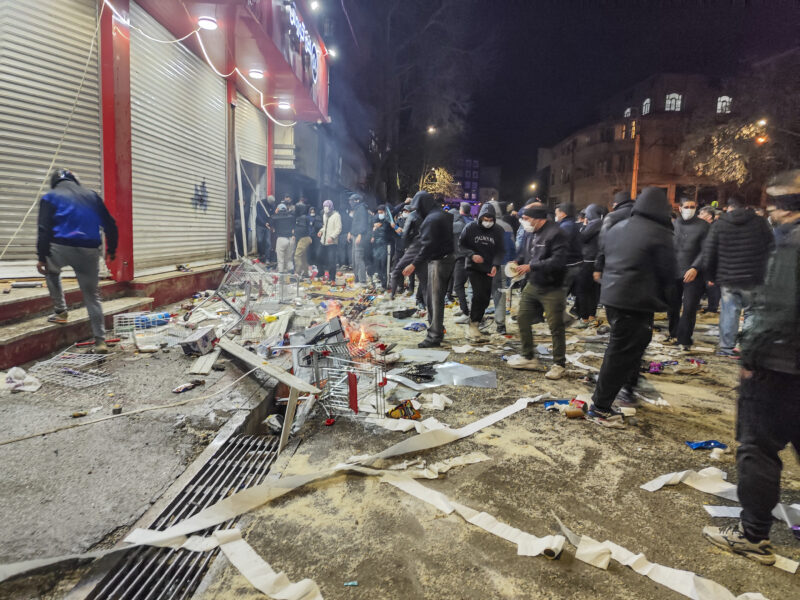
Tehran is also facing trouble at home, amid protests that have spread across the country over the last two weeks. The growing unrest, coupled with the Islamic Republic’s economic and climate woes, has put added pressure on the ayatollahs.
Aaron David Miller, a senior fellow at the Carnegie Endowment for International Peace, told JI that due to the Iranian regime’s vulnerable position amid nationwide protests over a severe economic crisis, “hardliners” within the IRGC could be weighing using a strike to “divert the public” and create national unity. However, he expressed that the decision would be a “strategic mistake,” suggesting that an Iranian strike this year is “highly unlikely.”
“It’s hard to see what the Iranians would gain,” said Miller. “A strike is simply going to wreak additional havoc on what the vast majority of the Iranian public is protesting against, which is inflation, a devaluation of the Iranian currency.”
Blaise Misztal, vice president for policy at the Jewish Institute for National Security of America, echoed those sentiments, adding that any Iranian strike now while the regime in Tehran is “on the ropes” would be “suicidal.”
“It seems unlikely that Iran would choose this moment to attack Israel,” said Misztal. “While it certainly might be looking for some way to distract its citizens from their grievances, all the evidence suggests that external aggression would have the opposite effect.”
Misztal said the Iranian regime is facing skyrocketing inflation and crumbling infrastructure “because it has chosen guns over butter and Iranians know it.”
“To once again pick up guns would only further inflame Iranians’ rightful anger,” said Misztal. “Not to mention that a direct Iranian attack against Israel would surely invite a devastating Israeli, if not also American, response.”
The lingering question is whether the fear of miscalculation will push either side toward action.
More Stories
temple talks
Khanna addresses California synagogues on Israel policy, antisemitism

on the agenda
Trump meeting with Netanyahu at Mar-a-Lago later this month
COMMUNITY CONCERN
Jewish leaders, lawmakers, scramble to protect synagogues amid threatening anti-Israel protests

Fuentes’ following
New report documents foreign engagement driving online antisemitic activity
WATERED DOWN
House amendment to Muslim Brotherhood bill removes key terrorism designation, sanctions provisions