


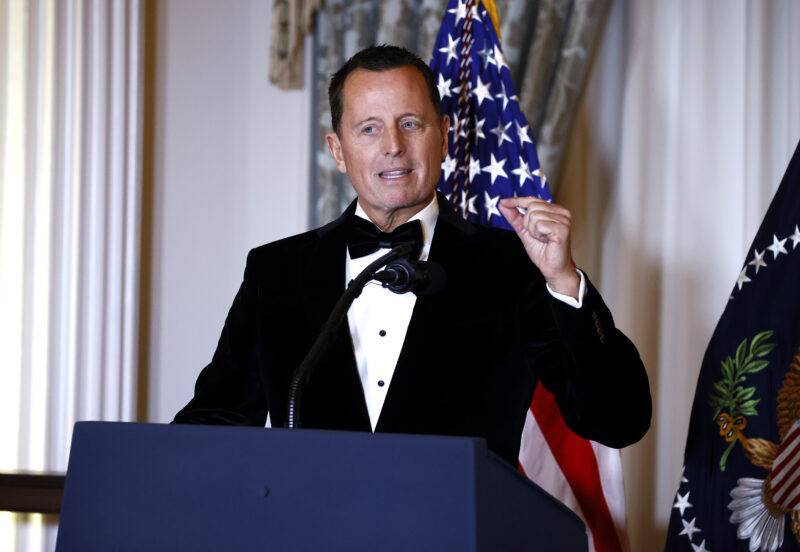







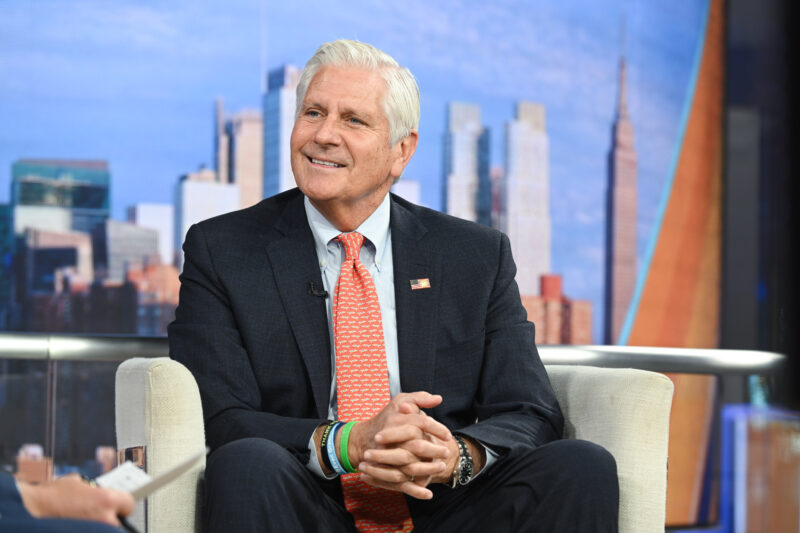




















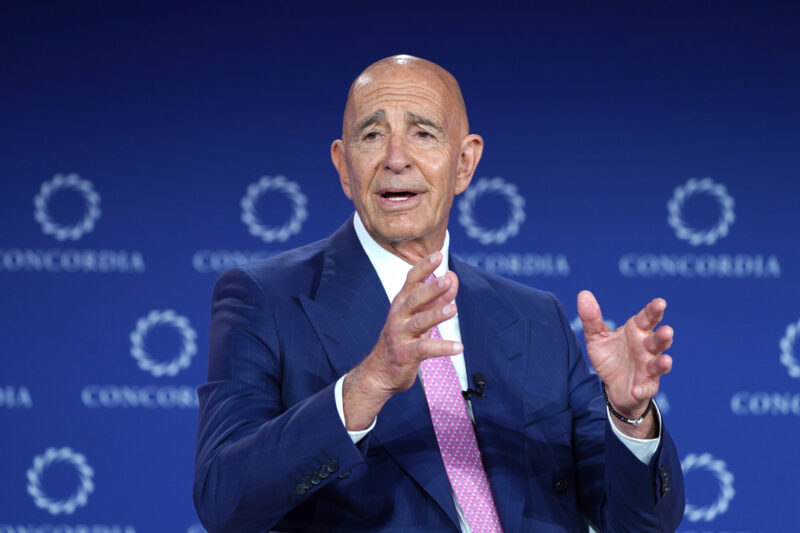












Rich Goldberg reflects on Trump administration service on Energy Dominance Council
The outgoing Trump official praised the president’s ‘willingness to defy, truly, a crowd of idiots out in the Twitter-sphere’ warning about the U.S. strikes against Iran’s nuclear program
FDD
Richard Goldberg


 Add JewishInsider on Google
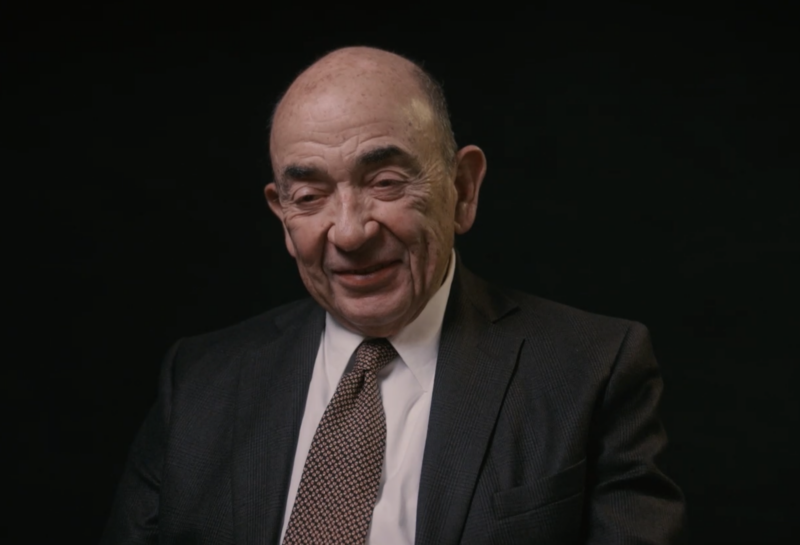
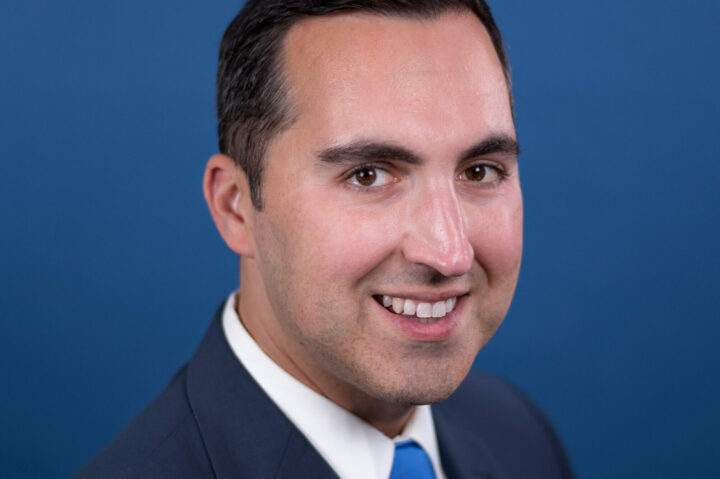
Rich Goldberg, a senior advisor at the Foundation for Defense of Democracies, this week concluded a monthslong stint in the Trump administration as the senior counselor for the White House’s new National Energy Dominance Council (NEDC) and a senior advisor to Secretary of the Interior Doug Burgum.
Goldberg helped launch the NEDC, which he compared in an interview with Jewish Insider this week to a “[National Security Council], only for energy,” coordinating with the White House, Burgum and Secretary of Energy Christopher Wright to build domestic production of energy and exploitation of oil, gas, coal and nuclear resources, as well as critical minerals. That effort includes moves to speed up approvals for energy projects.
He said that the council is particularly focused on the energy demands of the growing AI space, which are “so enormous that we truly have a national emergency on our hands.” He said the U.S. will “lose the [AI] arms race to China” if it can’t increase its capacity to generate power, in partnership with U.S. allies.
He added that the NEDC is also focused on exporting American energy to allies, with the goal of de-linking them from U.S. adversaries and using U.S. energy to promote stability amid potential global energy crises.
As part of the NEDC’s efforts, the U.S. and Israel signed a memorandum of understanding on U.S.-Israel energy and artificial intelligence cooperation during Israeli Prime Minister Benjamin Netanyahu’s July visit to the U.S.
“This has huge potential for the future, when you think about combining the Israeli tech and innovation ecosystem and having the smartest people in Israel and startups focused on power generation, focused on advanced energy solutions, focused on AI applications for energy, and combining that with U.S. infrastructure, U.S. know-how, U.S. leadership,” Goldberg said.
He said that the program could be expanded to include the United Arab Emirates, which is stepping up its investments in the U.S. and in AI.
Goldberg argued that the administration’s “energy dominance” approach can help offset the impacts of global instability, pointing to the Israel-Iran war as an example. He said that the U.S.’ lack of dependence on Middle Eastern oil gave it “flexibility” in taking action against Iran, including imposing primary and secondary sanctions on Iranian oil, and carrying out strikes.
He said that expanding U.S. energy production will also allow it to respond quickly and assist allies and partners if their supplies might be interrupted. Goldberg noted that the administration had reached out to Egypt and Jordan when the war began to ensure their energy supplies wouldn’t be impacted.
“I think we have a lot of flexibility right now, if we wanted to, to curtail Iranian energy flows dramatically,” Goldberg said. “But obviously what [President Donald Trump] directed and accomplished at the end of the 12-day war, combined with what the Israelis accomplished, has given him far more tremendous options and flexibility than any sanctions ever could.”
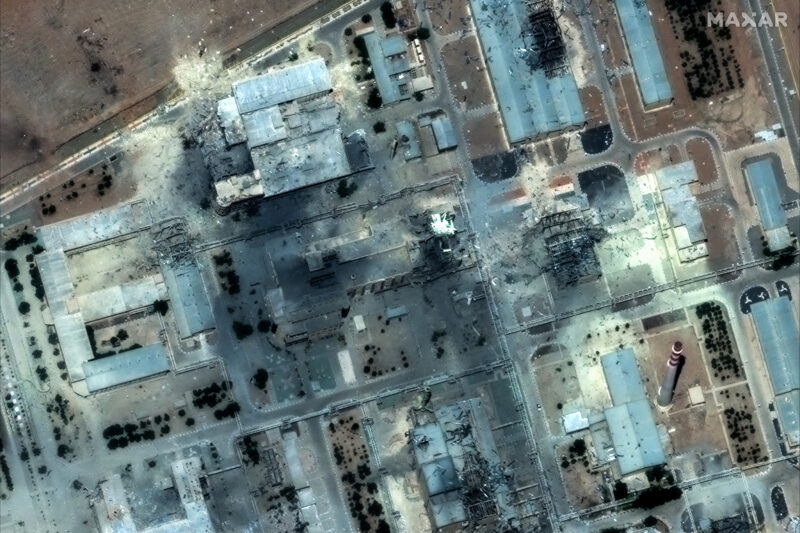
Goldberg argued that the setbacks to Iran’s nuclear program from the U.S. and Israeli strikes have also “dramatically improved the energy shipment picture and our national security picture” in the Middle East, making it more risky for Iran to threaten maritime shipping in the Strait of Hormuz, which he also called a blow to China.
Goldberg also highlighted the fact that the administration recently stopped providing waivers that allowed Iraq to continue purchasing energy from Iran. He said that increased U.S. production allows the U.S. to work with Iraq to de-link its energy supply from Iran.
“The energy sector, the financial sector has been the financial pathway for Iran, along with its terror militias … to maintain effective control and influence over Baghdad,” Goldberg said. “This is not in the U.S. interest, it’s not in Iraq’s interest.”
He said Iraq is “Iran’s Alamo” — one of its last strongholds outside its borders, aside from the Houthis in Yemen — “and we would be committing policy malpractice not to seize the moment.” He added that Iraq also has “tremendous natural resources” that could be developed if the influence and threat of Iranian-backed militias could be eliminated.
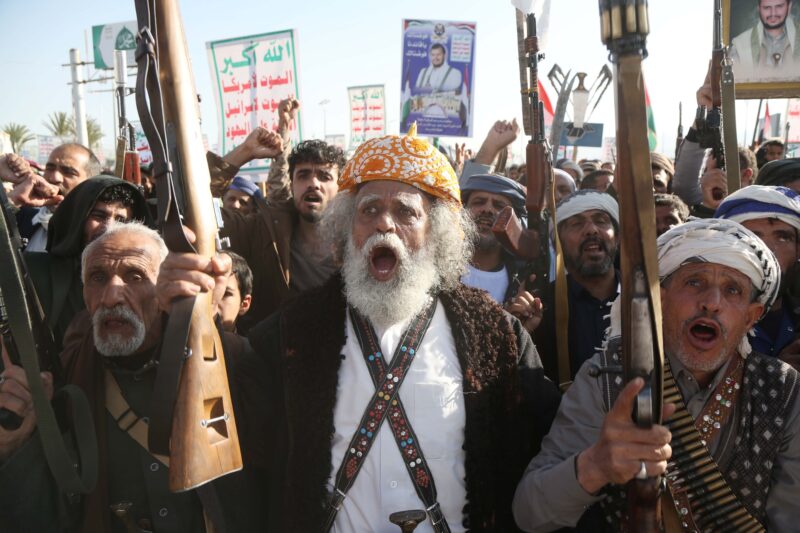
As for the Houthis, Goldberg said that there will need to be “creative ways” to address that threat, involving Gulf partners and Israel.
He said that the Middle East also provides great opportunities for growth in the energy sector, ultimately through the India-Middle East-Europe Corridor (IMEC) — a proposed pipeline, rail and shipping corridor that would run from Mumbai through the Gulf states and Israel to Greece. Saudi-Israeli normalization would be critical to advancing the IMEC vision.
The IMEC proposal would also sidestep the Houthi threat in the Red Sea, Goldberg noted.
“This is where IMEC presents a real game-changing opportunity through energy infrastructure,” he said. “It’s absolutely conceivable and something we should be putting all of our energy behind, politically, to have a Saudi-to-Europe pipeline connection that runs straight through Eilat. The infrastructure is largely mapped out. It would take a relatively modest infrastructure investment upgrade.”
He said that the vision goes beyond simple normalization: “What we’re looking at is complete economic and energy integration and a transformation of global supply chains.” He said that makes him “optimistic” about the future for the region.
Asked about his inside perspective on the Trump administration’s decision-making around the Israel-Iran war and the U.S.’ decision to bomb Iran, Goldberg praised Trump, saying that “you could not have scripted how everything played out better” and lauded Trump for his “willingness to defy, truly, a crowd of idiots out in the Twitter-sphere that were screaming of all kinds of crazy things that might happen if the U.S. did the obvious and removed the Iranian ability to cross the nuclear threshold in any short amount of time.”
Goldberg said that the U.S. strikes were a response to a “core national security interest” and a “clear and present national security threat” that “bogged us down in the world,” “distracted us from longer-term strategic threats” and “increased price premiums” for energy and shipping supply chains.
He also argued that the Israeli military campaign against Iran could not have seen the success that it did unless Trump had been elected president, arguing that the weapons shipments that the Biden administration withheld from Israel were critical to the Israeli operations, as was Trump’s willingness to deploy U.S. military assets to defend Israel. He dismissed the notion that the Trump administration had prematurely forced Israel to cut off its military operation against Iran.
Goldberg said that reimposing United Nations sanctions on Iran through the snapback mechanism would be a critical step toward “enshrining the policy of no reconstitution at the Security Council,” and prevent a future president — he named left-wing Rep. Alexandria Ocasio-Cortez (D-NY) or right-wing podcast host Tucker Carlson — from attempting to revive the Obama-era nuclear deal and granting sanctions relief once again.
“The president, from everything that I have seen, is fundamentally committed to ensuring Iran does not reconstitute its nuclear program, dismantles it further if he can achieve that diplomatically, and is not allowed to continue to foment wars, sponsor terrorism,” Goldberg said. “The Iranians now have to fear Donald Trump using force at any given moment,” he added.
Goldberg said that media reports of breaches between Trump and the Israeli government were “false” and “politically motivated in some sort of disinformation campaign.”
“The one truth I know is that the Trump administration — the president, the prime minister — are closely, closely coordinated,” Goldberg said.
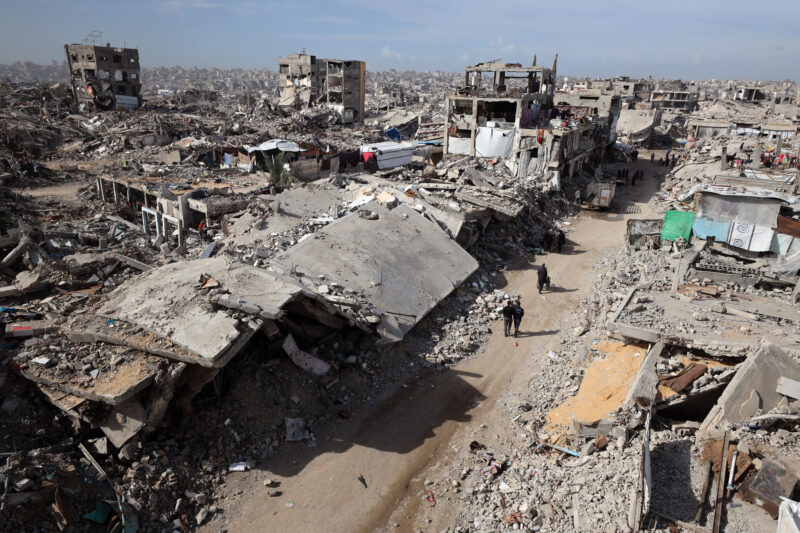
Regarding the future of Gaza, Goldberg emphasized that Hamas has not negotiated in good faith to release the hostages, and said that “at some point, we should have a question of what value the Hamas leaders outside of Gaza present to us” if they are not being helpful — or are actively harmful — in achieving hostage-release deals.
He added that Trump’s proposal for the mass relocation of the population of Gaza for rebuilding and anti-Hamas operations is still on the table if other efforts fail. Goldberg suggested that the existing Israeli strategy of clearing areas but then withdrawing, rather than setting up new governance, had not been successful, but that a new Israeli occupation strategy could provide space for such an approach. He said there are other options that could be “in between those two.”
“[The Gaza Humanitarian Foundation] is fundamentally the greatest assault on the Hamas-international aid humanitarian apparatus that could possibly exist, which is why they need it to die,” Goldberg continued. “If they lose the fight against GHF, if GHF evolves further into something that actually goes into communities … and the IDF facilitates that in some way, and it proves to be successful and [non-Hamas] people are willing to step up” to take on leadership and civil service roles, “you have a hope for Gaza.”
He said that abandoning the GHF or an equivalent effort would be a major victory for Hamas.
More Stories
WATERED DOWN
House amendment to Muslim Brotherhood bill removes key terrorism designation, sanctions provisions
JOHNSON'S JOURNEY
House Speaker Mike Johnson headed to New Square on Sunday to help Mike Lawler

AI ALERT
ADL study finds leading AI models generate extremist content after antisemitic prompts
TERROR TAGS
Florida designates Muslim Brotherhood, CAIR as terrorist organizations

priority check
Trump’s national security strategy balances global engagement with ‘high bar’ for intervention