

































Most Jewish voters oppose Mamdani — but remain divided on an alternative
A poll conducted by the Democratic polling firm GQR found Zohran Mamdani, the Democratic nominee, winning only 37% of Jewish voters
Spencer Platt/Getty Images
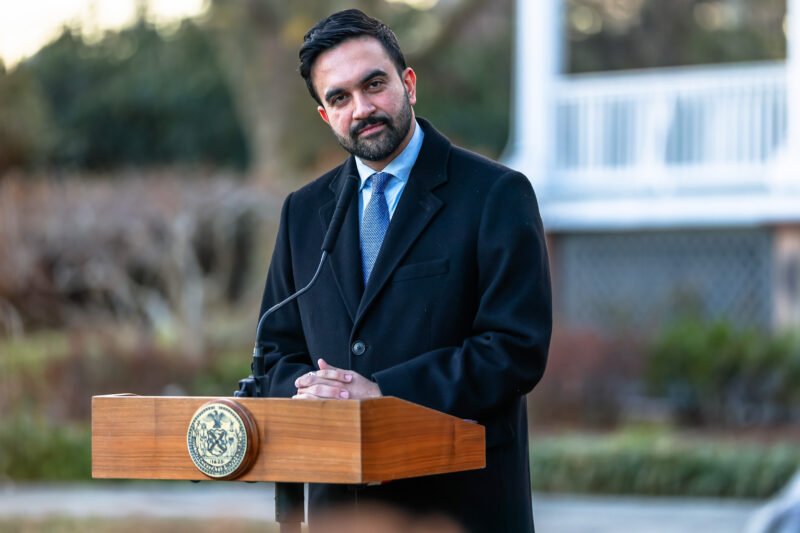
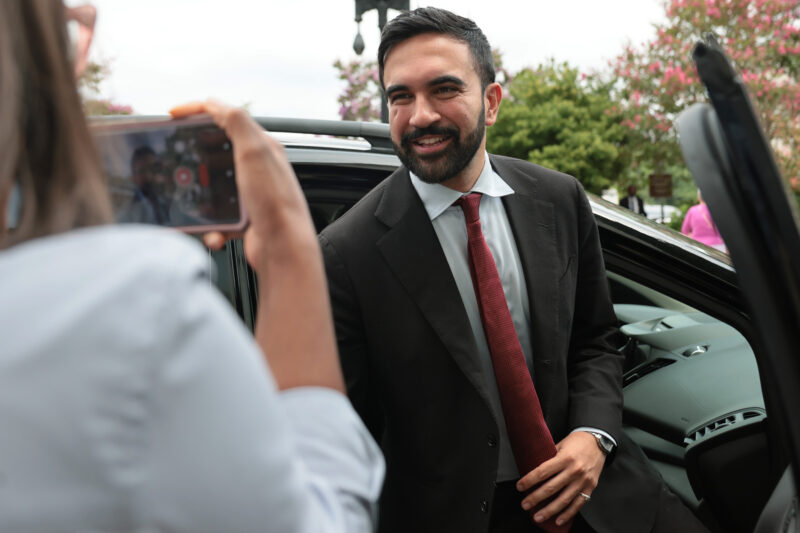
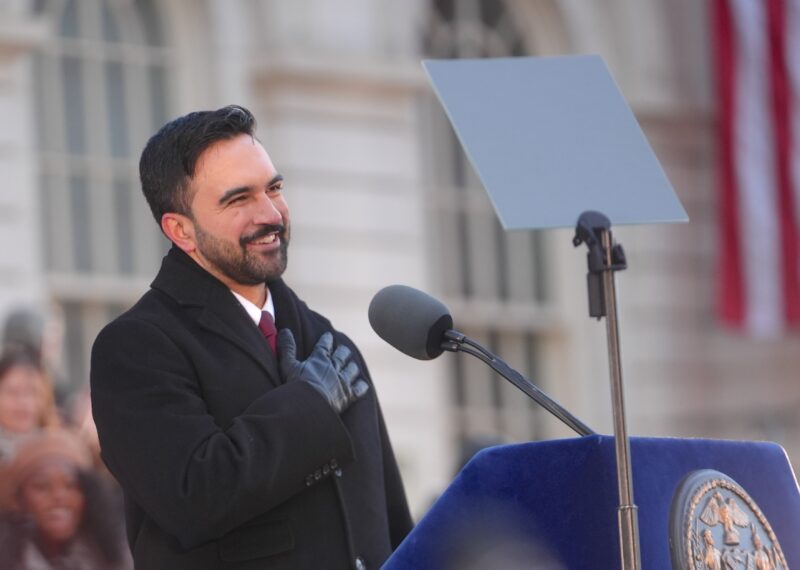
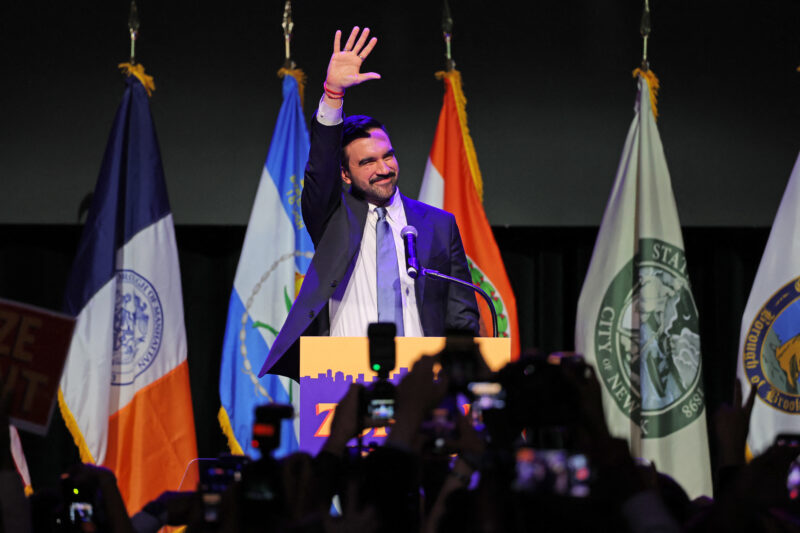
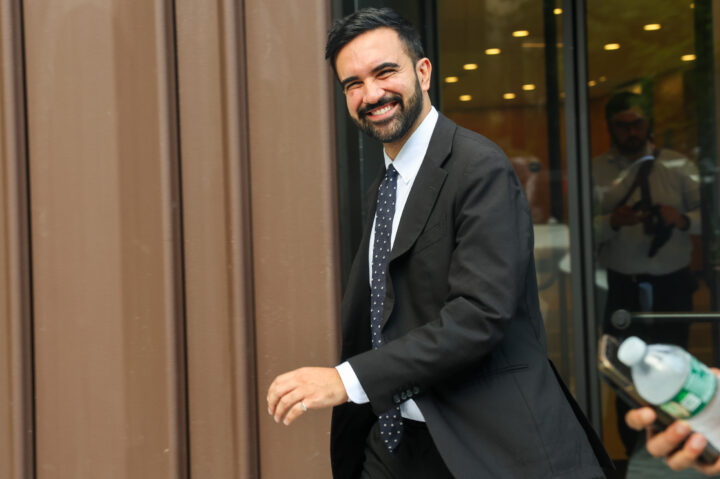
Democratic socialist candidate Zohran Mamdani, who won the Democratic primary for mayor of New York City, attends an endorsement event from the union DC 37 on July 15, 2025, in New York City.


 Add JewishInsider on Google
A new poll of New York City Jewish voters commissioned by the pro-Israel New York Solidarity Network underscores the presence of a cohesive constituency opposed to Zohran Mamdani’s candidacy to become New York City mayor — but also illustrates some of the divisions preventing the city’s Jewish community from speaking with a loud, united voice.
The poll, conducted by the respected Democratic polling firm GQR, found Mamdani, the Democratic nominee, winning only 37% of Jewish voters, with 25% backing Mayor Eric Adams, 21% supporting former Gov. Andrew Cuomo and 14% preferring Republican nominee Curtis Sliwa. The results show that even though most Jewish voters identify as Democrats, a clear majority won’t support the Democratic nominee because of his record on issues of concern to the Jewish community — in a city where registered Democrats outnumber Republicans 6-to-1.
Adams performs particularly well among Orthodox Jews, winning 61% of their vote, while Cuomo leads among Conservative Jewish voters with 35% support. But among unaffiliated and Reform Jews, Mamdani leads with a near majority of the Jewish vote.
Asked if Jewish voters were pro-Israel, two-thirds (66%) responded in the affirmative, while 31% said they weren’t. That’s a slightly larger share of non-Zionist Jews than we’ve seen in national polling. Nearly two-thirds (63%) also said that the “globalize the intifada” rhetoric that Mamdani has defended is antisemitic, with just 27% disagreeing.
Just over half of Jewish voters in New York City (51%) believe Mamdani is antisemitic; 42% of respondents disagree.
The results illustrate the long-standing dynamic of the general election: Mamdani’s political standing is unusually weak as a Democratic nominee, but he continues to benefit from the divided field of opponents — and lack of a coherent strategy to go after the front-runner.
The fact that there isn’t a consensus Mamdani alternative within the Jewish community at this late stage demonstrates the hands-off approach to the race outside groups have taken, despite the very real fears many hold of what a Mamdani mayoralty would look like.
More Stories
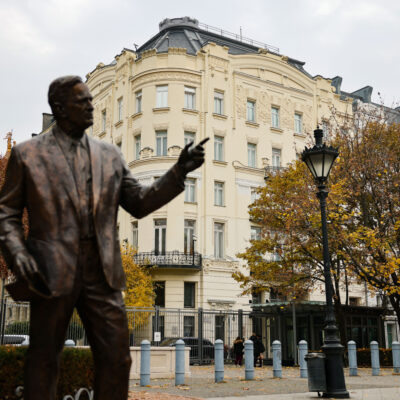
BUDAPEST BEAT
The Orthodox Jewish GOP donor vying to be U.S. ambassador to Hungary
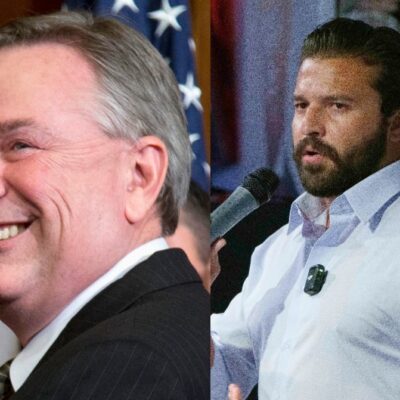
TEXAS TALK
Two Republicans condemned by Jewish groups looking to make comebacks in Texas

MAKING IT OFFICIAL
Trump signs executive order pledging to designate chapters of Muslim Brotherhood as terrorist orgs
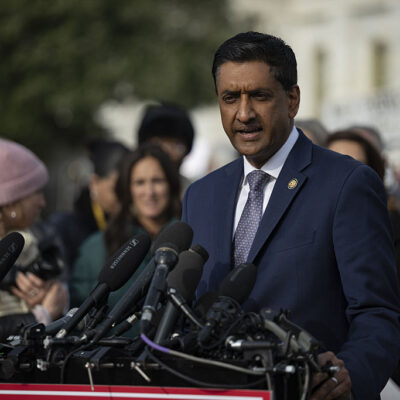
temple talks
Khanna addresses California synagogues on Israel policy, antisemitism
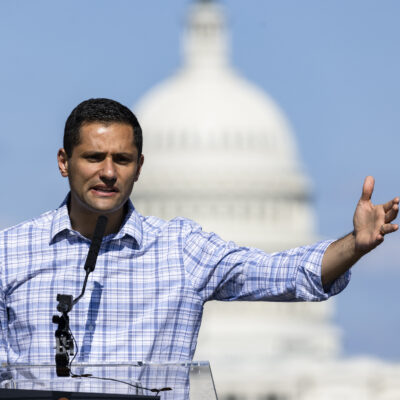
eye on the prize
Virginia lawmaker with history of anti-Israel rhetoric eyes 2026 congressional run
