





































The waiting game after Trump’s Gaza deal
Plus, Khanna distances himself from terror sympathizers


 Add JewishInsider on Google
Good Tuesday morning.
In today’s Daily Kickoff, we report on President Donald Trump’s 20-point proposal to end the Israel-Hamas war, and report on a new Department of Justice lawsuit targeting demonstrators who protested outside of a New Jersey synagogue. We have the scoop on the reintroduction of the bipartisan Pray Safe Act, and report on Rep. Ro Khanna’s effort to distance himself from other speakers at the recent ArabCon conference who promoted terrorism from the stage. Also in today’s Daily Kickoff: Jay Schottenstein, Al Tylis and Sarah Adler Hartman.
Today’s Daily Kickoff was curated by Jewish Insider Executive Editor Melissa Weiss and Israel editor Tamara Zieve, with assists from Danielle Cohen-Kanik and Marc Rod. Have a tip? Email us here.
What We’re Watching
- Defense Secretary Pete Hegseth is convening senior military officials stationed around the world today in Virginia to speak about military standards and the “warrior ethos,” amid concerns from the military’s top brass, including Gen. Dan Caine, chairman of the Joint Chiefs of Staff, over the Pentagon’s priorities. President Donald Trump is slated to attend the summit, being held at Quantico.
- A federal shutdown appears increasingly likely to take effect overnight as Congress faces today’s deadline to pass a spending bill, and as talks last night between Trump and senior congressional leadership failed to yield a breakthrough that would keep the government open.
- The Atlantic Council is holding a conversation with Palestinian-American researcher and activist Ahmed Fouad Alkhatib about efforts to stabilize and rebuild Gaza in a postwar scenario.
- This evening, Democratic Majority for Israel will host a virtual briefing with Rep. Greg Landsman (D-OH) on the implications of yesterday’s White House meeting, the status of the Gaza war, political developments in Jerusalem and Landsman’s reflections on his recent trip to Israel.
What You Should Know
A QUICK WORD WITH JI’S LAHAV HARKOV
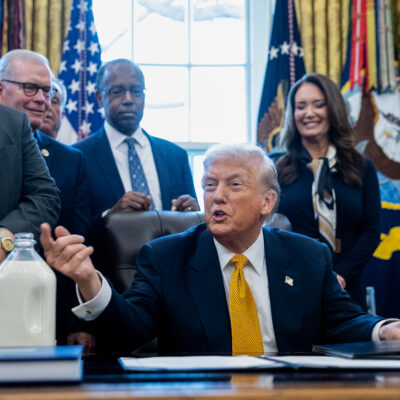
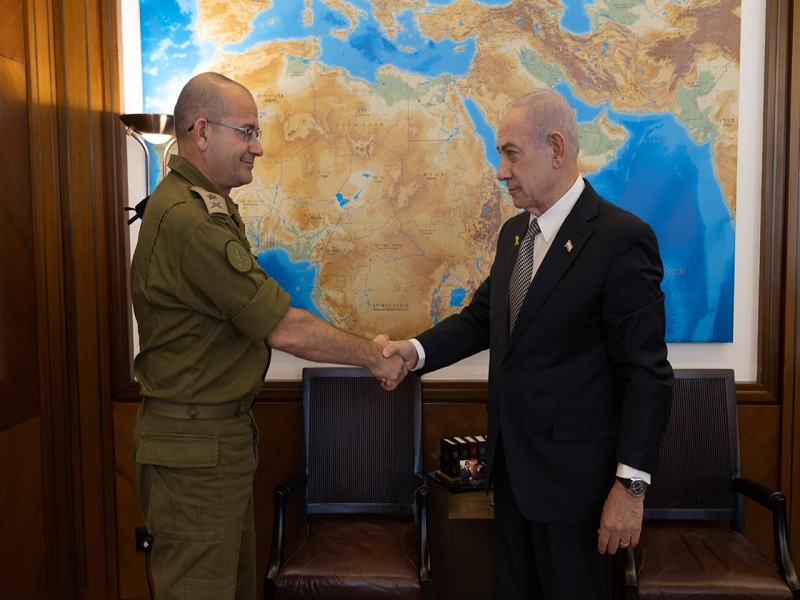
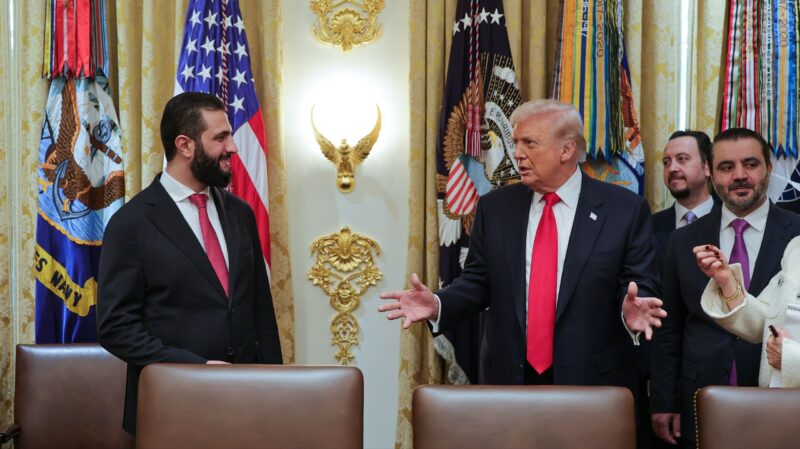
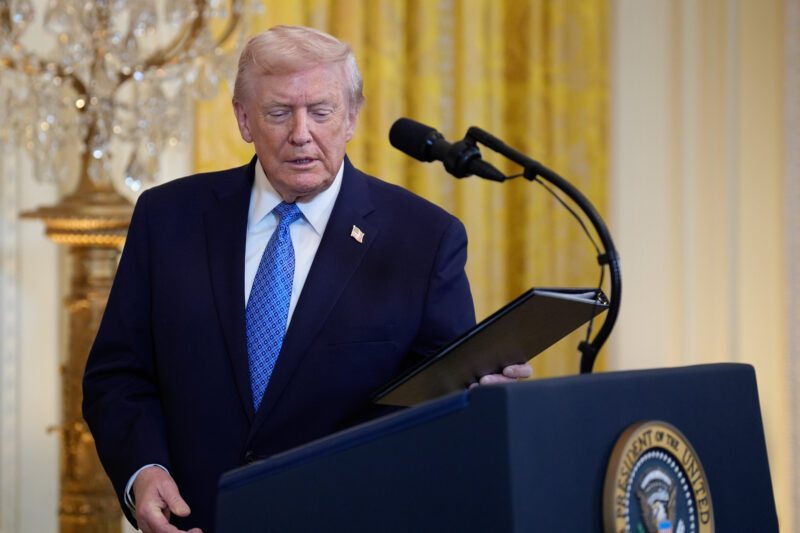
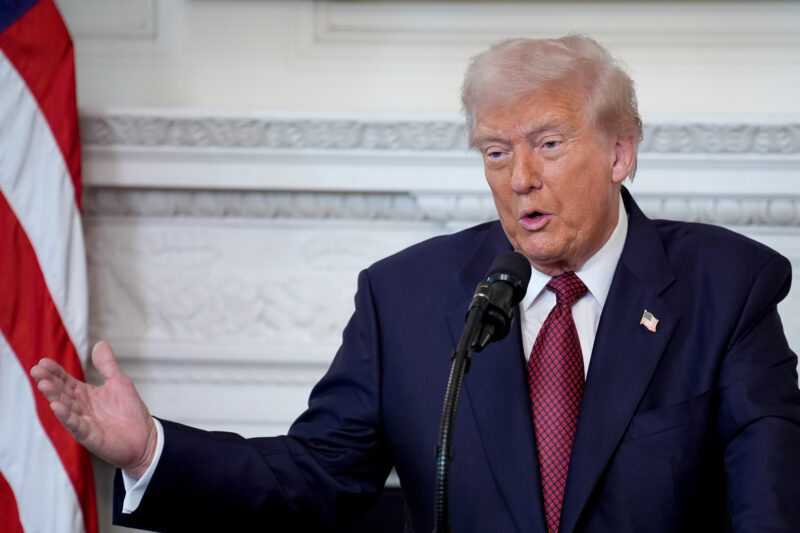
With Israeli Prime Minister Benjamin Netanyahu accepting President Donald Trump’s 20-point plan to end the war in Gaza at the White House on Monday, the ball is now in Hamas’ court. Read more here from JI’s Gabby Deutch on Trump and Netanyahu’s press conference.
Whether Hamas would agree to release the hostages first, before Israel makes any concessions other than stopping the fighting, remains to be seen. There is also newfound pressure on Qatar, a chief patron of Hamas, to convince the terror group to accept the deal.
The late elder Israeli statesman Abba Eban famously said, “The Arabs never miss an opportunity to miss an opportunity.” In readily accepting Trump’s plan, Netanyahu is counting on Hamas to do just that.
That’s not to say that Netanyahu opposes the plan. His calculus may be that he will be able to execute the parts he supports, while the aspects he finds less favorable are unlikely to materialize anyway — largely, he believes, due to the Palestinians’ own intransigence.
As Netanyahu noted in the press conference, the plan meets all of Israel’s war aims: Bringing back the hostages, dismantling Hamas — most of which Israel already did in the war — and making sure it no longer poses a threat to Israel, through demilitarization and deradicalization. Other elements of the plan that Israel has long said would be part of the “day after” for Gaza are a technocratic government with help from international partners, and the IDF retaining a buffer zone inside Gaza’s perimeter. Netanyahu also reportedly secured 11th-hour edits to the plan regarding the IDF’s withdrawal and Hamas’ disarmament prior to the press conference.
But the details are tricky.
For example, Point 17 of the plan: “In the event Hamas delays or rejects this proposal, the above, including the scaled-up aid operation, will proceed in the terror-free areas handed over from the IDF to the [International Stabilization Force].”
In other words, if Hamas rejects the plan, humanitarian aid “without interference” — likely including dual-use items that could be exploited by terrorist organizations — would still be immediately and significantly scaled up and managed by the United Nations and Red Crescent, among others. Once an international force is put together, the IDF would still be expected to retreat from areas in which it has defeated Hamas. And a transitional, technocratic government overseen by Trump and former British Prime Minister Tony Blair’s “Board of Peace” would be put into place.
HILL REACTIONS
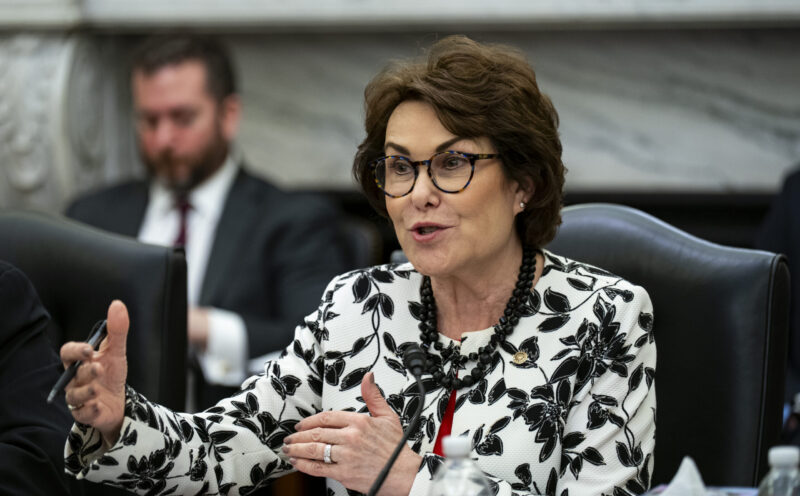
Senators react to Trump’s Gaza plan with cautious optimism
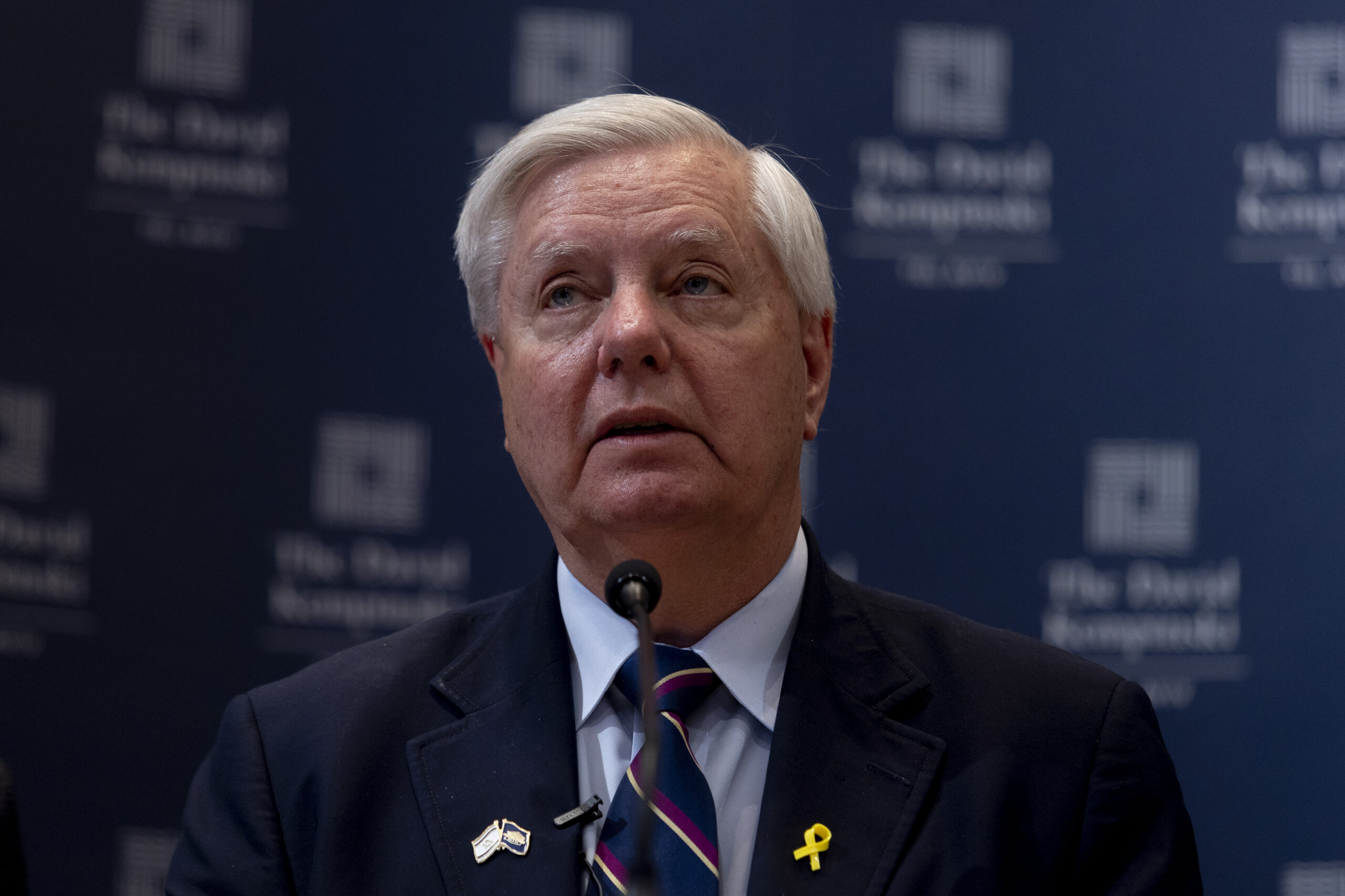
Senators reacted with cautious optimism — and a degree of skepticism — to President Donald Trump’s announcement on Monday of a sweeping deal that would end the war in Gaza, see the release of the remaining hostages and facilitate reconstruction of the Gaza Strip, Jewish Insider’s Marc Rod and Emily Jacobs report.
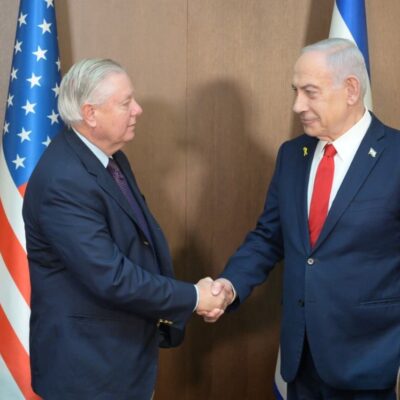
Close eye: Sen. Lindsey Graham (R-SC) warned that the execution of the deal would require close monitoring of Hamas’ compliance and that long-term peace in the region will likely require eliminating Iran’s other proxies, in addition to Hamas. “I hope Hamas agrees — we’ll get the hostages home. Distrust and verify with these guys,” Graham said. “A lot of loopholes if you don’t watch it, but I hope we can land this deal.”
Read the full story here with additional comments from Sens. John Cornyn (R-TX), Rick Scott (R-FL), Kevin Cramer (R-ND), Ted Budd (R-NC), Jim Risch (R-ID), John Kennedy (R-LA), Chris Coons (D-DE), Richard Blumenthal (D-CT), Peter Welch (D-VT) and Jeanne Shaheen (D-NH).
Communal reaction: Jewish groups are rallying behind Trump’s peace plan, with organizations from AIPAC to J Street voicing initial support for the proposal, eJewishPhilanthropy’s Judah Ari Gross reports.
OLIVE BRANCH
During Trump meeting, Netanyahu apologized to Qatari leader for Doha strike

During a meeting between Israeli Prime Minister Benjamin Netanyahu and President Donald Trump at the White House on Monday, Netanyahu apologized to Qatar’s prime minister, Sheikh Mohammed bin Abdulrahman al-Thani, for killing a Qatari serviceman in an attempted strike on Hamas leadership in Doha and promised not to violate Qatari sovereignty again, Jewish Insider’s Marc Rod reports. News of the apology has been met with frustration and scorn from Netanyahu’s political allies and opponents in Israel.
Notable quotable: According to remarks released by the Israeli government, Netanyahu told Al Thani, “I want you to know that Israel regrets that one of your citizens was killed in our strike. I want to assure you that Israel was targeting Hamas, not Qataris. I also want to assure you that Israel has no plan to violate your sovereignty again in the future, and I have made that commitment to the president.” Netanyahu also acknowledged Qatar’s “grievances against Israel” as well as Israel’s own issues with Qatar “from support for the Muslim Brotherhood to how Israel is portrayed on Al Jazeera to support for anti-Israel sentiment on college campuses.”
CONFERENCE CONTROVERSY
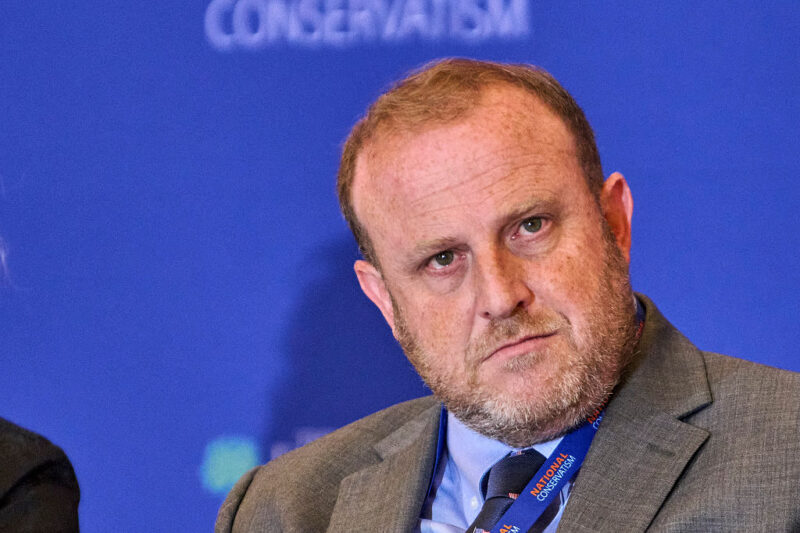
Khanna distances himself from pro-terror speakers at anti-Israel conference and defends ‘free speech’

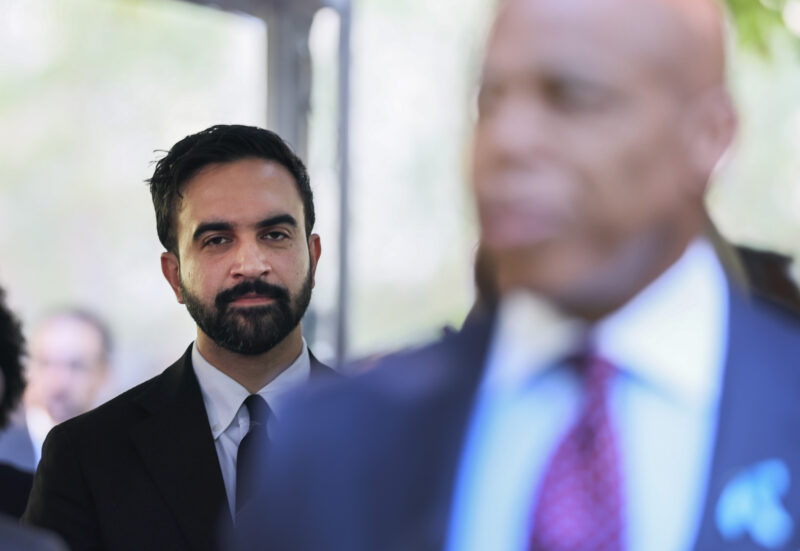
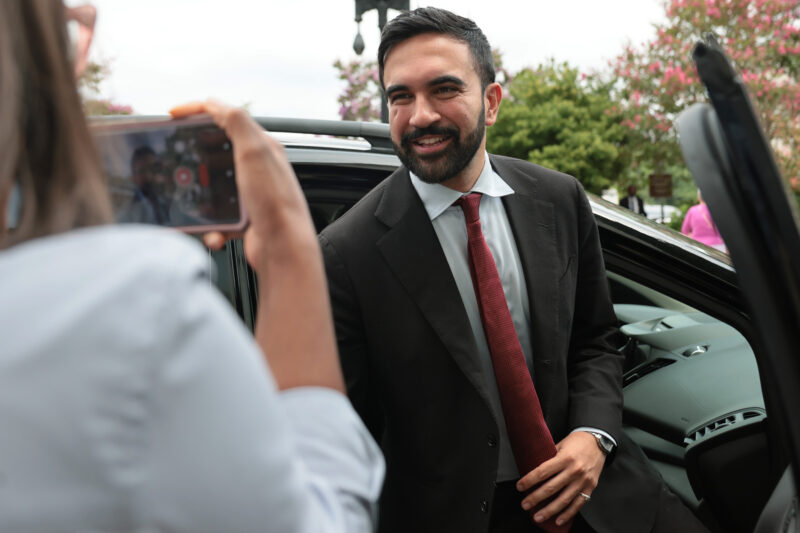
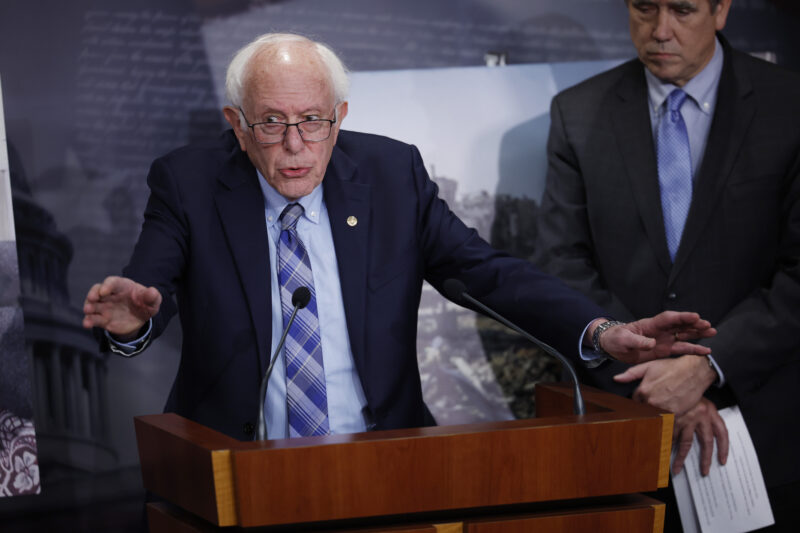
Rep. Ro Khanna (D-CA) distanced himself from some speakers and attendees at the ArabCon conference that he attended in Dearborn, Mich., while defending their First Amendment right to free speech, Jewish Insider’s Marc Rod reports. At the conference, held last week, several panelists laughed at the notion of condemning the Oct. 7, 2023, Hamas attacks, defended Hamas as “Palestinian resistance” and said the group should not be condemned and defended convicted terrorists and terrorist financiers, according to excerpts of the event shared online.
Responding: During his own separate panel at the event, Khanna dismissed the notion that there were any “pro-terror radical[s]” speaking at the event or attending the conference, referencing criticism he faced prior to the event. “I don’t agree with everyone who spoke at the conference, but I do believe in free speech. You can’t just be for free speech when it’s convenient. I’ve unequivocally condemned the Oct. 7 attacks and called for the release of the hostages,” Khanna said in a statement to JI on Monday, when pressed about whether he considered the comments of other speakers and attendees to constitute pro-terror radicalism.
HARBORING HATE
Study: Antisemitism ‘thriving in plain sight’ on X

Antisemitism is “thriving in plain sight” on Elon Musk’s social media platform X (formerly Twitter), according to a new study by the Center for Countering Digital Hate and the Jewish Council for Public Affairs, Jewish Insider’s Danielle Cohen-Kanik reports.
Breakdown: The study, first shared with CNN, conducted an analysis of over 679,000 antisemitic posts made over a year on the site and found that, despite the platform’s own anti-hate policies and commitment to reduce visibility of hateful content, X “not only tolerates” antisemitic conduct “but allows users to monetize it, giving antisemitic influencers both reach and revenue.” With the assistance of ChatGPT, the study categorized the posts into Jewish control or power conspiracies, Jewish satanic conspiracies and Holocaust denial, with control or power conspiracies accounting for the plurality (44%) of the total likes and views. All posts included were viewed 193 million times in total.
DOJ SUIT
Justice Department sues individuals involved in demonstration at N.J. synagogue

The Department of Justice filed a civil suit on Monday against several protesters and anti-Israel groups for their involvement in a demonstration last November at a West Orange, N.J., synagogue, Congregation Ohr Torah, Jewish Insider‘s Marc Rod reports.
The details: The DOJ complaint alleges that the Party for Socialism and Liberation-New Jersey, American Muslims for Palestine-New Jersey and six individuals engaged in physical assaults and antisemitic and threatening chants, as well as defied police orders. The suit was brought under the Freedom of Access to Clinic Entrances (FACE) Act, traditionally used against those who block access to abortion clinics, but which also includes provisions barring the use of force, threats, intimidation or physical obstruction to interfere with the right to worship.
EXCLUSIVE
Senate, House lawmakers to reintroduce Pray Safe Act
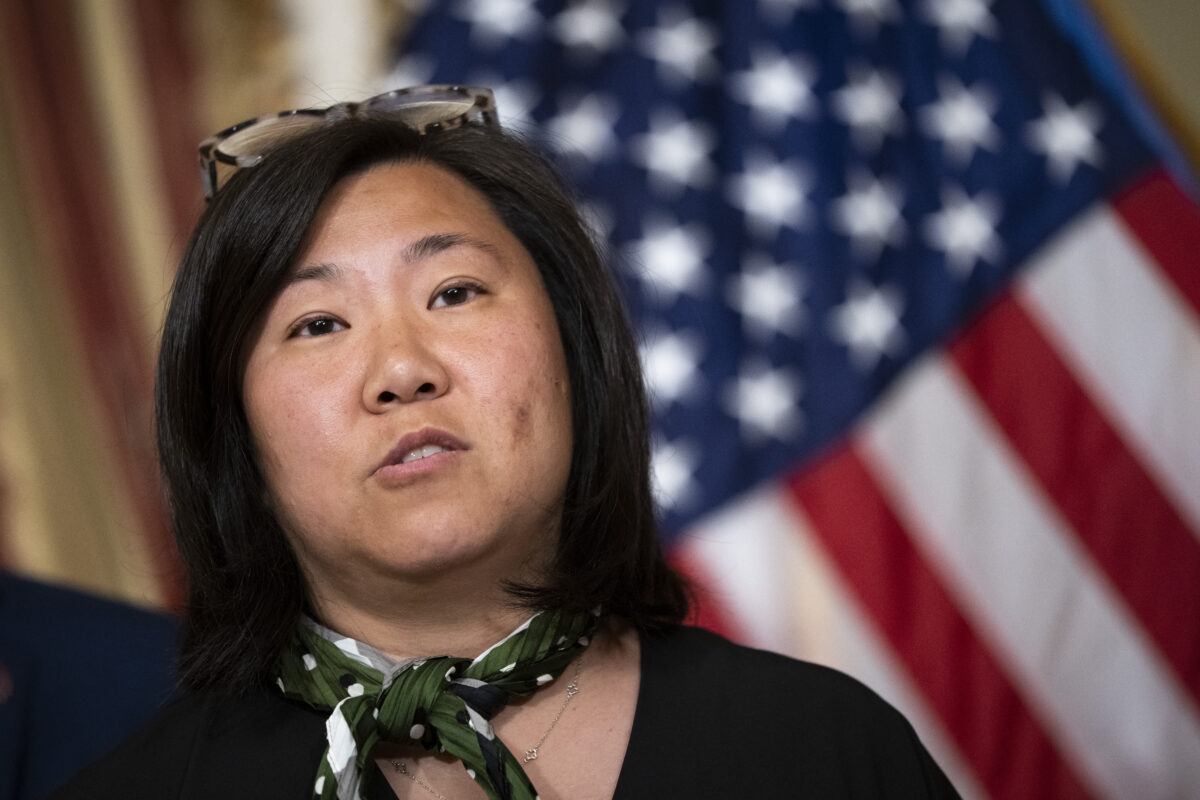
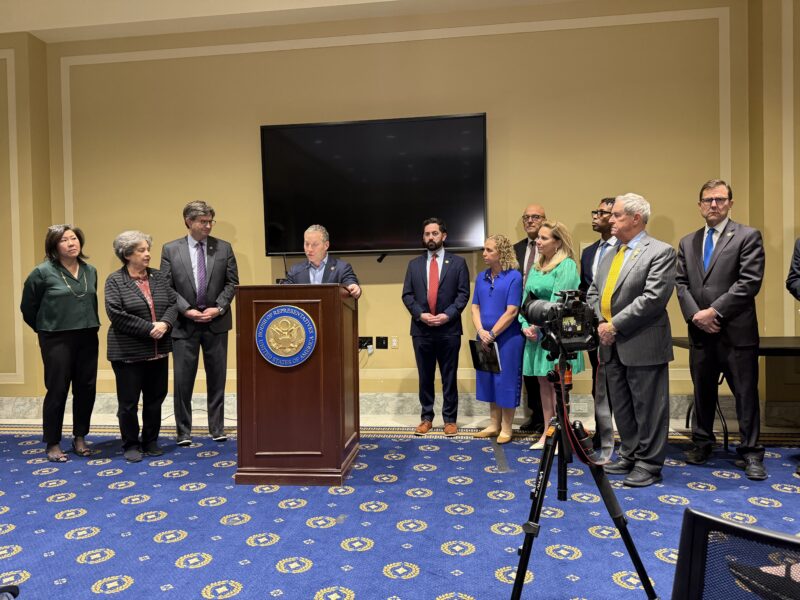
Senate and House lawmakers on Tuesday are expected to reintroduce the Pray Safe Act, a long-gestating bill that would create a federal database and clearinghouse for security best practices, training materials and grant opportunities for religious nonprofits, Jewish Insider’s Marc Rod reports.
The latest: The legislation is being led by Sens. Maggie Hassan (D-NH) and Ron Johnson (R-WI) and Reps. Grace Meng (D-NY) and Maria Elvira Salazar (R-FL) and comes after a series of high-profile attacks at religious institutions, including mass shootings at a Catholic church in Minneapolis and a Mormon church in Michigan.
Worthy Reads
Jean Mutation: The Wall Street Journal’s Suzanne Kapner interviews American Eagle CEO Jay Schottenstein about the company’s marketing success, months after its viral Sydney Sweeney “great jeans” ad campaign. “Schottenstein uses a Yiddish word to describe his long-held goal for American Eagle: ‘to put a pair of jeans on every tuchis in the United States.’ The 71-year-old has an uncanny ability to discern what young shoppers want. … While visiting Israel with his granddaughters in 2017, he noticed they were going wild for flow ring bracelets that looked like slinkies. He tracked down the manufacturer and sold them in American Eagle stores, generating nearly $1 million in sales. Schottenstein has honed his instincts over decades in a retail business founded by his grandfather, Ephraim, a Lithuanian immigrant, who opened a department store in Columbus, Ohio, in 1917.” [WSJ]
Door Opening to Peace?: The Washington Post’s David Ignatius weighs in on President Donald Trump’s 20-point plan to end the Israel-Hamas war. “The ‘New Gaza’ proclaimed by Trump would ease the agony of Palestinian civilians ravaged by the war while marking an end to the suffering Israel has endured since the brutal Hamas terrorist attack of Oct. 7, 2023. Gaza’s buildings are mostly shattered ruins, and the ground is soaked in blood. Palestinian civilians live in hunger and fear, as do Israeli hostages. It’s time for the fighting to end. Trump often overstates the significance of his actions, but not here. His ‘Board of Peace’ to oversee political transition in Gaza is a potential game changer. … The door to something different seemed to open slightly Monday. On this, Trump deserves the credit he craves. We can only hope and pray that he and his new coalition of Arab and Israeli allies will keep pushing.” [WashPost]
Word on the Street
The Pentagon is pushing missile suppliers to increase production rates amid concerns regarding low U.S. stockpile levels and in preparation for a potential future conflict with China…
Michael Friedman, who previously served as special assistant to the president for presidential personnel, was appointed chief of staff to Treasury Secretary Scott Bessent…
House Education Committee Chairman Tim Walberg (R-MI) and Rep. Elise Stefanik (R-NY) wrote to Harvard‘s president requesting information about whether the school is taking promised steps to address antisemitism on campus. The letter accuses the school of obstructing a law enforcement investigation into an antisemitic attack and supporting those involved, failing to follow through on its commitment to implement the International Holocaust Remembrance Alliance’s working definition of antisemitism and slow-walking a decision on whether to end its partnership with Birzeit University…
The Office for Civil Rights in the Department of Health and Human Services sent a letter to Harvard beginning a process that could render the school ineligible for future federal grants…
A new New York Times/Siena poll found that 51% of Americans oppose sending U.S. military aid to Israel; a 36% plurality said they sympathize more with the Palestinians, 35% said they sympathize more with the Israelis and 31% said “both equally” or they didn’t know…
Staff and allies of former New York Gov. Andrew Cuomo told Politico that more money has begun flowing into his mayoral campaign and allied super PACs since Mayor Eric Adams suspended his campaign, giving Cuomo an outside chance to consolidate voters who oppose front-runner Zohran Mamdani with just over a month to go in the race…
A circuit court in Virginia found that American Muslims for Palestine to be in civil contempt of court for failing to comply with a request from the commonwealth’s attorney general, Jason Miyares, regarding the group’s potential violations of Virginia’s charitable solicitation laws…
Apollo announced yesterday the launch of Apollo Sports Capital, to be helmed by Al Tylis with the goal of investing in sports franchises, media and events…
New York Gov. Kathy Hochul announced a competition to design a memorial for Supreme Court Justice Ruth Bader Ginsburg, which will be situated in Brooklyn Bridge Park…
Maurice Shnaider, the uncle of slain Israeli hostage Shiri Bibas, filed a complaint against Iran at the International Criminal Court, accusing the Islamic Republic of complicity in crimes against humanity, war crimes and genocide and demanding the issuance of arrest warrants for Iranian Supreme Leader Ayatollah Ali Khamenei and Islamic Revolutionary Guard Corps head Esmail Qaani…
Former Israeli MK Michal Cotler-Wunsh, resigned as Israel’s special envoy to combat antisemitism, a voluntary position, citing what she said was the government’s failure to take the issue seriously…
The U.S. deported approximately 100 Iranian migrants back to Iran, in a deal made between Washington and Tehran amid a broader illegal immigration crackdown by the Trump administration…
Sarah Adler Hartman was named the next CEO of the Texas Tribune; read JI’s 2021 profile of Hartman here…
Pic of the Day
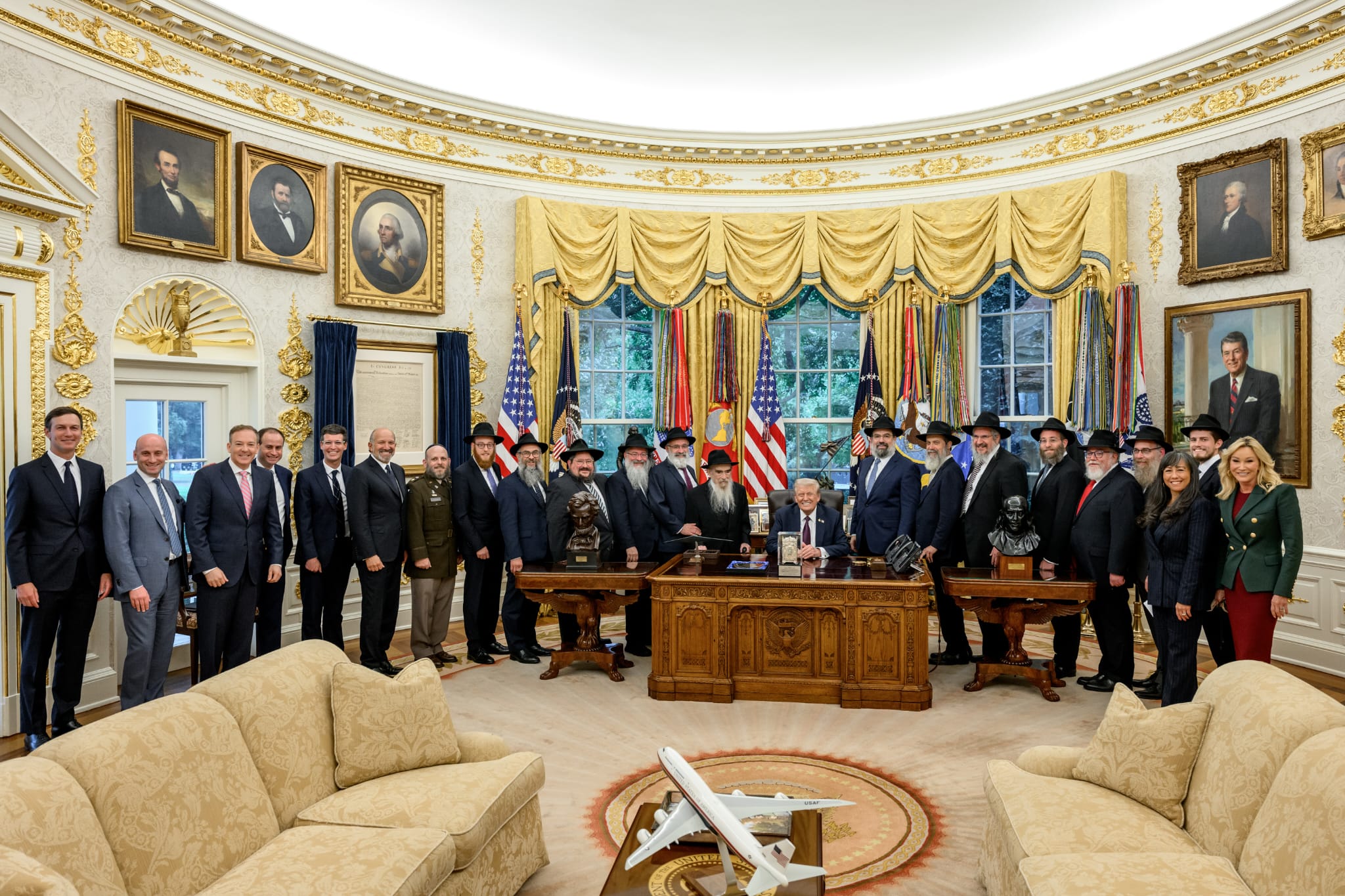
A delegation from Chabad-Lubavitch met on Monday with President Donald Trump, Jared Kushner, White House Deputy Chief of Staff Stephen Miller, EPA Administrator Lee Zeldin, Staff Secretary Will Scharf, Liaison to the Jewish Community Martin Marks, Commerce Secretary Howard Lutnick, Chief of Staff Susie Wiles and Paula White. The meeting was a belated celebration of Education and Learning Day USA, which honors the Lubavitcher Rebbe, Rabbi Menachem Mendel Schneerson.
Birthdays
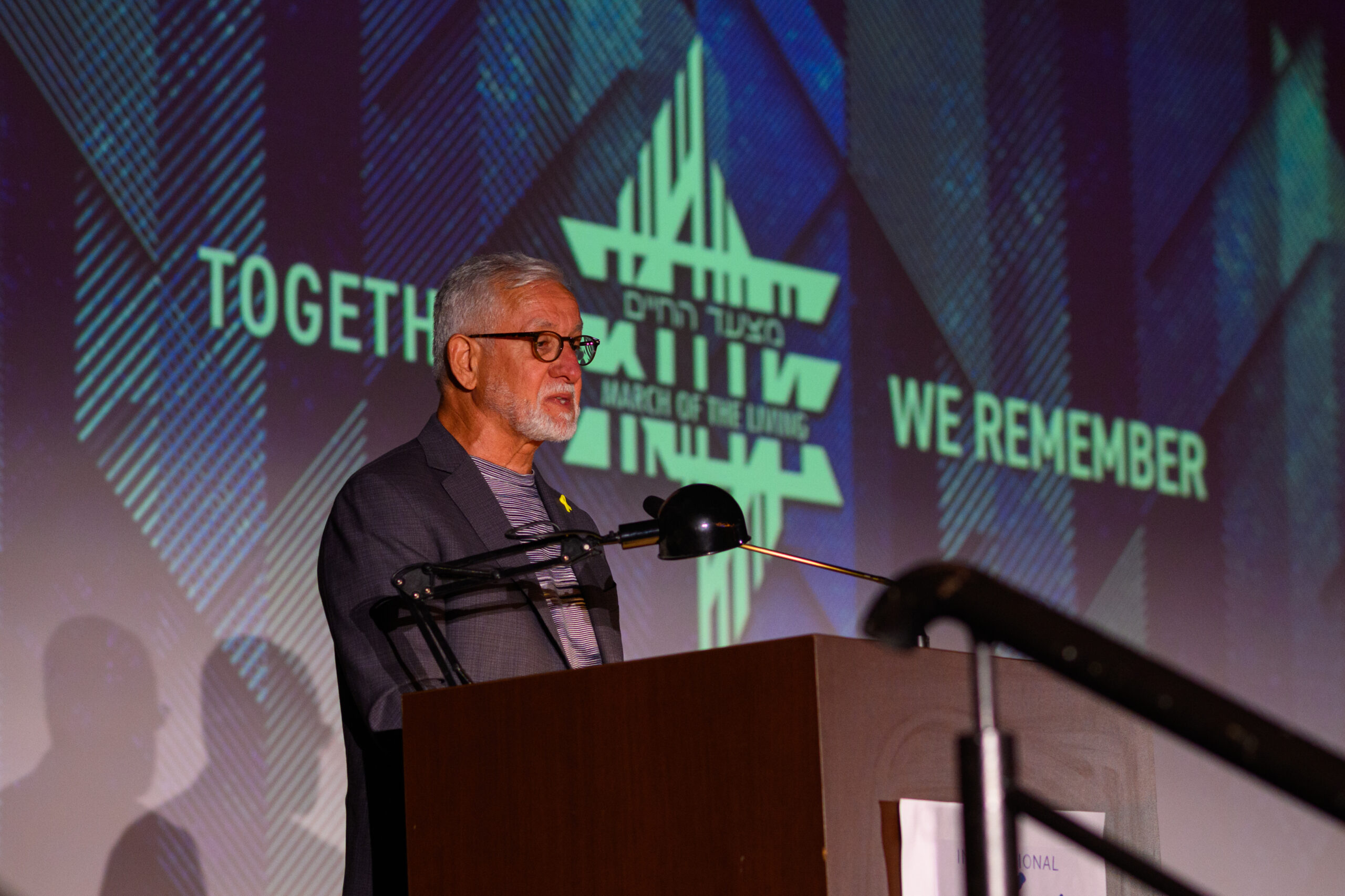
Founder and president of the Menomadin Group and president of the Menomadin Foundation, Haim Taib turns 65…
Former prime minister of Israel, Ehud Olmert turns 80… IT developer and business analyst, Sanford Kadish… Past president of The Washington Institute for Near East Policy, she is on the board of The Tikvah Fund, Rochelle A “Shelly” Kassen… Chairman and CEO of AMC Entertainment, he is a co-owner of the Philadelphia 76ers, Adam Maximilian Aron turns 71… Actress and activist, she completed her second term as president of the SAG-AFTRA trade union a few weeks ago, Fran Drescher turns 68… Professor of mathematical logic at Oxford, Ehud Hrushovski turns 66… Journalist for Haaretz, Allison Kaplan Sommer… Professor of healthcare economics at MIT and an architect of Romneycare and Obamacare, Jonathan Gruber turns 60… Leora Lily Ihilevich Usman… Lisa K. Robbins… Israel’s U.N. ambassador until 2024, now global president of Magen David Adom, Gilad Menashe Erdan turns 55… Former SVP of digital product management at The Advertising Council, now a consultant to nonprofits, Anastasia Goodstein… European affairs editor for The Washington Post, David Herszenhorn… CEO of Via Trading Corporation, Jacques Stambouli… President and CEO of Hadar Institute in Manhattan, Rabbi Eliezer “Elie” Kaunfer… Founder and partner at Artemis Strategies, a boutique consultancy, Hildy Kuryk turns 48… Host of NPR’s “All Things Considered,” Ari Michael Shapiro turns 47… Member of the Kentucky House of Representatives since 2023, Daniel Grossberg turns 47… Screenwriter, director, producer and actor, Jonathan Peter Kasdan turns 46… Founder of the Jerusalem-based Interfaith Center for Sustainable Development, Yonatan Neril turns 45… Computer scientist and entrepreneur, he is a co-founder and president of Palantir Technologies, Stephen Cohen turns 43… Chief news editor at Business Insider, Steven Russolillo… Mixed martial artist who competed in the lightweight division in the Ultimate Fighting Championship, Natan Levy turns 34…