
























































The shifting politics of being pro-Israel

Avi Ohayon/GPO
Israeli Prime Minister Benjamin Netanyahu meets with Senate leadership in Washington on Thursday, February 6, 2025.


 Add JewishInsider on Google
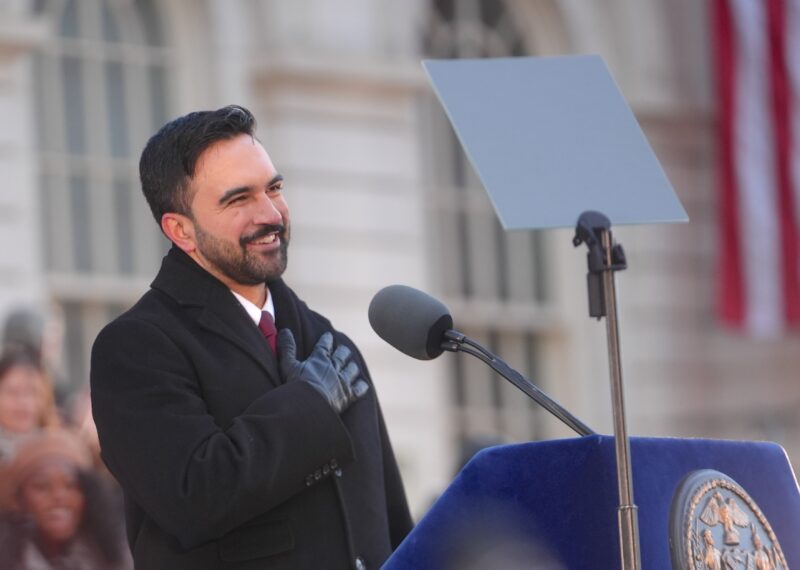
Last week, Maryland Gov. Wes Moore stood before a crowded room of Jewish attendees just outside the nation’s capital, and proclaimed: “Today, I want to be loud and clear, that Maryland stands with the Israeli people and we support their right to exist in the region with the same sense of safety and security that we all want,” Moore told attendees at the Jewish Community Relations Council of Greater Washington’s annual “Lox and Legislators” event.
The nuance in Moore’s statement was telling — an expression of support not for Israel specifically, but for the Israeli people. It’s a clear distinction — and a potential shift in messaging for mainstream Democrats seeking to put daylight between themselves and the Israeli government, while not, as they see it, throwing Israelis under the bus.
But it’s also the kind of language reserved for rogue and oppressive regimes. Few politicians mention “the South African people” when speaking about disagreements with Pretoria. Same with “the people of Brazil” or “the people of Poland” when disagreements between Washington and those countries arise.
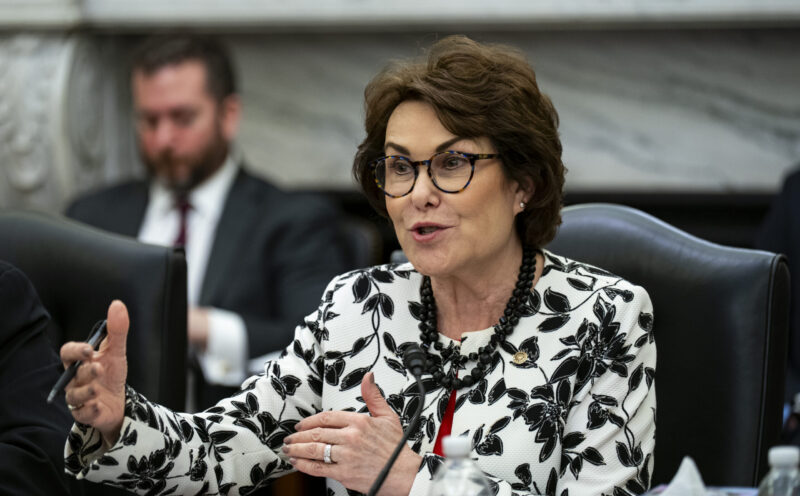
Separating governments from their populaces is commonplace when talking about countries committing grave human rights violations. In their co-sponsorship of legislation introduced last week backing internet freedom in Iran, Sens. Jacky Rosen (D-NV) and Dave McCormick (R-PA), both referred to “the people of Iran.” Last month, Rep. Young Kim (R-CA) introduced legislation supporting “The North Korean people” who “face torture, imprisonment, starvation, and forced labor every single day.”
But Israel, a key U.S. ally, is a parliamentary democracy that holds regular (some would argue too regular) elections. And Moore, a savvy politician with potential White House ambitions, can read the political tea leaves within his party.
A Gallup survey released over the summer found that a majority of Americans — 52% — viewed Israeli Prime Minister Benjamin Netanyahu unfavorably, while just 29% had a positive view of Israel’s longest-serving leader. The July poll reflected Netanyahu’s highest unfavorable numbers in nearly three decades.
But perhaps most telling was that Netanyahu, in the Gallup poll, was viewed favorably by just 9% of Democrats — likely due to the convergence of a number of factors, among them Israel’s prosecution of the war in Gaza and Netanyahu’s close ties with the Trump administration.
To be sure, some of Netanyahu’s current standing with Democrats is a result of his own actions. Ron Dermer, the former strategic affairs minister who served as the Israeli ambassador to Washington during the time the Obama administration was negotiating the Joint Comprehensive Plan of Action, is widely credited with developing Jerusalem’s strategy to focus on building ties with Republicans and evangelicals at the expense of attempting to bolster bipartisan support for the Jewish state.
Similarly, a Pew poll conducted in October found that while 56% of Americans have a favorable view of the Israeli people, 35% of Americans have a favorable view of the Israeli government.
As Democrats look to take back at least one chamber of Congress next year, they are paying close attention to the polls — and hewing campaign messages accordingly. While it may be politically advantageous for Moore and other Democrats with national ambitions to separate the Israeli government from its populace, it could set a dangerous precedent — one that uses semantics to warp reality and drive a deeper wedge between the American public and Israel.
More Stories

chant controversy
Zohran Mamdani says ‘globalize the intifada’ is expression of Palestinian rights
eye on the prize
Virginia lawmaker with history of anti-Israel rhetoric eyes 2026 congressional run

data diaries
New Yale Youth poll finds Gen Z fueling rise in antisemitic views

doha forum dispatch
Hillary Clinton reiterates concerns about anti-Israel ‘propaganda’ targeting American youth

exclusive
New lawsuit accuses Binance of ‘knowingly’ enabling Oct. 7 terror attacks